


England's Landscape Transformed by Unprecedented Dryness
England is currently experiencing severe drought conditions that have fundamentally altered the visual character of its famed countryside. Reports indicate that the dry weather has caused vast expanses of fields to turn a "strange desert-like khaki," replacing the traditional image of a green and pleasant land with stark, yellow-gray vistas.
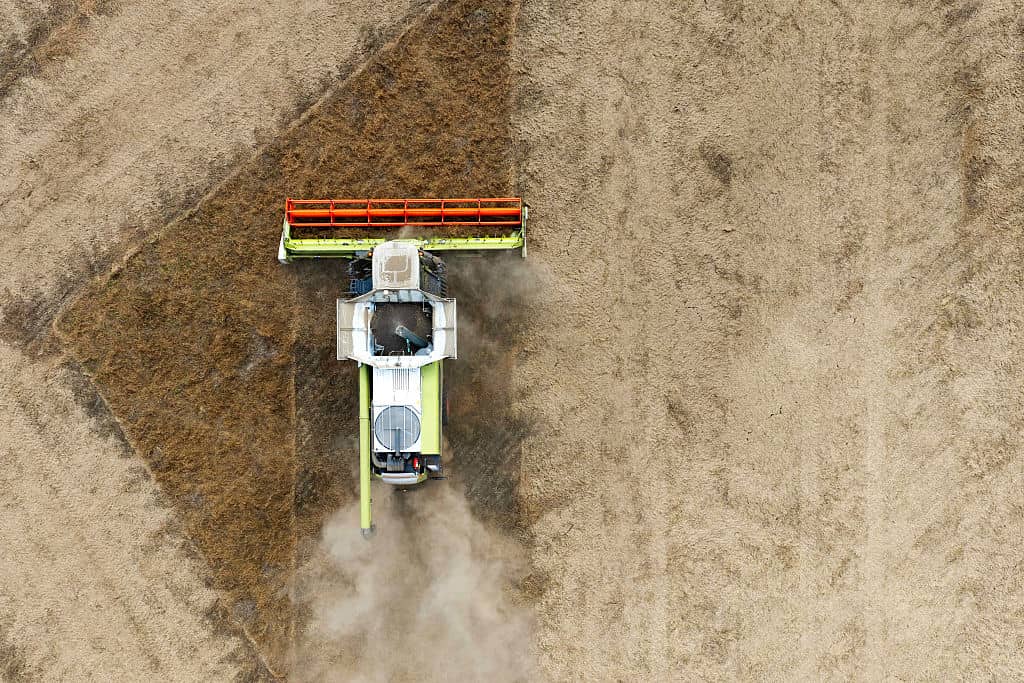
The atmospheric conditions accompanying this drought have been described as intensely dry and hot. The heat is "prickly, dry, [and] searing," while the sky above remains an "endless blue" devoid of clouds. This persistent dryness has had a dramatic effect on water sources across the region. Streams, once flowing, have either dried up completely or are reduced to "sad little trickles between the rocks," a stark visual indicator of the widespread water deficit. In agricultural areas, the parched earth is so dry that dust rises behind vehicles in thick clouds, settling on vegetation like a fine layer of chalk.
Regional Shifts and a New Visual Identity
The transformation of the landscape is particularly striking in areas not typically accustomed to such arid appearances. James Rebanks, writing for UnHerd on August 10, 2026, observed that while regions like Surrey are familiar with a parched-brown cricket pitch aesthetic, and Kent has long been characterized by golden yellow barley and wheat fields in summer, the current conditions affect much of England differently. The severity and extent of the dryness have pushed the visual identity of parts of the country into unfamiliar territory.
Rebanks specifically noted that some areas now strikingly resemble Normandy, a visual shift he described as difficult to adapt to for those accustomed to England's temperate climate and lush scenery. This comparison underscores the profound and widespread nature of the current drought, challenging long-held perceptions of the English landscape and highlighting the unusual intensity of the dry spell.
Farming Communities Grapple with Severe Crop and Livestock Stress
The drought is having immediate and profound effects on agricultural operations and animal welfare across England. The parched conditions are directly impacting crop health and yield, leading to significant challenges for farmers.
Harvests Under Duress: Tumbling Yields and Morale
In Suffolk, the extreme dryness of the soil was evident as "giant dust clouds" were observed rising from yellow-gray combine harvesters working across parched fields. These visual cues are symptomatic of deeper problems within the agricultural sector. The dry weather is severely impacting crops such as barley and wheat, which are crucial staples. Reports indicate that both yields and morale are "tumbling" among farmers, suggesting not only a reduction in harvest output but also a significant emotional and economic toll on those working the land. The lack of moisture in the soil means crops are struggling to grow, leading to smaller harvests and potential financial hardship for farming communities already contending with the unpredictable nature of agriculture.
Animal Welfare Challenges in Searing Heat
Livestock behavior has also changed dramatically in response to the unrelenting heat and lack of moisture. Sheep and cattle are reportedly seeking refuge from the sun by "hugging the shade beneath oak trees." This behavior is a clear indicator of heat stress, with animals attempting to mitigate the effects of the high temperatures. They are also observed "flicking their ears to shift black flies," a common response to insect irritation that can be exacerbated by hot, dry conditions. The pervasive dryness is further highlighted on farm tracks, where dust clouds settle heavily on leaves, creating a thick coating that underscores the extreme aridity of both the soil and the ambient air, posing additional challenges for animal respiration and overall well-being.
Interpreting the Drought: Natural Cycle or Climate Bellwether?
While the physical effects of the severe drought are undeniably visible across England, experts and observers offer varied perspectives on its broader implications, particularly regarding its connection to long-term climate trends.
Expert Caution on Definitive Climate Links
There is a notable caution among experts against definitively linking these specific extreme weather events directly to long-term climate change. The source material emphasizes that extreme weather events, while impactful, do not definitively prove climate change. This nuanced view acknowledges the complexity of climate systems and the difficulty of attributing single events to broader trends. Furthermore, it is stated that some degree of summer droughting is expected as a natural part of the seasonal cycle in England. This perspective suggests that while the current conditions are severe, some level of dryness during the summer months is a recurring, albeit variable, phenomenon.
Varying Perspectives on the Drought's Significance
Despite these expert clarifications and the acknowledgment of natural seasonal variations, the sheer intensity and widespread nature of the current drought have undeniably drawn significant attention to the changing environmental conditions. The dramatic visual transformation of the English countryside and the severe impact on agriculture have prompted discussions about the future resilience of the region. James Rebanks, in his observations, acknowledged that "some people like to catastrophize," suggesting that while the conditions are indeed severe, there are differing lenses through which their cause, permanence, and long-term significance are viewed. This highlights an ongoing public and scientific discourse regarding how such intense events should be interpreted within the broader context of environmental change and natural variability.