

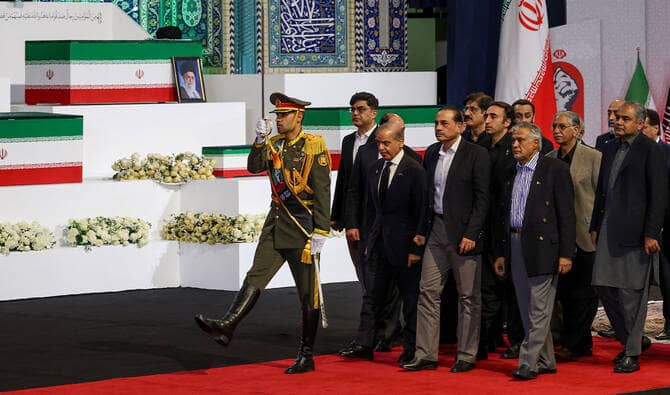

Pakistani Prime Minister Shehbaz Sharif arrived in Tehran on Wednesday morning. He traveled with a group comprising high-ranking officials representing Pakistan. The delegation entered the city to participate in state functions related to the passing of Iran's supreme leader.
Funeral Proceedings and Diplomatic Attendance
The ceremony took place at the Shahid Beheshti Memorial Complex on July 3, 2026. Ayatollah Ali Khamenei was buried during this event in Tehran. The Pakistani Prime Minister stood among other foreign dignitaries present for the occasion.
During the funeral service, Shehbaz Sharif paid tribute to the deceased leader. He offered words of respect and remembrance regarding the life of Ayatollah Ali Khamenei. This action followed established diplomatic protocol between Pakistan and Iran during state funerals.
Casualty Reports from Earlier Strikes
Reports circulated prior to the funeral indicated that Ayatollah Ali Khamenei died in February 2026. The death was attributed by some accounts to strikes launched earlier that month. These military actions were reportedly conducted by forces associated with the United States and Israel.
The timeline of events places the assassination attempt or strike operations in early February. This occurred several months before the official burial rites held in July 2026. The delay between the reported death and the funeral allowed for international travel arrangements, including those made by the Pakistani delegation led by Sharif.
Statements from Iranian Leadership
Iranian officials addressed the gathering at Shahid Beheshti Memorial Complex. They spoke about the significance of Khamenei's leadership role within the Islamic Republic. The ceremony was attended by representatives from various nations, reflecting regional interest in the succession process.
Shehbaz Sharif represented Pakistan specifically during these proceedings. His presence underscored the diplomatic relationship between Islamabad and Tehran at that time. No specific policy shifts were announced on the spot regarding future bilateral relations beyond standard expressions of condolence.
Diplomatic Exchange Details
The delegation from Pakistan included members of the Pakistani government who held high-ranking positions within their respective ministries or security apparatuses. Specific names of all accompanying officials were not detailed in available reports other than Sharif's leadership role.
Security arrangements for the event involved coordination between Iranian and international delegations. The funeral procession moved through Tehran streets with significant police presence to manage crowds and traffic control measures typical for major state events in Iran.
Regional Implications of Leadership Change
The death of Ayatollah Ali Khamenei marked a transition point for Iranian governance structures. Succession protocols under the Islamic Republic's constitution dictate specific procedures following the vacancy left by the Supreme Leader. These mechanisms are designed to ensure continuity in state administration.
International observers noted that Pakistan maintained its standard diplomatic posture throughout the proceedings. The attendance of Prime Minister Shehbaz Sharif was viewed as a continuation of long-standing ties between the two nations despite regional tensions elsewhere.
Timing and Logistics
The funeral date of July 3, 2026, coincided with specific calendar calculations used for scheduling major state events in Iran. Travel logistics required advance planning from Islamabad to Tehran. Commercial flights were utilized by the delegation members who traveled under official diplomatic credentials.
Media coverage focused on the presence of foreign leaders rather than internal Iranian political debates regarding succession. The focus remained on the ceremonial aspects including prayers, eulogies delivered at Shahid Beheshti Memorial Complex, and burial rites conducted according to Islamic tradition.
Contextual Background on Recent Events
The strikes mentioned in connection with Khamenei's death occurred earlier in February 2026. Attribution of these actions came from various intelligence assessments available at the time. The United States and Israel were cited as sources or actors involved in planning such operations.
These events reshaped the geopolitical landscape leading up to July 2026. Regional powers adjusted their strategies based on new leadership dynamics within Tehran. Pakistan's response remained consistent with its foreign policy objectives of maintaining stability in South Asia and Central Asia.
Ceremonial Elements
The funeral included traditional Islamic mourning practices observed by attendees from different countries. Flags were displayed at the memorial site representing nations that sent delegations including Pakistan under Shehbaz Sharif's lead. Religious leaders conducted prayers for the deceased before interment.
Guests received condolences in accordance with diplomatic etiquette established between member states of regional organizations. The atmosphere was solemn as per custom during funerals of supreme religious and political figures within Iran.