

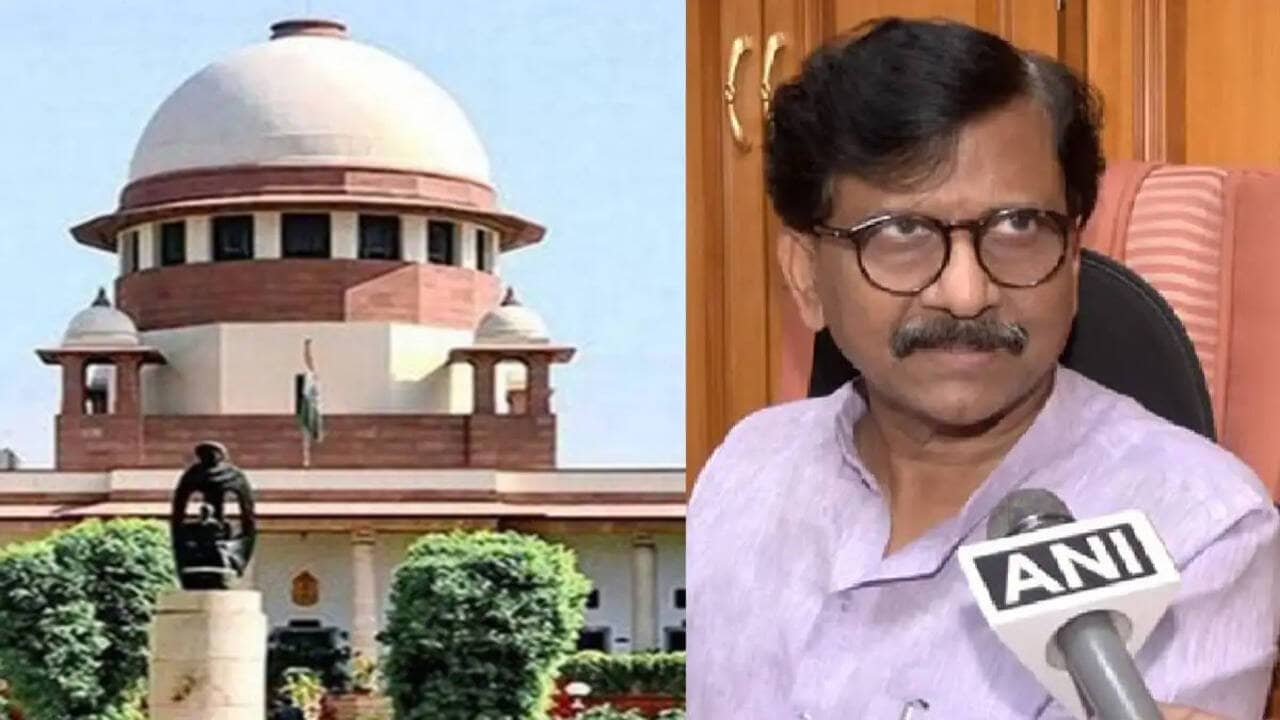


Special Investigation Team Moves Against Individuals Linked to Donation Fraud
A Special Investigation Team (SIT) has arrested several individuals in connection with alleged fraud involving donations for the Ayodhya Ram Temple. The controversy surrounding these financial transactions has intensified, drawing sharp public criticism from political leaders who question the integrity of the ongoing process.
Sanjay Raut, a prominent leader within the Shiv Sena party, has publicly criticized the Bharatiya Janata Party (BJP) regarding this specific issue. His statements have focused on the alleged mismanagement and potential corruption associated with the collection and utilization of funds intended for the temple's construction.
The arrests made by the SIT represent a significant development in the investigation into how donations were handled. While the exact details of the financial irregularities remain under scrutiny, the involvement of multiple individuals suggests that the scope of the alleged fraud extends beyond simple administrative errors or isolated incidents.
Political Accusations and Questions Regarding Judicial Oversight
Raut has directed his criticism not only at the BJP but also at the judicial mechanisms overseeing the probe. He has explicitly questioned the integrity of the Supreme Court's oversight of the investigation into the Ayodhya Ram Temple donations.
According to Raut, there are concerns that the current situation mirrors activities often associated with organized crime syndicates or underworld operations rather than a transparent civic project involving religious heritage sites. By drawing these parallels between the temple scenario and known criminal networks, he aims to highlight what he perceives as systemic failures in accountability.
The Shiv Sena leader suggests that elements within the BJP may be exploiting the Ayodhya temple situation for political gain rather than focusing solely on resolving the alleged financial discrepancies. This assertion adds a layer of political tension to an already sensitive religious and legal matter, framing the investigation as potentially influenced by partisan interests.
Opposing voices or responses from other parties regarding these specific claims were not included in the provided source context; however, Raut's assertions stand as reported allegations within his public commentary. The narrative presented emphasizes the need for transparency and adherence to legal procedures without interference that could compromise the investigation's outcome.
Historical Context of Violence and Calls for Accountability
In articulating his position on the current events, Raut has highlighted the historical violence associated with the construction of the Ayodhya Ram Temple. This reference serves to contextualize the ongoing controversy within a broader history of conflict related to the site.
The mention of past violence underscores the gravity of the situation and suggests that any new allegations or actions taken against individuals must be handled with extreme care to avoid reigniting tensions rooted in historical grievances.
Amidst these developments, there are strong calls for accountability within the ongoing investigation. Raut's remarks have been framed as a demand for strict adherence to the rule of law and an insistence that all parties involved face consequences if found guilty of wrongdoing related to the donation fraud allegations.
The intersection of historical memory with current legal proceedings complicates the political landscape surrounding Ayodhya. The Shiv Sena leadership appears to be leveraging these concerns to challenge the narrative promoted by other political factions, specifically accusing them of using a sacred site for electoral advantage or internal power consolidation.
Implications for the Political Landscape and Public Trust
The allegations of fraud regarding donations intended for one of India's most revered religious sites have significant implications for public trust in both political institutions and judicial bodies. When high-profile figures like Raut question the motives behind an investigation, it can erode confidence among supporters who believe their contributions are being misused.
Raut's specific accusations against the BJP regarding potential exploitation of the situation introduce a new dimension to the long-standing debate over Ayodhya. This dynamic shifts focus from purely religious or legal arguments to questions about political strategy and resource allocation within national parties.
The arrest of individuals by the SIT indicates that authorities are treating these allegations seriously enough to initiate criminal proceedings. However, the interpretation of what constitutes fraud in this context remains a subject of intense debate among various stakeholders involved in the Ayodhya dispute.As reports continue to emerge regarding the specifics of the arrests and the nature of the alleged financial misconduct, observers note that the case could set precedents for how similar issues involving religious institutions are handled by law enforcement agencies across India. The involvement of a Special Investigation Team implies a level of seriousness intended to distinguish this probe from routine administrative audits.
The continued presence of political rhetoric surrounding these events suggests that the resolution of the Ayodhya donation fraud issue will likely remain entangled with broader national politics for some time. Whether the allegations lead to convictions or are dismissed as politically motivated smears remains a question dependent on future legal developments and court rulings related to the SIT's findings.
Sanjay Raut has maintained that his criticism stems from a desire to ensure justice prevails over political maneuvering. He insists that if fraud exists, it must be addressed fully without bias or selective enforcement of laws based on religious affiliations associated with the accused parties involved in the donation collection process.