

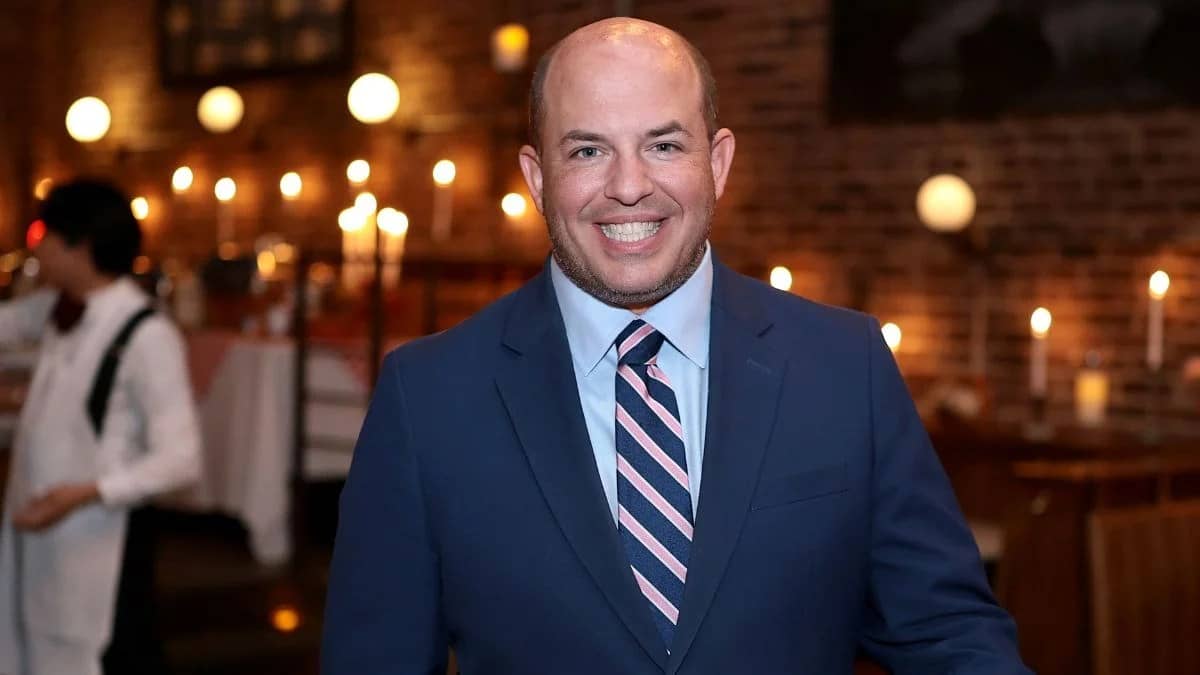

Stelter Characterizes Employee Perspectives on Mergers as Varied
CNN Chief Media Analyst Brian Stelter has publicly addressed reports circulating regarding potential unrest among staff members at the news network. The discussion centers on a pending merger involving Paramount Global, which serves as CNN's parent company alongside CBS.
In comments made available through reporting by TheWrap dated July 9, 2026, Stelter described the situation facing employees as "complex." He utilized this specific terminology to frame the internal atmosphere surrounding the corporate consolidation. The analyst suggested that a single narrative does not accurately reflect the collective sentiment of the workforce.
To illustrate the diversity of opinion within the organization, Stelter provided a hypothetical scenario regarding employee feedback. He stated that if an interviewer were to ask ten different employees about their views on the pending merger, they would likely hear "10 different POVs" or points of view. This statement serves as his primary assertion regarding the fragmentation of staff opinions.
The report highlights Stelter's direct response to external observations concerning employee morale and potential unrest. By labeling the situation complex, he implies that simple explanations for staff behavior may not exist within this specific corporate environment. The source material does not provide a definitive timeline or date beyond the publication timestamp of July 9, 2026.
Stelter's role as chief media analyst positions him to observe and comment on internal dynamics affecting CNN's operations. His assessment suggests that while reports of unrest may exist in broader industry discussions, the reality within CNN involves a spectrum of individual reactions rather than uniform agreement or dissatisfaction among all staff members.
The Specifics of Reported Staff Concerns
Reports from TheWrap indicate that Stelter is responding to specific allegations regarding unrest. The article text notes the headline context as "CNN's Brian Stelter Responds to Reports of Staff Unrest Amid Paramount Merger." This phrasing establishes the existence of prior reporting or rumors that prompted his public comments.
The source explicitly attributes the quote about ten employees having ten different points of view directly to Stelter. No other individuals are quoted in the provided research notes regarding their specific opinions on the merger, nor is there a list of grievances presented by staff members included in the available text. Consequently, the article focuses solely on Stelter's characterization of these concerns.
The pending nature of the deal involving Paramount Global remains a central factual element driving this discussion. The research notes do not specify which regulatory bodies or government agencies have reviewed the merger proposal, nor does it detail specific financial terms associated with the consolidation between CBS and Paramount Global outside of Stelter's general reference to the "pending merger." All details regarding the corporate structure are limited to what is stated in the source context.
Stelter's comments avoid attributing a single cause for any potential unrest. Instead, he frames the issue as one where multiple perspectives coexist within the same workforce. This approach aligns with his description of the situation as complex, suggesting that factors influencing employee sentiment are multifaceted and not easily reduced to a singular explanation.
The publication date provided in the source text is July 9, 2026, at approximately 5:20 PM according to the timestamp associated with the article. This temporal marker places Stelter's comments within a specific reporting window relative to the unfolding events of the merger discussions.
Analysis of Corporate Communication Strategy
The decision by CNN leadership to publicly address employee concerns through an analyst rather than solely through executive statements represents a specific communication choice. By having Brian Stelter, identified as the chief media analyst, deliver these comments, the organization utilizes its internal voice on media matters to discuss operational shifts.
Stelter's assertion that ten employees would offer different points of view functions as both an observation and a defense against generalizations about staff unity or disunity. He suggests that external observers might misinterpret the lack of consensus among workers if they assume all employees share identical feelings regarding corporate strategy changes.
The source text does not contain information regarding any specific union activities, formal grievances filed by employee representatives, or official statements from Paramount Global management responding to Stelter's comments. The narrative remains strictly bounded by what Brian Stelter said and how TheWrap reported those remarks on the specified date.
In summarizing the available facts, the article presents a scenario where corporate leadership acknowledges internal diversity of opinion without validating specific claims of unrest as factually confirmed events beyond dispute. The focus remains on the qualitative description provided by Stelter rather than quantitative data regarding employee surveys or retention rates during this period.