

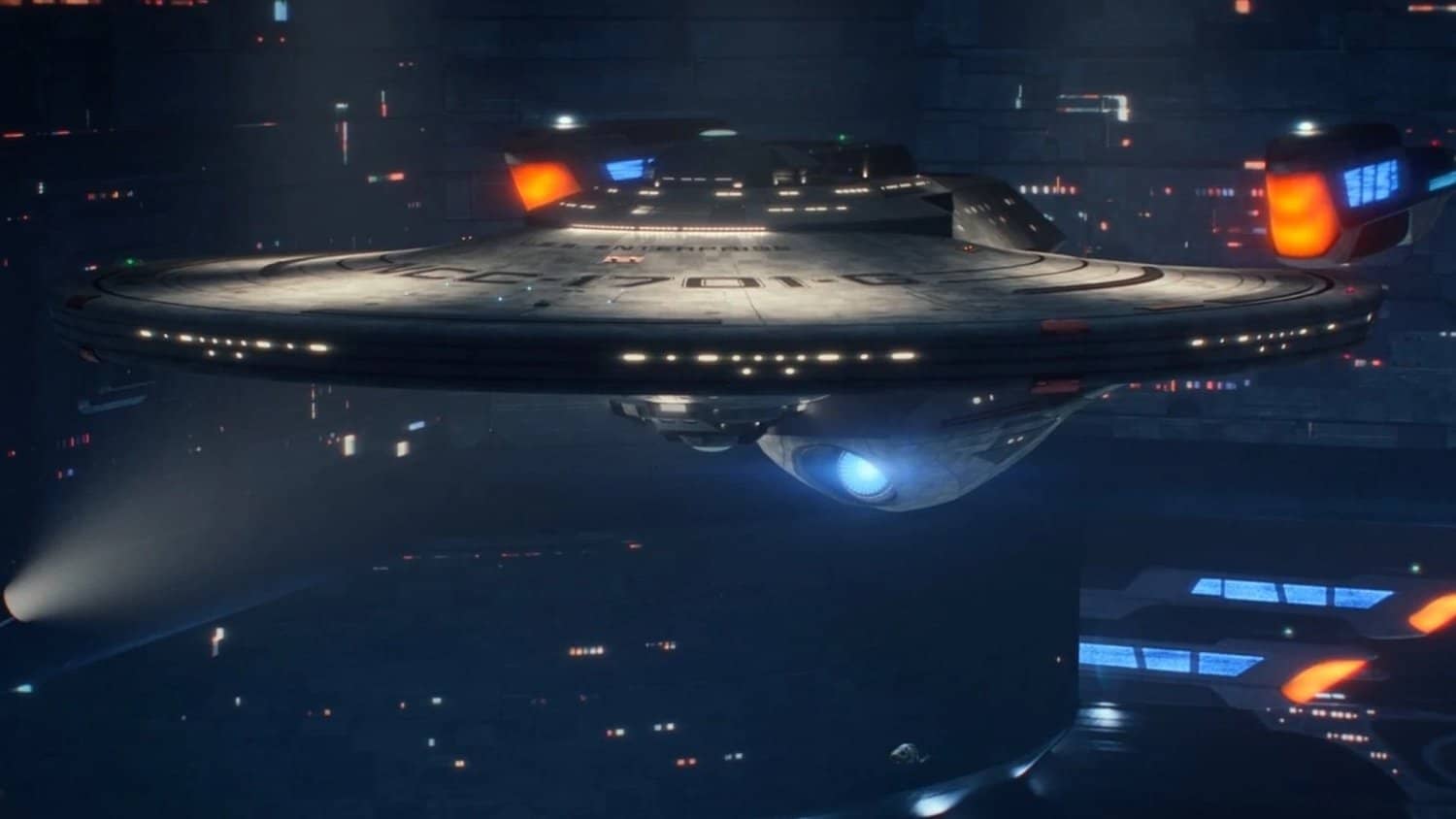

Unveiling a Klingon Crisis for the Enterprise-G
Three years after the conclusion of the third and final season of "Star Trek: Picard," additional information has surfaced regarding a proposed spinoff series titled "Star Trek: Legacy." Terry Matalas, who served as the showrunner for "Picard" Season 3, recently provided new details about the planned narrative structure for the first season of the cancelled project. According to reports from STLV: Trek to Vegas, the world's largest annual Star Trek convention, the series was designed to place the Klingon Empire at the center of its primary conflict, a revelation that offers a glimpse into the unproduced future of the USS Enterprise-G.
Matalas indicated that the storyline intended to utilize one of the franchise's most recognizable alien cultures to explore political tensions inspired by real-world events. Specifically, Matalas pointed to the long-standing history within "Star Trek" of using the Klingons as a reflection of Russia. The showrunner stated that the series aimed to draw parallels between the fictional Klingon Empire and modern real-world tensions involving that country. This approach would have given the proposed series a political angle rooted in contemporary geopolitical issues, moving beyond simple space exploration or direct military engagements.
The narrative plan also included the return of Alexander, the son of the character Worf. His inclusion was cited as a key component of the first season's plot, promising a deeply personal connection to the broader Klingon crisis. Alexander's unique heritage, as the son of a Starfleet officer who embraced Klingon culture, would have offered a nuanced perspective on the unfolding conflict, potentially bridging the divide or highlighting the complexities within the Klingon Empire itself. For viewers who left "Picard" Season 3 hoping for an immediate continuation following Captain Seven of Nine and her crew, the details of Matalas's pitch highlight the scope and thematic ambition of the project that Paramount Global ultimately decided not to pursue.
Echoes of Geopolitics in Starfleet's Future
The proposed use of the Klingons as a stand-in for Russia represents a specific creative direction for the cancelled series, one deeply embedded in "Star Trek" lore. Matalas noted that "Star Trek" has historically used alien cultures to reflect real-world geopolitical dynamics, dating back to the original series' Cold War allegories. The Klingons, with their militaristic society and often adversarial relationship with the Federation, have frequently served as a powerful metaphor for Earth-based superpowers and their ideological clashes. By focusing on the Klingons, the showrunner aimed to address modern tensions involving Russia, suggesting a narrative that would resonate with contemporary global affairs.
This creative choice would have required the Enterprise-G crew to engage with complex political scenarios rather than purely military conflicts. The series would likely have explored diplomacy, espionage, and the internal struggles within the Klingon Empire, mirroring the intricate nature of real-world international relations. The inclusion of Alexander Worf was intended to add personal stakes to the broader political narrative. His relationship to the Klingon Empire through his father, Worf, provides a unique perspective on the tensions described by Matalas, potentially placing him in a pivotal role as an intermediary or a figure caught between two worlds.
The cancellation of "Legacy" means these specific plot points will not appear in the canonical "Star Trek" television timeline. The USS Enterprise-G remains with Seven of Nine and Jack Crusher in the existing continuity, but their immediate future beyond the events of "Picard" Season 3 is no longer defined by Matalas's proposed Klingon crisis. The details shared at STLV offer a glimpse into an alternate development path for the franchise's recent era, one that would have seen Starfleet grappling with a familiar yet newly recontextualized galactic threat.
A New Generation Takes the Helm: Picard's Legacy
The finale of "Star Trek: Picard" established the premise for this potential new series, meticulously setting the stage for a continuation of the Starfleet saga. In the closing episodes, Commander Geordi LaForge formally retired the beloved USS Enterprise-D, a vessel synonymous with Captain Jean-Luc Picard's most iconic adventures. Simultaneously, Jean-Luc Picard discovered that his son, Jack Crusher, had not been assigned to the USS Titan as originally expected, a plot twist that redirected the trajectory of several key characters.
Instead of the Titan, the ship was rechristened the USS Enterprise-G, signifying a new chapter for the iconic starship lineage. Seven of Nine, a character whose journey from former Borg drone to Starfleet officer captivated audiences across "Star Trek: Voyager" and "Picard," assumed the pivotal role of captain on this vessel. Jack Crusher, having recently discovered his true parentage and unique abilities, was listed as part of her crew, positioned as a special counsel. The structural setup of the finale presented a new generation of characters in unexplored territory, inheriting the mantle of exploration and defense from their predecessors. This direct narrative bridge led Matalas to begin pitching "Star Trek: Legacy" as a direct follow-up, capitalizing on the momentum and critical acclaim of "Picard" Season 3.
Paramount's Decision and the Uncharted Future
Paramount Global reviewed the pitch for "Star Trek: Legacy" but ultimately decided not to move forward with the spinoff. This decision left many fans, who had eagerly anticipated the adventures of the Enterprise-G under Captain Seven of Nine, with unanswered questions. The proposed Klingon crisis, the return of Alexander Worf, and the further development of Jack Crusher's role within Starfleet remain unproduced storylines within the "Star Trek" universe.
The cancellation means that while the USS Enterprise-G, with Seven of Nine as its captain and Jack Crusher as part of its command crew, exists in the established continuity, their specific missions and challenges beyond the events of "Picard" Season 3 are currently undefined. Matalas's revelations at the convention provide the first detailed look at how the showrunner intended to navigate the political landscape of the "Star Trek" universe in this unmade series, offering a tantalizing glimpse into a future that might have been. The decision reflects the complex landscape of streaming content development, where even well-received pitches with strong fan backing may not always align with a studio's broader strategic vision for a franchise.