

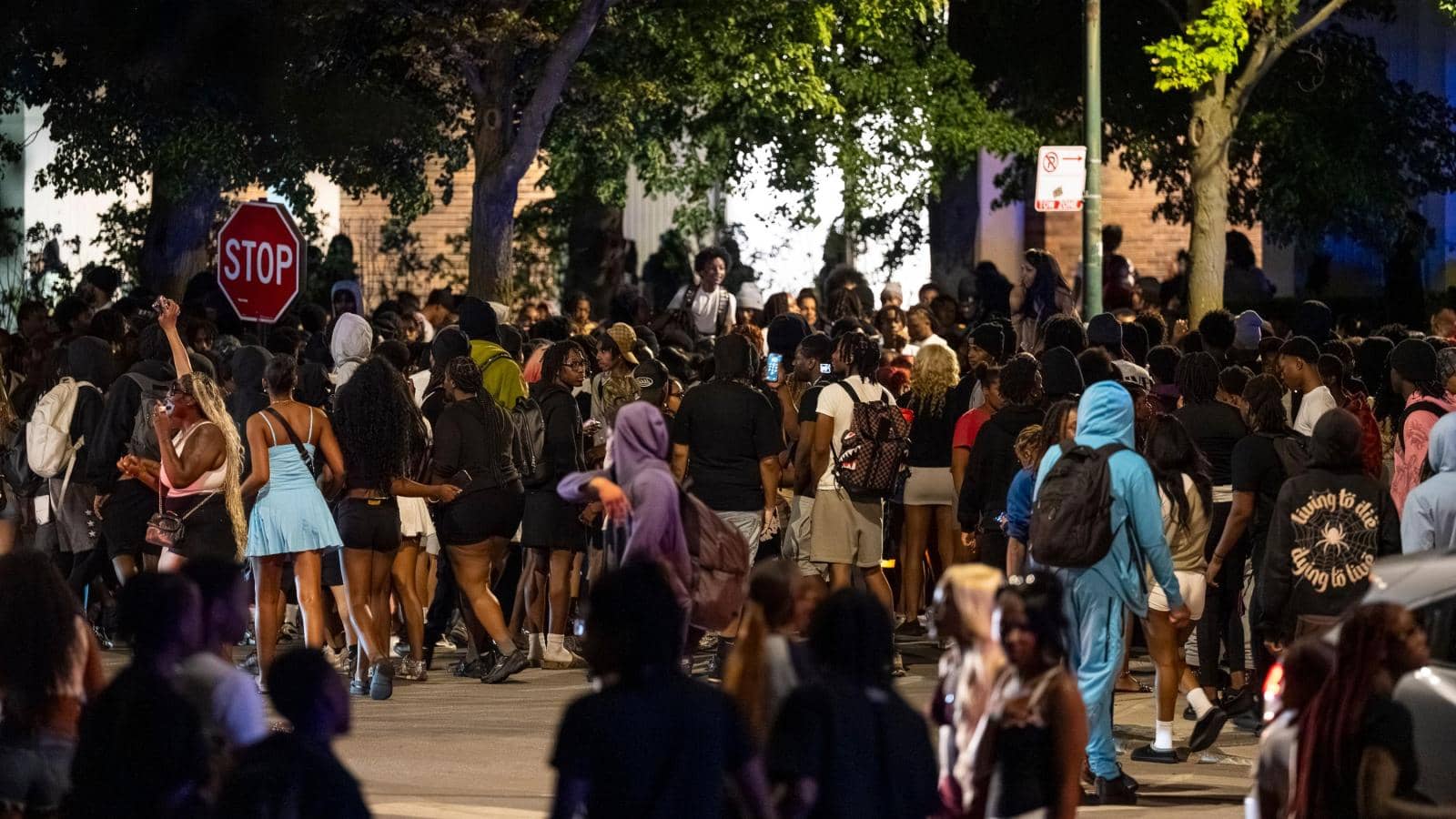

A social media phenomenon initially characterized by light-hearted fun is undergoing a noticeable change in atmosphere. The trend, identified as 'teen takeovers,' began with an informal tone but has progressed toward a more serious direction.
Origins of the Teen Takeover Movement
The concept relies on digital flyers distributed through social media platforms to coordinate large-scale gatherings among young people. These events are frequently organized without traditional institutional oversight, relying instead on peer-to-peer communication networks found online. Damarion Spann, an 18-year-old resident of the area, recalled seeing a specific invitation posted on Instagram that called for a massive gathering near downtown Chicago. The flyer described a location on a beach close to the city center. Upon viewing the post, Spann expressed immediate interest in attending.
Thousands of other young people joined him that night at the designated site on the sand. This scale of attendance demonstrates how quickly information spreads through these digital channels and how effectively they can mobilize large groups for a single event. The initial nature of these gatherings was described as lighthearted. Participants often engaged in casual socializing, treating the events as opportunities to meet peers or simply occupy time together without formal structure.
Evolution Toward Serious Undertones
The tone associated with teen takeovers is shifting away from purely recreational purposes toward more serious contexts. While specific reasons for this shift are not explicitly detailed in the available reports, observers note a distinct change in how these events are perceived and experienced.
The transition suggests that organizers or participants may be addressing different needs than those met by casual beach parties. The gravity of the situations occurring at these gatherings appears to differ from the initial lighthearted descriptions provided early on. According to reports, the evolution is not merely a change in venue but also in the perceived purpose of the meetups. What started as simple social coordination has developed into events where the atmosphere carries weight beyond standard teenage recreation.Reports indicate that while these gatherings are still organized via flyers similar to those seen on Instagram, the content and intent behind them have altered. The visual cues previously associated with fun—bright colors or casual language—are being replaced by messages that suggest a more urgent or somber objective. This change in tone has drawn attention from local news outlets covering crime and public safety issues. Editors at publications such as the Inland Valley Daily Bulletin are monitoring these shifts to understand how digital trends impact community dynamics.
Community Response and Safety Concerns
The shift toward a serious tone raises questions about safety protocols and organizational methods for large youth gatherings. When thousands of individuals converge on a specific location, such as the beach near downtown Chicago mentioned in earlier accounts, logistical challenges inevitably arise.
Local authorities have observed these trends with increasing interest. The ability to mobilize thousands of people through social media flyers without prior coordination creates potential risks that differ from traditional events managed by schools or community centers. Participants like Damarion Spann initially viewed the invitation as a straightforward request for attendance. However, the subsequent development of the event's atmosphere suggests that attendees may not have anticipated the shift in tone occurring during their time there.There are no official statements from law enforcement agencies detailing specific incidents at these events beyond general monitoring of public safety trends. Reports focus on the observable change rather than citing specific crimes or accidents. The narrative surrounding teen takeovers continues to evolve as new gatherings occur and digital flyers circulate across platforms like Instagram. The contrast between the initial lighthearted description provided by organizers and the serious reality observed at these events remains a point of discussion among those tracking youth culture trends.
As more young people engage with these calls for assembly, the definition of what constitutes a teen takeover expands beyond its original parameters. The trend now encompasses a broader range of activities that carry different emotional weights depending on the specific context provided in digital flyers. Observers note that while some events may retain elements of casual fun, others clearly prioritize serious objectives. This duality complicates efforts to categorize these gatherings under a single umbrella term without acknowledging their varied nature.
The ongoing discussion highlights how quickly social media trends can adapt and change based on participant feedback or external pressures. The story behind teen takeovers is still being written as new events unfold across various locations, from beaches near downtown Chicago to other areas where young people gather in response to digital invitations.