


BRICS Elevates Global South in International Systems
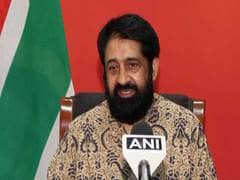
The emergence of the BRICS grouping has positioned the Global South at the center of the global geopolitical, economic, and financial order, according to Anil Sooklal, the South African High Commissioner to India. In an assessment of the bloc’s current influence, Sooklal described the organization as a "powerful formation" that operates not exclusively for developing nations but also serves the wider global community.
Sooklal provided this analysis in an exclusive interview with ANI ahead of the upcoming BRICS Summit scheduled to take place in New Delhi later in the week. His comments highlight a perceived structural change in how international relations and economic frameworks are organized, suggesting that the influence of developing nations has moved from the periphery to the core of global decision-making processes.
Reshaping the Global Order
The South African High Commissioner specifically stated that BRICS is actively "reshaping the world order." This reshaping signifies a profound transformation of the international system, moving away from a unipolar or traditionally dominant power structure towards a more multipolar arrangement where the voices and interests of the Global South hold significant weight. The collective strength of BRICS members—Brazil, Russia, India, China, and South Africa—is seen as a catalyst for this shift, fostering a more balanced and representative global governance framework.
According to Sooklal, the bloc's influence extends beyond its member states, acting as a force for the broader international community. This implies that BRICS initiatives and policies are intended to address global challenges and promote shared prosperity, rather than solely advancing the interests of its constituent nations. The High Commissioner's remarks underscore a vision where the Global South, through BRICS, contributes to solutions that benefit all nations, fostering a more inclusive and equitable international landscape.
Shift From Dominant Power Structures
The High Commissioner emphasized that the current configuration of BRICS represents a significant departure from historical international dynamics. He noted that the grouping marks a shift away from an international system where agendas were largely dominated by powerful countries, a structure in which nations of the Global South remained on the margins.
"For the first time on the global stage, you have a powerful formation of the Global South," Sooklal said. He reiterated that historically, "the Global South was always on the margins." This statement underscores his view that BRICS is not merely an additional diplomatic forum but a fundamental alteration in the distribution of geopolitical power.
Sooklal argued that the bloc has brought countries of the Global South to the fore as a major addition to the global geopolitical environment. He stated that these nations are now able to work collectively for the benefit of the broader international community, rather than acting in isolation or under the direction of previously dominant powers.
Empowering the Global South's Voice
The historical context painted by Sooklal highlights a long-standing imbalance where developing nations often lacked the collective leverage to significantly influence global policy or economic standards. Their participation in international forums was frequently reactive, rather than proactive, with their concerns often relegated to secondary importance. The formation of BRICS, therefore, represents a strategic aggregation of power, enabling these nations to articulate their priorities with a unified and amplified voice.
This newfound collective agency allows BRICS to challenge existing norms and advocate for reforms in international institutions, such as the United Nations, the International Monetary Fund, and the World Bank. By bringing the Global South to the center, BRICS aims to ensure that these institutions better reflect the contemporary global economic and political realities, rather than perpetuating structures established decades ago when the balance of power was vastly different. This move is seen as critical for fostering a more democratic and representative international system.
Implications for Developing Nations
By characterizing BRICS as a force working for developing nations, Sooklal pointed to the bloc’s role in amplifying voices that were previously excluded from central economic and political discussions. The High Commissioner’s remarks suggest that the collective strength of these countries allows them to influence global standards and financial mechanisms more effectively than before.
The description of BRICS as a "powerful formation" implies a level of cohesion and impact that Sooklal believes is necessary to counterbalance the historical dominance of wealthy nations. This perspective aligns with the group’s stated goals of reforming international institutions to better reflect the realities of the 21st-century global economy.
Broader Impact on Global Community
Sooklal's assertion that BRICS serves the "wider global community" suggests a commitment to addressing universal challenges from a perspective informed by the experiences and needs of developing countries. This includes issues such as climate change, poverty alleviation, sustainable development, and global health. By integrating the perspectives of the Global South into these critical discussions, BRICS aims to foster more comprehensive and equitable solutions that resonate with a larger portion of the world's population.
The High Commissioner’s statements imply that the bloc's actions are not merely about power redistribution but also about fostering a more inclusive form of global governance. This approach seeks to ensure that economic growth and geopolitical stability are pursued in a manner that benefits all nations, rather than concentrating advantages within a select few. The emphasis on collective action and shared benefits positions BRICS as a significant player in shaping a more just and sustainable future for the international system.
Preparation for New Delhi Summit
Sooklal’s comments were made in the context of preparations for the BRICS Summit in New Delhi. As the head of South Africa’s diplomatic mission in India, his public statements serve to reinforce the importance of the upcoming gathering and the strategic partnership between Pretoria and New Delhi within the bloc.
The High Commissioner’s focus on the collective power of the Global South suggests that the summit will likely address issues related to economic equity, financial sovereignty, and geopolitical representation. His assessment provides a framework for understanding how member states view their role in reshaping international norms ahead of the high-profile diplomatic event. Discussions at the summit are anticipated to further solidify the bloc's strategic direction and its commitment to fostering a more balanced and inclusive global order, reflecting the aspirations of the Global South.