

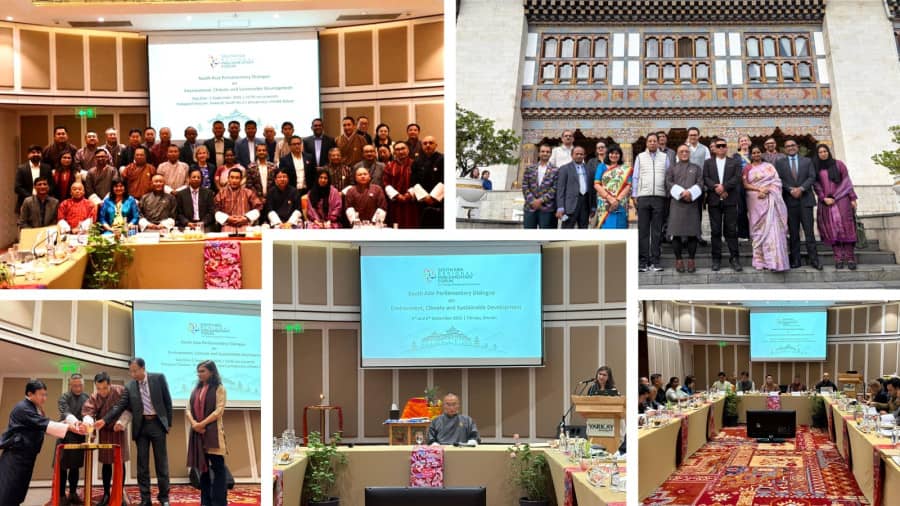

Parliamentarians Demand Concrete Institutional Frameworks
KATHMANDU – Lawmakers from Nepal, India, Sri Lanka, Bhutan, and Bangladesh have issued a joint call for the establishment of concrete institutional measures to strengthen regional cooperation on climate change and energy issues. The parliamentarians emphasized that existing regional agreements must be translated into working mechanisms to address shared environmental challenges effectively.
The group argued that current diplomatic accords lack the operational infrastructure necessary to handle the scale of climate-related risks facing South Asia. By advocating for specific institutional frameworks, the legislators aim to move beyond theoretical cooperation toward actionable policy implementation. The call for these measures underscores a growing consensus among regional political leaders that fragmented approaches are insufficient for addressing transboundary environmental threats.
Proposals for Regional Climate Council and Energy Integration
In response to the identified gaps in current cooperation, parliamentarians have backed several specific proposals designed to enhance regional resilience. Central to these proposals is the establishment of a regional climate council. This body would serve as a dedicated platform for coordinating policy responses and monitoring progress on shared climate goals.
Additionally, the legislators support the development of an integrated electricity grid across South Asia. The proposed grid aims to facilitate energy sharing among member nations, potentially improving energy security and promoting the use of renewable resources. By linking national power systems, countries could balance supply and demand more efficiently, particularly in regions where hydroelectric or solar potential varies seasonally.
The push for these infrastructure projects reflects a strategic effort to intertwine economic and environmental interests. Lawmakers suggest that shared energy infrastructure could serve as a stabilizing factor in regional relations, creating mutual dependencies that encourage continued collaboration on broader geopolitical issues.
Disaster Warning Systems Following Recent Tragedies
The urgency of these proposals has been heightened by recent environmental events in the region. Parliamentarians cited Nepal’s recent glacial-related disaster as a critical catalyst for demanding stronger regional cooperation. The incident highlighted the vulnerability of South Asian nations to climate-induced hazards and the need for immediate, coordinated responses.
As part of their recommendations, lawmakers have called for the creation of a cross-border disaster-warning system. This system would enable real-time data sharing regarding glacial lake outbursts, floods, and other climate-related emergencies. By establishing early warning protocols that transcend national boundaries, nations could provide timely alerts to populations in downstream areas, potentially reducing loss of life and property damage.
The emphasis on disaster preparedness indicates a shift in focus from long-term mitigation strategies to immediate adaptation measures. Lawmakers argue that without a functional warning system, individual nations remain exposed to risks that originate in neighboring territories but impact their own citizens.
Translating Agreements into Actionable Mechanisms
A recurring theme in the lawmakers' statements is the need to bridge the gap between diplomatic agreements and practical implementation. The parliamentarians noted that while South Asian nations have signed various accords regarding climate change, these documents often lack binding operational guidelines.
The call for "concrete institutional measures" suggests a desire for standardized procedures and dedicated funding mechanisms. Lawmakers propose that any new regional body must have the authority to enforce compliance and facilitate resource sharing during crises. This approach aims to prevent the stagnation of current initiatives, which have been criticized for remaining at the level of high-level dialogue without tangible outcomes.
The involvement of legislators from five distinct nations—Nepal, India, Sri Lanka, Bhutan, and Bangladesh—demonstrates a broad-based political will to address these issues. The geographic diversity of the group reflects the varied impacts of climate change across the region, from glacial threats in the Himalayas to coastal vulnerabilities in Bangladesh and Sri Lanka.
Regional Implications of Enhanced Cooperation
The proposed initiatives represent a significant step toward institutionalizing climate cooperation in South Asia. By focusing on specific deliverables such as a climate council, an electricity grid, and a disaster-warning system, lawmakers are attempting to create a structured framework for regional engagement.
The timing of these calls follows the recent glacial-related disaster in Nepal, which has served as a stark reminder of the immediate dangers posed by climate change. The parliamentarians argue that such events necessitate a proactive rather than reactive approach to regional security and environmental management.
As discussions continue among lawmakers from the involved nations, the focus remains on converting political will into functional mechanisms. The success of these proposals could set a precedent for future cooperation on other transboundary issues, establishing a model for regional integration grounded in shared environmental challenges.