

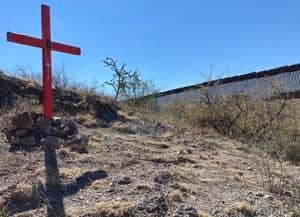

Southern Arizona Sees Grim Peak in Migrant Deaths
The remains of 19 migrants were recovered in Southern Arizona during the month of July, according to data compiled by Humane Borders and local county records. This figure represents the highest monthly count of migrant deaths in the region for a two-year period, underscoring the severe and ongoing humanitarian crisis along the U.S.-Mexico border.
The identification of these individuals underscores the ongoing fatalities associated with migration routes through the treacherous desert terrain of southern Arizona. The recovery of 19 bodies in a single month marks a significant statistical point in recent border mortality tracking, highlighting a grim escalation in the human cost of border crossings.
The Treacherous Landscape of Border Crossings
The specific location of Southern Arizona encompasses vast stretches of unforgiving desert, including areas within Pima County and adjacent regions. These terrains are notorious for their extreme temperatures, particularly during the summer months, and difficult geography, which collectively contribute significantly to the risks faced by migrants traversing the area. Dehydration, heatstroke, and exposure are common causes of death in this harsh environment.
The journey through these remote and often inaccessible areas is fraught with peril. Migrants, often ill-prepared for the extreme conditions, face prolonged exposure to the elements. The recovery of remains in such locations often requires extensive search efforts by local authorities and volunteer groups, sometimes weeks or months after death, making identification challenging and adding to the emotional toll on families.
Tracking the Human Toll: Data Collection and Advocacy
Humane Borders' Documentation Efforts
Humane Borders, an organization dedicated to tracking migrant deaths along the U.S.-Mexico border, provided the data confirming July's elevated count. The organization plays a central role in documenting and memorializing those who have died while attempting to cross the border. Their work involves not only collecting statistical data but also the arduous task of recovering remains from remote areas, often collaborating with county sheriffs and other agencies to verify identities and notify next of kin.
Through their meticulous record-keeping, Humane Borders aims to ensure that each death is recorded and acknowledged. This vital work provides families with crucial information about their loved ones and informs public discourse on the pressing issues of border safety and migrant rights. The organization's data indicates that July’s total is notably high compared to previous months in recent years, reflecting the fluctuating dynamics of migration and the persistent dangers.
Local Records Inform Broader Trends
The confirmation of the 19 deaths relies on information drawn from both Humane Borders and official county records. County data serves as a primary source for identifying when and where remains were discovered by law enforcement or search teams. These local records, often detailing the initial discovery and circumstances, are then aggregated with broader tracking efforts to provide a comprehensive view of mortality trends across the region.
This collaborative approach between local authorities and humanitarian organizations is essential for accurate data collection. It allows for a more complete picture of the scale of migrant deaths, helping to identify patterns, high-risk areas, and periods of increased danger, such as the recent July surge, which can then inform targeted prevention and rescue efforts.
A Two-Year High in Fatalities
The current count of 19 deaths places July’s total at the highest level seen in Southern Arizona over a two-year period. This significant increase highlights a critical moment in the ongoing humanitarian crisis at the border. Prior to this period, monthly counts in Southern Arizona had varied, with some months recording significantly lower numbers of recoveries, while others saw spikes, demonstrating the unpredictable nature of these tragedies.
Data from previous years consistently shows that migrant mortality rates can fluctuate based on a variety of complex factors. These include shifts in enforcement strategies by border agencies, which can push migrants into more remote and dangerous routes; seasonal weather conditions, with extreme summer heat and winter cold posing severe threats; and the specific migration routes chosen by individuals, often influenced by smuggler guidance or perceived vulnerabilities in border security.
The two-year timeframe referenced in the data provides a crucial baseline for comparing current trends against recent history, revealing the cyclical and often escalating nature of these tragedies. Humane Borders continues to monitor these figures closely, using them as a powerful tool to advocate for more humane border policies and increased resources for search and rescue operations, aiming to prevent future deaths and alleviate suffering.