

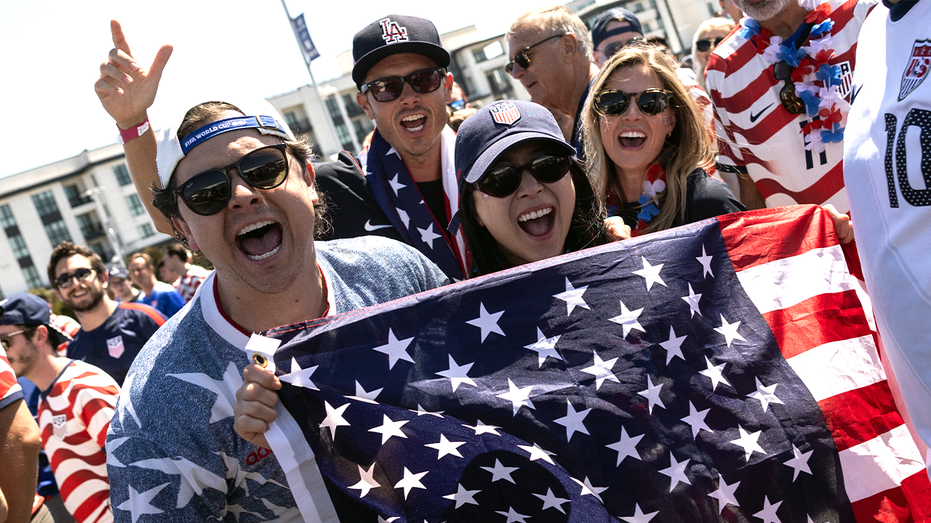

Defining Sports As A National Unifying Force
An opinion published by Fox News characterizes athletics not merely as entertainment but as a foundational element of American identity. The article asserts that sports function as one of America's greatest traditions within the national consciousness. This perspective suggests that athletic events transcend simple competition to become significant cultural touchstones for the broader population.
The publication describes these sporting endeavors as a powerful force capable of uniting the nation across various divides. According to the text, this unifying power is intrinsic to how sports are perceived and experienced by citizens throughout the country. The argument posits that when Americans gather to watch or participate in major events, they engage with a shared heritage rather than just isolated competitions.
The source material indicates that this sentiment of unity has deep roots in historical narratives surrounding professional athletics. Specific instances are highlighted as evidence of how sports have historically brought people together during critical moments in the nation's history. These examples serve to validate the claim that athletic events can foster a sense of collective purpose and shared values among diverse groups.
Proponents of this viewpoint argue that the spirit found on the field translates directly into societal cohesion. The opinion piece suggests that the dedication shown by athletes mirrors the resilience required in other aspects of national life. This connection between athletic performance and civic virtue is presented as a recurring theme throughout American history, reinforcing the idea that sports play an active role in shaping public sentiment.
Historical Milestones Showcasing Patriotism And Unity
The article cites Jackie Robinson breaking baseball's color barrier as a primary example of how sports have showcased patriotism and unity. This event is presented not just as a change in team rosters but as a pivotal moment where the nation confronted issues of race through the medium of professional athletics.
According to the source, this specific instance illustrates the capacity of sports to address deep-seated social challenges while maintaining a focus on national values. The breaking of racial barriers within Major League Baseball is framed as an act that strengthened rather than divided the country's fabric during a turbulent era.
The opinion further references Pat Tillman enlisting after 9/11 as another critical example demonstrating unity through sports figures' actions. Following his retirement from professional football, Mr. Tillman chose to serve in the military immediately following terrorist attacks on American soil.
This transition from athlete to soldier is described by the source as a powerful display of patriotism that resonated with millions across political and social spectrums. The article suggests that Mr. Tillman's decision exemplifies how individuals associated with sports can embody national ideals when called upon in times of crisis.
These two cases are utilized to support the broader thesis that American sports showcase patriotism and unity at their finest moments. By selecting these specific historical figures, the author aims to demonstrate a consistent pattern where athletic careers intersected with significant patriotic actions or social progressions.
The Intersection Of Athletic Identity And Civic Duty
Analysis of these examples reveals how athletes are often viewed as public servants who reflect societal values back to their communities. When figures like Mr. Robinson and Mr. Tillman acted, they did so within the framework of sports but with consequences extending far beyond stadium walls.
The source notes that such actions create lasting legacies within American culture. The memory of these events continues to inform discussions about what it means to be an American citizen today. This enduring impact suggests that the influence of sports extends well past the conclusion of any single season or game.
Furthermore, the opinion piece implies that modern audiences still draw inspiration from these historical precedents. Contemporary viewers often look for similar displays of unity and patriotism in current sporting events, seeking validation of their own national identity through athletic performance.
The Enduring Appeal Of Shared Sporting Experiences
Regardless of the specific sport or era, the core argument remains that shared experiences during games foster a sense of community. Fans gathering to watch live broadcasts or attend in-person events participate in rituals that have been repeated for generations.
The article suggests that this communal aspect is essential to maintaining national unity over time. Even as demographics shift and new technologies change how people consume content, the fundamental desire to experience sports collectively persists among Americans.
Critics might argue that professional leagues are commercial enterprises rather than purely civic institutions. However, the opinion piece maintains that the unifying power of sports exists independently from financial motivations or corporate ownership structures.
The source emphasizes that emotional connections formed during games create bonds between strangers who share a common interest in their teams' success. These interpersonal relationships contribute to broader social networks and community building efforts throughout various regions.
Ultimately, the piece concludes by reinforcing its central thesis: sports remain one of America's greatest traditions because they provide a consistent platform for expressing unity across generations. The historical examples provided serve as proof that this tradition has stood the test of time while continuing to evolve alongside changing social conditions.