


Historical Shift in Pitching Objectives
The fundamental objective for starting pitchers has undergone a measurable and profound change in recent baseball history. For generations, the traditional goal for a starting pitcher was to serve as the team's workhorse, pitching as deep into games as possible. The ultimate aim was often to finish the game on the mound, securing a complete game. This approach prioritized exceptional endurance, consistent command, and the ability to pace oneself over multiple innings, often stretching to the ninth.
However, current strategy emphasizes a starkly different approach, reflecting a significant tactical evolution within the sport. The mission for pitchers who start games is now to throw with maximum effort and velocity from the very first pitch, generating momentum and dominating hitters early in the contest. This shift in tactical priority means that modern starters are intentionally designed to leave the game sooner than their predecessors did, often after just five or six innings. Consequently, these high-intensity outings demand more recovery time between appearances compared to pitchers in previous eras who completed more innings with a potentially lower average velocity per pitch.
This operational change has not only become common but has firmly established itself as the standard practice within professional baseball. The overall workload for starting pitchers has significantly decreased across the league, a trend that has become the new norm. Observers note that this decrease in workload is now so prevalent and deeply ingrained in team strategies that it often goes unnoticed or is simply accepted as the modern reality by the general public, despite its dramatic departure from historical expectations.
The Evolution of the Starter's Role
The traditional 'ace' was defined by their ability to consistently navigate lineups multiple times, conserving energy early to unleash their best stuff in crucial late-game situations. This required a diverse pitch repertoire and a deep understanding of how to manage a game's flow. Today's starter, by contrast, is often tasked with an all-out sprint from the outset. The focus is on overwhelming hitters with premium velocity and sharp breaking pitches for a limited number of innings, effectively acting as a high-leverage reliever for the first half of the game. This strategic pivot has reshaped roster construction and bullpen management, as teams now rely heavily on a succession of relievers to cover the later innings.
July Statistics Mark Historic Lows
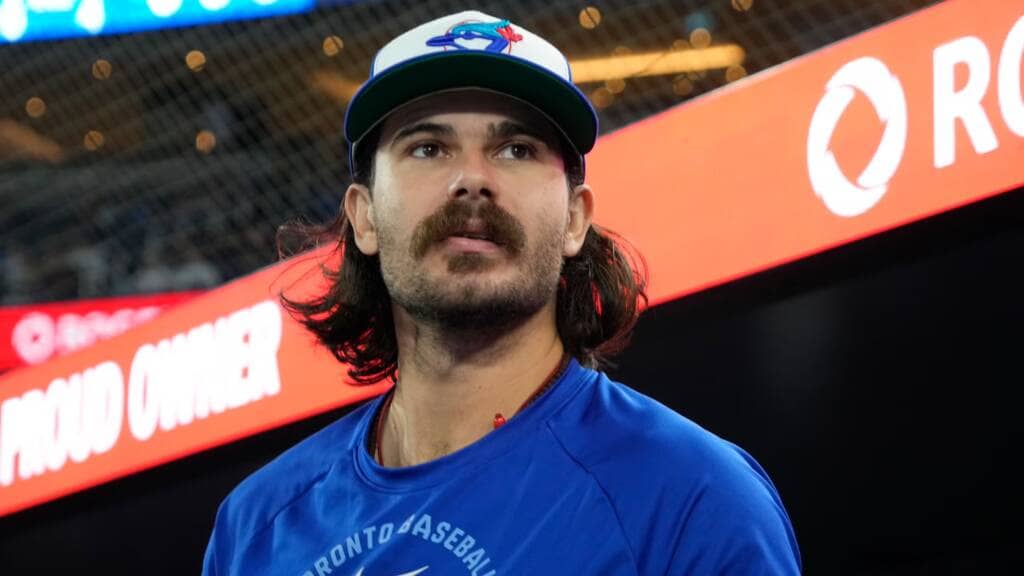
Data from July of 2026 provides compelling statistical evidence of this reduced workload and the dramatic shift in pitching philosophy. During that month, the number of complete games recorded by starting pitchers reached an all-time low of just two across all of Major League Baseball. These two rare complete game performances were achieved by Dylan Cease, who pitches for the Toronto Blue Jays, and Yoshinobu Yamamoto, a standout for the Los Angeles Dodgers. Their ability to finish a game stands in stark contrast to the prevailing trend of early exits, making their achievements particularly notable in the modern era.
The rarity of this statistic is further highlighted by historical frequency. This occurrence represents only the fourth time in the history of professional baseball that there were so few complete games recorded in a single calendar month. What makes this even more significant is the timeline: three of these four instances occurred in the last six months of the baseball season, indicating a clear and recent acceleration in the trend toward shorter starting pitcher outings. This pattern suggests that the decline in complete games is not merely a statistical anomaly but a rapidly solidifying strategic shift.
Further statistical data from July 2026 underscores the profound reduction in innings pitched by starters. During the month, starting pitchers averaged just 5.03 innings pitched per start. This figure marks the lowest monthly average ever recorded for this critical metric, falling significantly short of what was once considered a 'quality start' (typically six innings or more). The combination of an unprecedentedly low number of complete games and the lowest average innings per start ever recorded illustrates the undeniable extent of the change in pitcher usage and expectations within the sport.
Strategic Implications and Industry Recognition
The shift toward shorter, more intense outings is directly linked to a desire to maximize pitch velocity and effectiveness early in games. Modern analytics and coaching philosophies encourage pitchers to unleash their highest-octane pitches from the first batter, rather than holding back for later innings. This approach aims to prevent runs early and establish dominance, but it comes at the cost of inning volume.
This tactical evolution has not gone unnoticed by industry professionals and observers. According to reporting by Tom Verducci for @SInow, starting pitchers are now bringing what was traditionally considered 'closers' stuff' to their starting roles. This means they are consistently throwing pitches with the kind of high velocity and sharp movement typically reserved for relief pitchers who are expected to pitch only one or two innings at maximum effort. The expectation of a starter pacing themselves through seven or eight innings has largely given way to a demand for immediate, overwhelming force.
The professional baseball community has actively commented on this transformation. A tweet from the New York BBWAA (Baseball Writers' Association of America) on August 10, 2026, explicitly highlighted the striking contrast between modern starting pitchers and traditional closers. The association noted that starters are now routinely utilizing high-velocity pitches and a maximum-effort approach that was once almost exclusively associated with high-leverage relief roles. This recognition from respected baseball writers underscores the dramatic redefinition of the starting pitcher's craft.
Impact on Pitcher Longevity and Team Strategy
The data strongly suggests that the practical longevity of starting pitchers, both in terms of career length and sustained high-level performance, is undergoing a significant re-evaluation. The requirement for more rest days between starts is a direct and necessary result of the higher intensity and maximum effort thrown during each appearance. This increased recovery time impacts team rotations, often necessitating larger pitching staffs and more frequent bullpen usage.
As the norm shifts decisively toward shorter, more intense outings, the traditional model of a starting pitcher consistently pitching deep into games has become an increasingly rare sight, almost an anomaly. This systemic change has culminated in the historic lows recorded in July 2026, serving as a powerful statistical benchmark for the ongoing transformation of pitching in professional baseball. The focus has moved from endurance and innings-eating to maximizing raw stuff and velocity for a concentrated burst, fundamentally altering the role of the starting pitcher.