

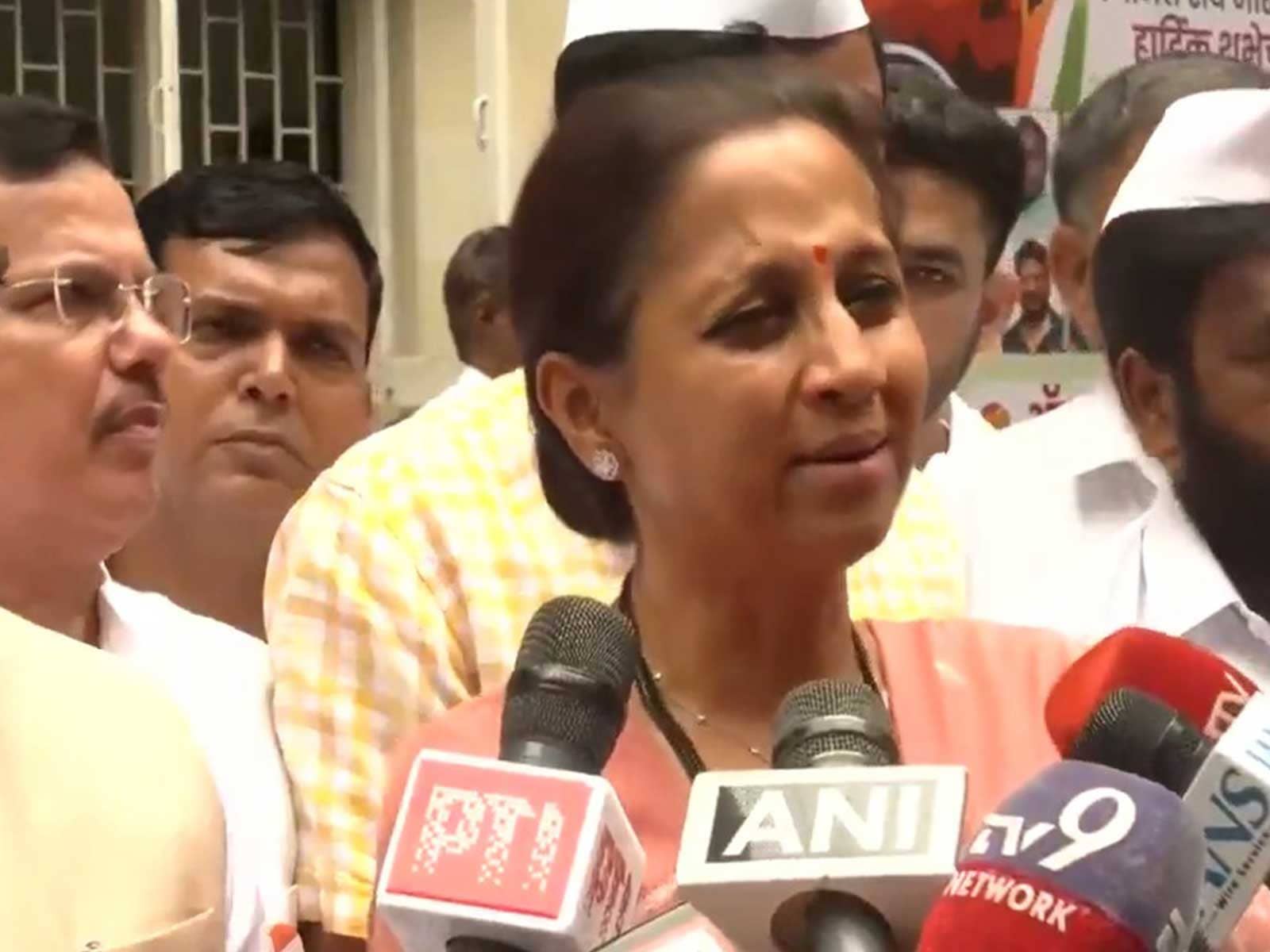

Sule Clarifies Opposition Stance on Legislative Record
Mumbai, Maharashtra [India], August 15 (ANI): Following an appeal by Prime Minister Narendra Modi urging all political parties to support women's reservation in state assemblies and the Lok Sabha, NCP (Sharadchandra Pawar) MP Supriya Sule issued a statement clarifying the historical voting record of the opposition. Her remarks aimed to provide a definitive account of past legislative actions concerning gender representation, particularly in light of recent political calls for unity on the matter.
Sule stated unequivocally that the opposition had already voted in favor of the Women's Reservation Bill in 2023. She emphasized that this collective support from various opposition parties was not merely symbolic but was instrumental in the bill's successful passage through both houses of Parliament during that year. The clarification came as part of a broader political discourse regarding the commitment of different political factions to enhancing gender representation in Indian legislative bodies, seeking to underscore the established bipartisan consensus on the issue.
"The Women's Reservation Bill was passed in 2023," Sule said, reiterating the timeline of this significant legislative achievement. She continued, "We have already passed it: With one voice, one vote, to ensure women get their rightful place in the parliament and state legislatures." Her powerful comments were specifically directed at countering any emerging narratives that might suggest a lack of prior consensus or lukewarm support among opposition parties regarding this crucial measure, asserting that the necessary political will had already been demonstrated and acted upon.
Prime Minister's Call for Unified Support
The remarks by Supriya Sule directly followed a public appeal made by Prime Minister Narendra Modi. In his address, the Prime Minister called upon all political parties to actively back the implementation of women's reservation across legislative bodies. Modi's statement highlighted the perceived importance of inclusive governance and underscored the need for unified political action to further advance the cause of women in public office, suggesting a current imperative for cross-party cooperation on this issue.
In response to this significant call from the nation's leader, Sule promptly pointed to the established legislative history of the bill. She noted that the support from opposition parties for the Women's Reservation Bill was not merely rhetorical or a matter of passive agreement, but was concretely demonstrated through their affirmative voting behavior in Parliament. According to her account, the opposition's decisive votes were a critical and undeniable component of the bill's successful enactment in 2023, indicating that the requested support had already been provided.
The Nationalist Congress Party (Sharadchandra Pawar) MP framed the past legislative action as compelling evidence of existing and demonstrated political will. By referencing the "one voice, one vote" sentiment that characterized the bill's passage, Sule sought to firmly establish that the opposition had already fulfilled the requirement of support that Prime Minister Modi was currently requesting. This interpretation positions the 2023 parliamentary events not as a historical footnote, but as a robust precedent for current political cooperation and commitment on gender issues, challenging any implication that such support was still pending.
The 2023 Legislative Milestone for Women's Representation
The Women's Reservation Bill, officially known as the Constitution (One Hundred and Sixth Amendment) Bill, marked a pivotal moment in India's legislative history. This landmark legislation was successfully passed by both Houses of Parliament in 2023, a process that required meticulous deliberation and broad consensus. Its enactment signified a major step towards addressing long-standing disparities in gender representation within the country's political framework, aiming to reserve one-third of seats for women in the Lok Sabha and state legislative assemblies.
Supriya Sule confirmed that the opposition voting in favor of the bill was a decisive factor, underscoring the bipartisan effort behind its success. She asserted that the robust, cross-party support demonstrated during the 2023 parliamentary sessions validated the claim that political parties across the ideological spectrum were indeed aligned on the fundamental issue of women's representation at that critical juncture. This collective endorsement ensured the bill garnered the necessary majority, transcending typical political divisions.
The MP from Maharashtra strategically used this historical fact to directly address and inform current political debates surrounding women's reservation. By citing the specific year of 2023 and emphasizing the unanimous nature of the support described, Sule provided a factual and irrefutable counterpoint to any suggestions or implications that the opposition was hesitant, uncommitted, or actively opposed to the reservation policy in recent times. Her statement reinforced the narrative that the groundwork for women's political empowerment had already been laid with significant cross-party backing.
Affirming Bipartisan Commitment to Gender Equity
Supriya Sule's clarification serves not only as a historical record but also as a significant intervention in the ongoing political discourse surrounding gender equity in India. By highlighting the "one voice, one vote" consensus in 2023, she underscored that the commitment to women's rightful place in legislative bodies is a shared national objective, previously demonstrated through concrete legislative action rather than just aspirational statements. This perspective aims to solidify the foundation of bipartisan support for women's reservation, ensuring that future discussions build upon this established unity.
The NCP (Sharadchandra Pawar) leader's emphasis on the opposition's role in the bill's passage also reinforces the idea that critical social reforms can transcend partisan divides when there is a genuine will to address systemic issues. Her statement implies a call for continuity in this collaborative spirit, suggesting that the focus should now shift from debating the principle of women's reservation to its effective implementation and the subsequent empowerment of women in politics. This strategic framing seeks to prevent the issue from becoming a point of political contention, instead positioning it as a matter of collective national pride and progress.
The passage of the Constitution (One Hundred and Sixth Amendment) Bill in 2023, with the broad support it received, stands as a testament to the collective resolve of India's political establishment. Sule's comments remind stakeholders and the public alike that the path to greater gender representation has already seen significant strides, propelled by the very parties now being urged to support it. This historical context is crucial for understanding the current dynamics of political appeals and responses, as it frames the present dialogue within a continuum of past legislative achievements and ongoing national goals for inclusive governance.