


Background: The Announcement of Departure and Political Context
The landscape of British politics has shifted dramatically in recent weeks following a series of unverified reports originating from U.S. President Donald Trump on the social media platform Truth Social. These initial claims suggested that Keir Starmer was stepping down as the United Kingdom's Prime Minister before official confirmation arrived from major British news outlets. The announcement precipitated an immediate reaction within the Labour Party, which reportedly moved to designate Andy Burnham, a former mayor of Manchester who had secured victory in a recent byelection, as his successor. This transition is described by critics and observers alike as bypassing the traditional mechanisms of a general election or a broad internal party contest. Instead, the succession process mirrors events from other nations where leadership changes occur without full democratic mandates, such as the hypothetical comparison drawn to Mark Carney in Canada.
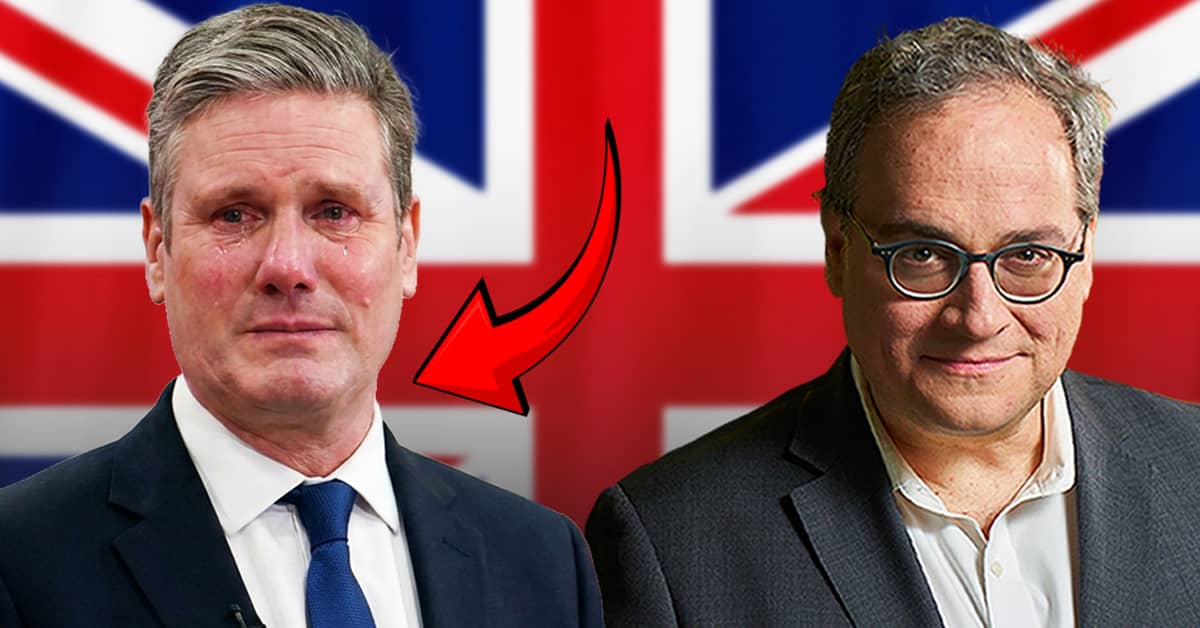
Keir Starmer's tenure is framed by this abrupt conclusion after approximately two years in office. During this brief period, polling data cited by critics indicates that he achieved approval ratings lower than any Prime Minister recorded in British history. Ezra Levant, a commentator with personal stakes in the matter due to his own legal battles involving UK entry bans, provided an extensive breakdown of these alleged failures on Monday's episode of The Ezra Levant Show. He asserted that while ten reasons were presented for the nation's decline, he could have expanded the list significantly.
The context surrounding Starmer's departure includes significant friction regarding freedom of speech and press access. More than a month prior to his reported exit, Starmer personally announced bans on approximately fourteen individuals entering the United Kingdom. This group included Ezra Levant and associates linked to Tommy Robinson. The ban was reportedly issued due to their association with controversial figures or content deemed unacceptable by the administration. Currently, Levant is engaged in legal proceedings fighting this entry restriction through LetUsReport.com, a detail that underscores the contentious nature of the government's approach to immigration and free expression during Starmer's leadership.
What Happened: Alleged Military and Economic Deterioration
Critics argue that the most tangible evidence of harm to national progress lies in the degradation of the Royal Navy. The research notes highlight a stark contrast between historical standards and current realities under Starmer's watch. Historically, the Royal Navy was required by law to maintain a size larger than the combined fleets of the next two largest navies globally, cementing its status as the most powerful maritime force in the world. However, reports indicate that this strategic imperative has been abandoned or severely compromised.
According to available information regarding the state of the fleet at the time of Starmer's departure, a significant portion of naval assets are currently docked for extended refitting periods or have broken down entirely. This situation is presented as a direct result of alleged mismanagement and underfunding during his administration. The implication drawn by analysts is that the UK has lost its global maritime dominance in just two years, shifting from a position of unrivaled strength to one where critical defense infrastructure requires constant repair rather than active deployment.
Economic indicators are also cited as evidence of decline. While specific GDP figures were not detailed in the immediate reports, the narrative focuses on the perception that Starmer's policies accelerated economic stagnation. The argument posits that his tenure saw a rapid erosion of public trust and institutional stability. This loss of confidence is attributed to a combination of austerity measures allegedly implemented too quickly, regulatory overreach, and an inability to secure necessary international partnerships for defense spending.
The political fallout extends beyond the military and economy into the realm of civil liberties. The entry bans on media figures like Ezra Levant are characterized by critics as part of a broader strategy that stifled dissent and limited press freedom within the UK. By restricting access based on association rather than specific criminal acts, the administration allegedly set a precedent that could be abused to silence opposition voices. This approach is viewed as damaging to democratic norms, creating an environment where journalists and activists feel compelled to self-censor or flee the jurisdiction entirely.
Key Details from Research: The Mechanism of Decline
The research notes compiled by Rebel News staff on June 23, 2026, provide a structured list of ten alleged actions contributing to this perceived decline. Although the full text of these specific points is not enumerated in detail here, the sources indicate that they cover a wide range of policy decisions and administrative choices made during Starmer's short time in office.
One key area of contention involves the handling of by-elections and local governance. The rapid ascent of Andy Burnham as successor without a general election is scrutinized for its implications on democratic representation. Critics argue that this 'anointing' process undermines the will of the electorate, who did not vote specifically to replace Starmer with Burnham in a national context.
Another significant detail concerns the interaction between UK policy and international relations, particularly involving President Trump's role in breaking the news of Starmer's exit. This suggests that foreign leaders may have been more aware than domestic media outlets regarding internal British political shifts, raising questions about information security and diplomatic channels during this period.
The legal battles surrounding entry bans serve as a focal point for discussions on human rights within the UK borders. The fact that Levant is fighting his ban in court highlights the procedural mechanisms available to challenge government overreach. However, critics suggest that these challenges are often met with bureaucratic delays or hostile rhetoric from officials, further eroding confidence in the rule of law.
Ultimately, the narrative constructed around Starmer's departure paints a picture of an administration that failed to address long-standing structural issues within the United Kingdom. From the dismantling of naval supremacy to restrictions on press freedom, each alleged action is viewed as a step away from traditional British values and strategic interests. The combination of these factors has resulted in what critics describe as one of the lowest approval ratings ever recorded for a Prime Minister.
The legacy left by this administration, according to those who have analyzed the situation closely, involves a nation that appears weaker militarily, economically less stable, and politically more divided than when Starmer took office. The transition to Burnham represents not just a change in leadership but potentially a fundamental shift in how power is exercised within Westminster.