

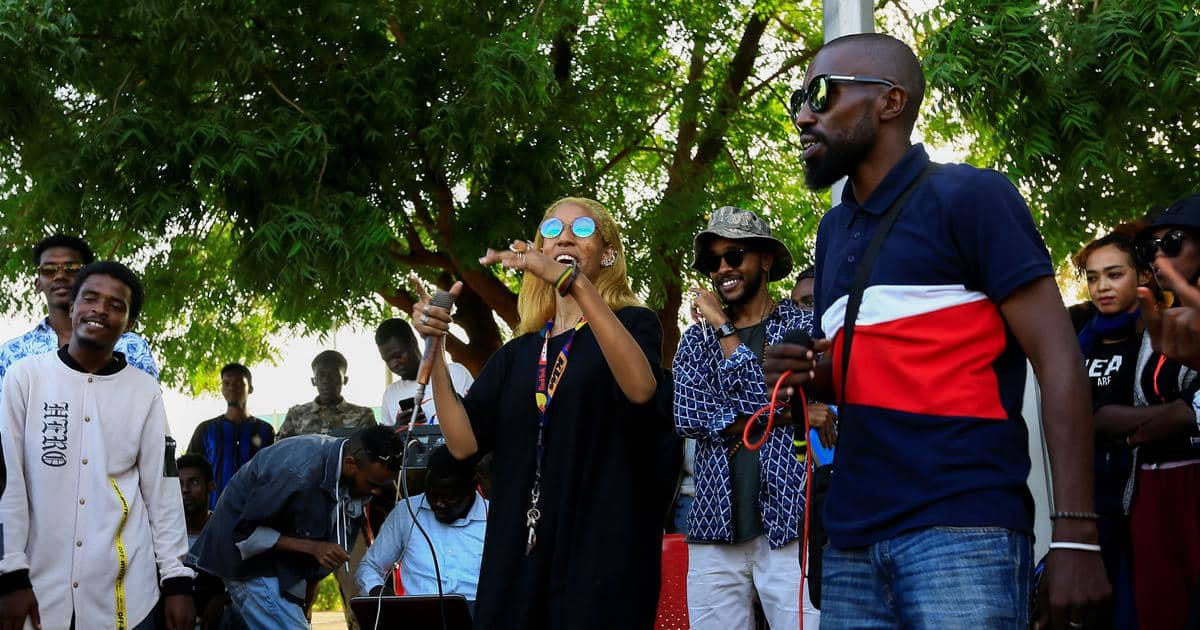

Sonic Mobilization in Khartoum
During the political upheaval that defined Sudan in 2019, music functioned as more than mere cultural expression. According to reporting by Scroll.in, musical performances and compositions played a significant role in fostering anti-government sentiment among the populace. This auditory mobilization was not isolated to individual acts of protest but served as a structural component of the broader movement that sought to end the long-standing rule of President Omar al-Bashir.
The 2019 revolution marked a pivotal moment in Sudanese history, characterized by widespread civilian demonstrations demanding democratic transition. Within this context, the rhythm and lyrics of songs became essential vehicles for political communication. These musical elements helped articulate grievances against the state, such as economic hardship, political repression, and social injustice, unifying diverse groups under a common narrative of resistance. The pervasive nature of music allowed these messages to permeate society, reaching individuals who might otherwise have been disengaged from traditional political discourse.
The Sound of Dissent
The power of music lay in its ability to convey complex political messages in an accessible and emotionally resonant format. Unlike direct political speeches, which could be easily censored or suppressed, songs could circulate more freely, often through informal networks and public gatherings. This allowed a collective voice of dissent to emerge and strengthen, providing a soundtrack to the growing calls for change across the nation. The shared experience of listening to and performing these revolutionary songs fostered a sense of solidarity and collective purpose among protesters.
Building Revolutionary Bonds Through Sound
Beyond the articulation of dissent, music facilitated the practical organization required to sustain a revolution. Reports indicate that music helped build the networks and communities that were essential for the eventual overthrow of the Bashir regime. In an environment where traditional political structures were often suppressed or distrusted, musical gatherings provided safe spaces for coordination and solidarity. These spaces, often public squares or community centers, became hubs where activists could meet, plan, and reinforce their commitment to the movement without immediately drawing the full wrath of state authorities.
Connecting Activists Across Divides
These musical networks operated on multiple levels. They connected activists across geographic and social boundaries within Sudan, creating a sense of shared identity and purpose that transcended tribal, regional, or class distinctions. The communal aspect of music-making, whether through singing along to popular protest anthems or participating in impromptu performances, allowed participants to forge relationships that transcended immediate political goals. This established a resilient infrastructure capable of withstanding state pressure, as individuals felt a personal connection to the movement and to each other, making it harder for the regime to dismantle the uprising through arrests or intimidation alone.
Cultural Expression Fuels the Uprising
The integration of music into the revolutionary process highlights the profound intersection of culture and politics in Sudan. The 2019 uprising demonstrated how artistic forms could be repurposed for political ends, transforming public squares into stages for democratic demands. These performances were not merely entertainment; they were acts of defiance, collective statements of intent, and powerful tools for mobilization that amplified the voices of the people.
A Unified Message Against Repression
According to the source material, the rhythm of the revolution was not just a metaphor but a literal driver of social cohesion. Songs circulated widely, adapting to local contexts while maintaining a unified message against the government. This adaptability allowed the movement to grow and persist despite challenges from state authorities, as the core message of freedom and justice resonated universally while being expressed in culturally specific ways. The widespread dissemination of these songs, often through word of mouth and early social media channels, ensured that the revolutionary spirit reached even remote areas, fostering a nationwide sense of participation.
Music Bypasses Censorship, Sustains Morale
The cumulative effect of these musical efforts contributed significantly to the conditions necessary for regime change. The Bashir regime, which had ruled Sudan for decades, faced increasing pressure from a population that had been mobilized through both traditional political organizing and innovative cultural expression. Music provided a crucial means to bypass censorship and reach broader audiences, including those who might have been wary of direct political engagement. By embedding potent political messages within familiar cultural forms, activists could communicate dissent in ways that were difficult for authorities to suppress entirely. This strategy helped sustain morale among protesters during long periods of demonstrations and attracted wider support for the revolution from various segments of society, ultimately contributing to the conditions that led to Omar al-Bashir's ouster.
A Lasting Echo of Resistance
The 2019 uprising remains a significant case study in the power of cultural mobilization, particularly in contexts where traditional political avenues are restricted. The role of music in this event underscores its capacity to shape political outcomes by building community, fostering collective action, and providing a resilient channel for dissent.
As noted in reports on the subject, the rhythms that accompanied Sudan's revolution were instrumental in creating the social fabric that made the overthrow of Bashir possible. This legacy continues to inform discussions about the role of art in political struggle, demonstrating how cultural forms can become powerful instruments for social change, capable of inspiring and organizing populations even under oppressive regimes. The melodies and lyrics of 2019 serve as a reminder of the enduring power of popular culture to challenge authority and catalyze democratic aspirations.