

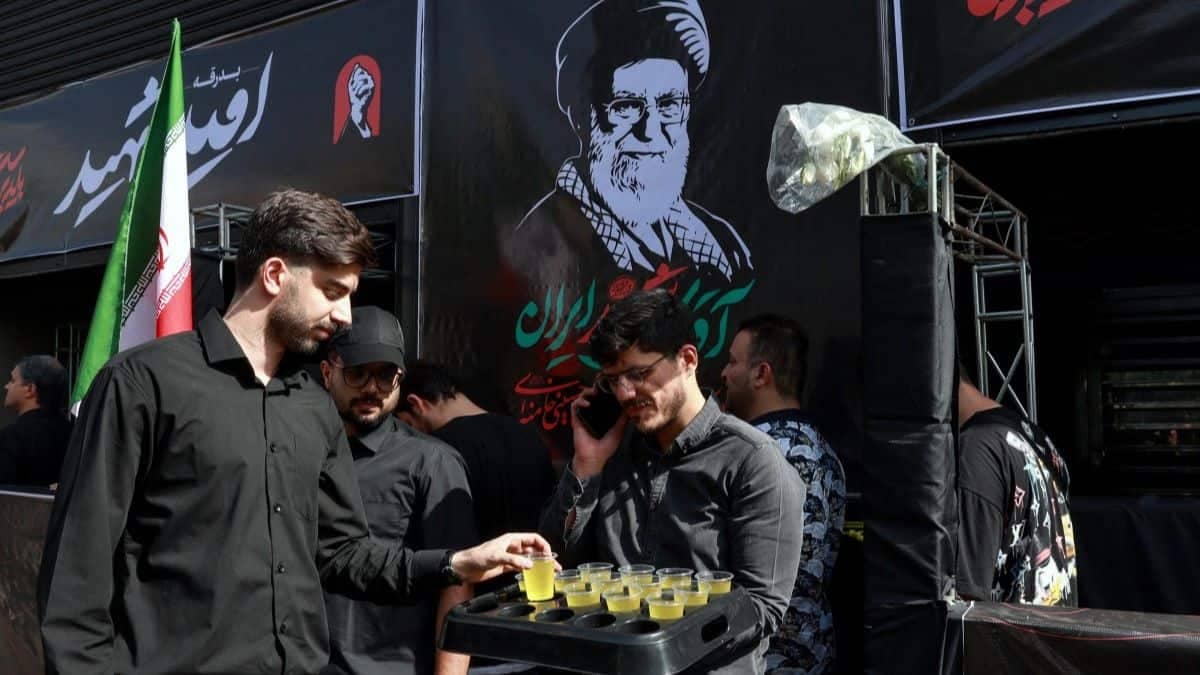

Reports indicate that Iran is preparing for a significant logistical and security challenge ahead of the upcoming funeral service for Supreme Leader Ayatollah Ali Khamenei. According to information gathered from Firstpost, authorities have reportedly prepared thousands of graves in advance of the ceremony.
This extensive preparation comes as millions of people are expected to attend the funeral services. The scale of public interest suggests that security planners must account for a massive gathering within Iran's borders and potentially at its international locations where dignitaries may be present.
Classified Security Warnings Highlight Crowd Risks
The decision to prepare thousands of burial sites is directly linked to fears regarding mass casualties. Sources cited by Firstpost state that classified security warnings have been issued highlighting specific concerns about the potential for crowd surges or attacks during the funeral proceedings.
Security officials appear concerned that a combination of factors could lead to significant loss of life if preventive measures are not taken immediately before and during the event. The reports suggest that these fears are rooted in intelligence assessments regarding threats facing such high-profile gatherings.
Potential for Crowd Surges
One specific area of concern identified by security planners is the potential for crowd surges. With millions expected to congregate, the physical movement of people presents a risk that could result in injuries or fatalities unrelated to any malicious intent.
Fears of Attacks During Ceremony
In addition to logistical risks associated with large crowds, there are reported fears regarding attacks during the funeral. These concerns have prompted authorities to consider worst-case scenarios involving mass casualties as a potential outcome if security fails or if an attack is successfully executed.
Logistical Preparations for Millions of Attendees
The expectation that millions will attend Ayatollah Ali Khamenei's funeral has necessitated unprecedented logistical preparations. The sheer number of anticipated attendees requires a level of organization and planning rarely seen in peacetime events within the region.
Scale of Expected Attendance
Firstpost notes that millions are expected to attend, a figure that underscores the gravity of the event for both domestic supporters and international observers. The attendance numbers reflect Khamenei's standing as the second-most powerful political leader in Iran.
Implications for Security Infrastructure
The preparation of thousands of graves serves as an indicator of how seriously security planners view potential threats to public safety during this event. This level of precaution implies that officials believe there is a non-negligible probability of a catastrophic incident occurring.
Context of the Funeral and Regional Tensions
The funeral for Ayatollah Ali Khamenei takes place against a backdrop of complex regional geopolitics. Iran's leadership structure, with Supreme Leader Khamenei at its apex, has long been central to the country's political stability.
Significance of the Event
The event is expected to draw significant attention from various factions within Iranian society as well as foreign governments. The reports emphasize that the funeral will serve as a focal point for national mourning and potentially for demonstrations or other forms of public expression.
Security Warnings in Classified Channels
The source context indicates that these warnings are classified, suggesting they have not been fully disclosed to the general public prior to implementation. The existence of such documents implies an internal assessment process within Iran's security apparatus regarding potential vulnerabilities during high-profile events.
Public Reaction and Media Coverage
The news has generated coverage in international media outlets, including Firstpost, which reported on the preparations for thousands of graves. This reporting highlights how quickly information about internal Iranian security concerns can reach global audiences through digital platforms.
Credibility of Reports
While the reports are attributed to Firstpost and other sources citing classified warnings, specific details regarding the nature of any confirmed threats remain unverified in public records. The focus remains on the preparatory actions taken by Iranian authorities rather than confirming an active threat.
International Observations
The funeral is expected to attract international observers and delegations from allied nations, particularly within the Middle East region. These attendees will be subject to security protocols similar to those planned for domestic participants attending in large numbers.
Diplomatic Considerations
Foreign dignitaries traveling to Iran for this event must navigate a security environment that has been described as having fears of mass casualties due to potential attacks. The diplomatic community will monitor how these preparations impact the safety and comfort of visiting officials.
Historical Context of Security Measures
The use of graves in advance for funerals is not a common practice globally, yet it has been reported specifically for this occasion. This deviation from standard protocol suggests that security planners are operating under assumptions unique to the current threat landscape facing Iran.
Precedent Setting
The reports indicate that no previous funeral in recent Iranian history required such extensive preparation involving thousands of graves. The uniqueness of this situation is emphasized by Firstpost as a direct response to classified warnings rather than routine security procedures.
Ongoing Uncertainty and Future Planning
As the date for Ayatollah Ali Khamenei's funeral approaches, uncertainty remains regarding whether any incidents will occur. Security planners continue to work with the assumption that mass casualties could result from crowd surges or attacks.
Adaptability of Plans
The preparation of thousands of graves allows for flexibility in managing potential outcomes if a catastrophe occurs during the event. This approach suggests that authorities are prepared to handle scenarios ranging from minor incidents to large-scale tragedies involving loss of life.