

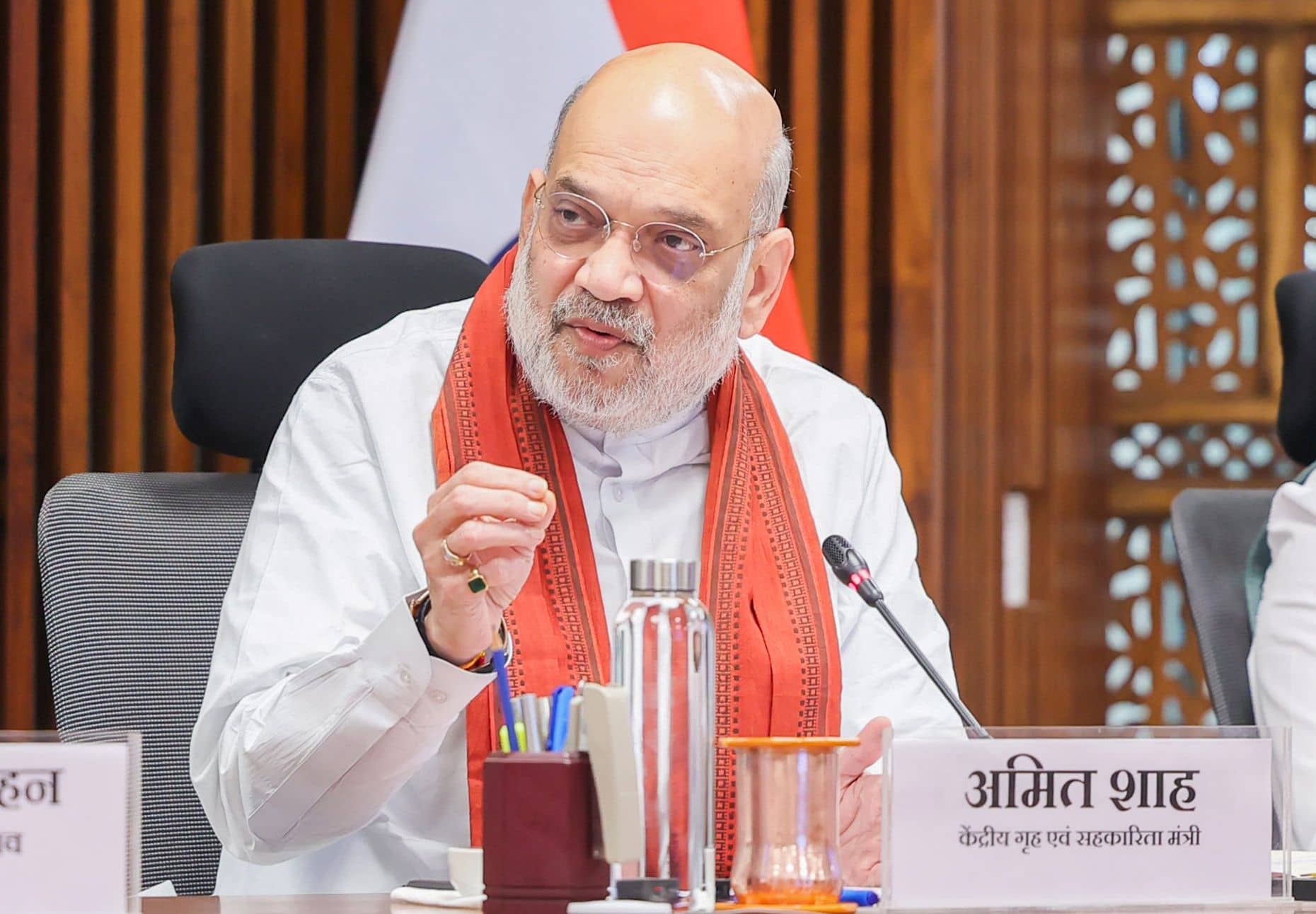

Lawmakers Seek Direct Appeal to Union Home Minister
Kolkata, Aug 6 (SocialNews.XYZ) — Three Lok Sabha members representing minority-dominated constituencies in West Bengal’s Murshidabad district have formally requested the intervention of Union Home Minister Amit Shah on two significant administrative matters. The lawmakers, who are part of the National Citizens’ Party of India (NCPI), previously belonged to the Trinamool Congress before joining the new political formation.
The three members submitted a letter to the Home Minister on Thursday addressing reports of infrastructure changes at religious sites and delays in electoral tribunal rulings. The MPs involved in the correspondence are Khalilur Rahaman, who represents the Jangipur constituency; Abu Taher Khan, representing the Murshidabad constituency; and Yusuf Pathan, who represents the Baharampur constituency and is identified as a cricketer-turned-politician.
The letter highlights concerns regarding the management of public address systems in local mosques and the status of voter identification processes in the region. The lawmakers sought immediate attention from the central government to resolve these issues, which they described as crucial for the constituents of Murshidabad district.
Concerns Regarding Mosque Infrastructure and Electoral Revisions
The first issue cited in the letter pertains to reports that police authorities are directing the removal of loudspeakers and microphones from various mosques within the Murshidabad district. According to the lawmakers, these actions have raised concerns among the local population regarding religious practices and administrative oversight.
The second matter addressed by the NCPI MPs involves the electoral rolls in the district. The lawmakers pointed to delayed decisions by tribunals concerning a substantial number of voter names that were deleted during a special intensive revision (SIR) process conducted earlier in the year. The SIR is a periodic exercise aimed at updating and verifying voter lists, but the deletion of names has reportedly led to disputes among affected voters.
The MPs stated that the tribunal decisions regarding these deletions have not been finalized in a timely manner, causing uncertainty for voters in Murshidabad. They urged the Home Minister to intervene to ensure that the electoral processes are handled transparently and that the rights of voters are protected during the revision process.
Political Background of the Signatories
The three lawmakers represent constituencies with significant minority populations in Murshidabad. Their decision to approach the Union Home Minister directly reflects their current political alignment with the NCPI, a party formed by former Trinamool Congress members who have parted ways with the state ruling party.
Khalilur Rahaman, Abu Taher Khan, and Yusuf Pathan collectively hold the seats of Jangipur, Murshidabad, and Baharampur respectively. The letter underscores their role as representatives for these specific geographic areas, where they claim to be advocating for local grievances at the national level.
The intervention request comes amid ongoing political shifts in West Bengal, with several former Trinamool Congress leaders joining new political alliances. The NCPI members’ appeal to the central government highlights their focus on administrative and electoral issues specific to their constituencies rather than broader partisan politics.
Implications for Local Administration
The concerns raised by the NCPI MPs touch upon the intersection of law enforcement, religious administration, and electoral integrity. The removal of mosque loudspeakers involves questions of public order and religious freedom, while the voter list deletions relate to democratic participation and legal recourse.
By seeking the Home Minister’s attention, the lawmakers are looking for a resolution that bypasses local administrative delays. The letter does not specify whether the central government has responded to the request as of the time of publication, nor does it detail any immediate actions taken by state authorities in response to the reported removals.
The case of Yusuf Pathan adds a distinct profile to the group, given his background in cricket before entering politics. His involvement, along with Rahaman and Khan, signals a coordinated effort by these three representatives to address what they view as systemic delays and administrative overreach in Murshidabad district.
The outcome of this appeal may influence how similar issues are handled in other minority-dominated districts in West Bengal. The lawmakers’ focus on specific administrative failures rather than general political criticism suggests a targeted approach to resolving constituent grievances through direct channels of central government authority.