

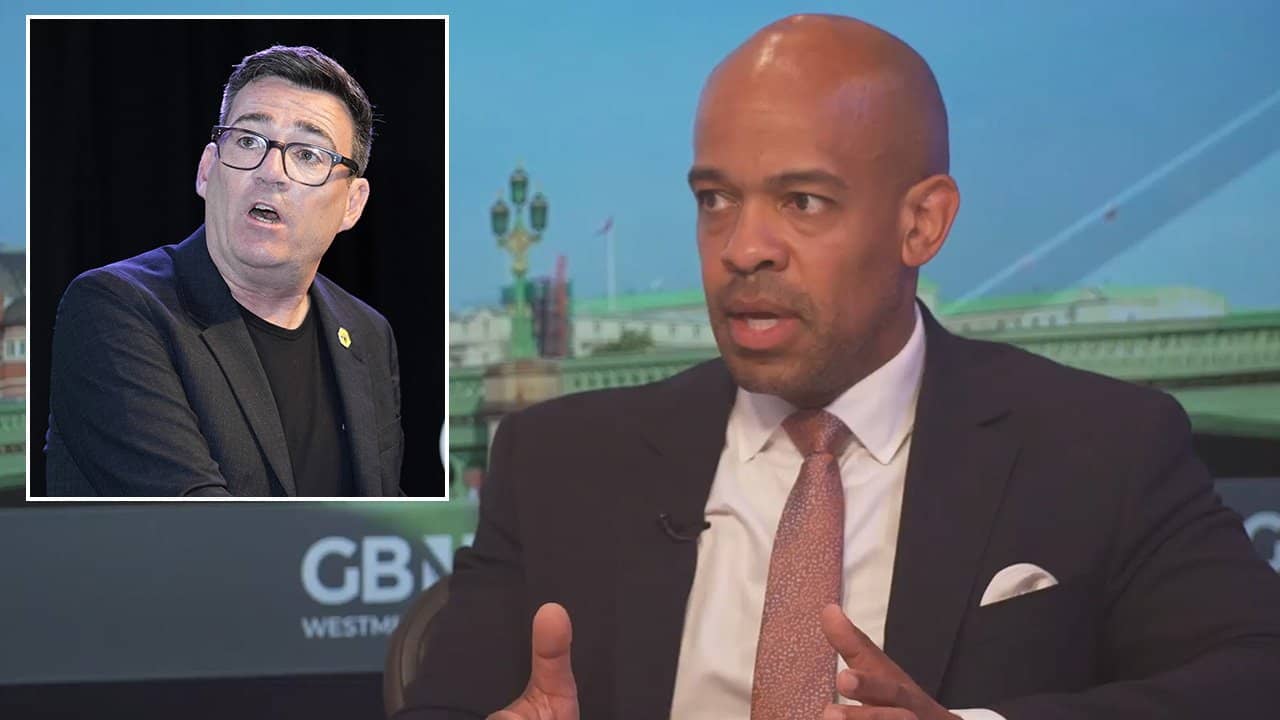

Obese-Jecty Criticizes Lack of Public Scrutiny for Potential Labour Leader
Ben Obese-Jecty, a Conservative Member of Parliament, has issued a warning regarding the potential ascension of Andy Burnham to the office of Prime Minister. Speaking on GB News, Obese-Jecty characterized the expected transition as a "coronation" that would leave British citizens "shortchanged." The MP argued that the process by which Burnham would assume leadership lacks the necessary public examination typically associated with high political office.
Obese-Jecty emphasized that Burnham remains an obscure figure to the general populace. "Nobody outside the Westminster bubble knows who he is," Obese-Jecty stated, highlighting a disconnect between the political establishment and the wider public. He suggested that this lack of recognition would persist as Burnham moves into the role of Prime Minister.
The Conservative MP expressed concern regarding the timeline for Burnham’s transition of power. Obese-Jecty posited that if no other candidates stand in the Labour leadership contest, Burnham could become Prime Minister within approximately three weeks. During this brief period, Obese-Jecty noted, Burnham would need to assemble a Cabinet, conduct a reshuffle, and prepare to govern the country. The MP described the absence of detailed plans from Burnham regarding his governance strategy as "a worry for anybody."
Concerns Over Policy Transparency and Popularity Decline
Obese-Jecty highlighted that he had heard no specific plans from Burnham about how he intends to run the country. The MP stressed that this lack of a clearly articulated approach to governance should be concerning to the public. He argued that the nature of politics dictates that Burnham’s popularity will decline immediately upon his arrival in power.
"He's already less popular today than he was on Monday when he arrived," Obese-Jecty said, predicting that his standing would "continue to go downhill." The MP suggested that the concept of a "coronation" would pose a significant problem for the Labour Party, as it bypasses the scrutiny process that allows ideas to be tested in public.
Obese-Jecty acknowledged that there likely would not be a genuine rival to Burnham in the leadership contest. However, he maintained that the absence of competition means Burnham’s ideas will not face public testing. This lack of examination, according to the MP, is what will leave people feeling shortchanged. He argued that the public deserves to see how Burnham intends to lead the country before he assumes power.
Rejection of General Election as a Solution
When pressed on whether a general election would be the appropriate mechanism to address these concerns, Obese-Jecty disagreed with the suggestion. The MP did not advocate for an immediate general election but instead focused on the perceived deficiencies in the current leadership selection process.
Obese-Jecty implied that the public would soon recognize the issues associated with Burnham’s potential leadership without the need for a broader electoral contest. He suggested that the lack of a rival and the absence of policy testing would become apparent to voters as the timeline for Burnham’s assumed premiership approached.
The MP’s comments reflect a broader Conservative critique of the Labour Party’s internal processes. Obese-Jecty argued that the party’s approach to selecting its leader fails to provide the public with adequate information about the future direction of the country. He maintained that this opacity undermines the democratic process and leaves citizens without clear choices regarding their governance.
Implications for Labour and Public Perception
The Conservative MP’s warnings focus on the immediate political landscape surrounding the Labour leadership contest. Obese-Jecty stated that if Burnham is to become Prime Minister, he must do so with a clear plan for the country. The lack of such a plan, according to the MP, represents a failure to engage with the public in a meaningful way.
Obese-Jecty’s remarks underscore the Conservative Party’s strategy of highlighting perceived weaknesses in Labour’s leadership pipeline. By characterizing Burnham’s potential rise as a "coronation," the MP aims to frame the process as undemocratic and lacking in accountability. This narrative is intended to contrast with the party’s own approach to political transitions and governance.
The MP concluded that the public would eventually wake up to the realities of Burnham’s leadership style and policy positions. Until then, Obese-Jecty argued, the lack of scrutiny leaves Britons without the opportunity to evaluate the potential Prime Minister’s qualifications and plans. The Conservative MP maintained that this situation is detrimental to the political system and the interests of the British public.