


Ecological Damage from Sino-Metals Spill Persists
A recent study has identified significant ecological damage resulting from a tailings dam failure in Zambia’s Copperbelt Province that occurred in 2025. The incident involved the collapse of a large dam owned by Chinese copper company Sino-Metals Leach Zambia, which stored mining waste. According to the assessment, the failure resulted in the release of millions of liters of acidic mining waste into waterways connected to the Kafue River system.
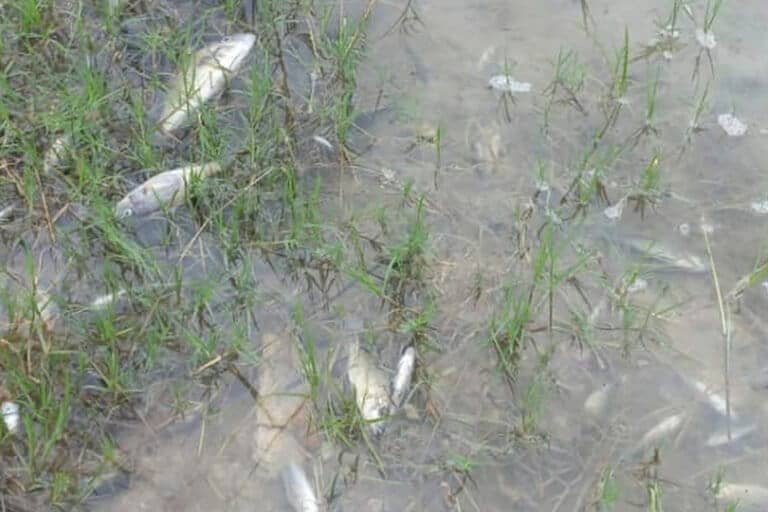
The study, cited by conservation news outlet Mongabay, found that highly toxic substances were released into the river network. Specifically, the assessment identified the presence of arsenic, lead, and zinc in the affected areas. The contamination has been linked to the death of wildlife in the region, as well as the pollution of local soils and water sources.
One and a half years after the initial collapse, the environmental impacts of the spill remain visible. Civil society members have told Mongabay that these ecological consequences continue to affect residents living near the affected zones. The persistence of toxic materials in the soil and water systems suggests that the immediate physical damage has transitioned into a long-term environmental hazard for the region.
Community Health and Corporate Response
The human impact of the spill remains a critical issue for local populations. Civil society organizations report that communities continue to reside on contaminated land despite the passage of time since the incident. Residents face ongoing health and environmental challenges attributed to the aftermath of the toxic spill, according to these groups.
Sino-Metals Leach Zambia has responded to the crisis by initiating cleanup measures following the spill. The company’s actions represent an official effort to address the contamination caused by the dam failure. However, civil society organizations indicate that these corporate efforts have not fully resolved the situation for those living in the vicinity.
The disconnect between corporate cleanup initiatives and the lived reality of residents highlights the complexity of managing industrial accidents in densely populated mining regions. While the company has acknowledged the need for remediation through its stated measures, the continued presence of communities on contaminated land suggests that the immediate safety and health concerns have not been entirely mitigated.
Timeline of Impact
The incident originated with the collapse of the tailings dam in 2025. The release of acidic waste into the Kafue River system occurred at that time, initiating the chain of environmental events. A recent study has now quantified the extent of the toxicity, confirming the presence of heavy metals such as arsenic, lead, and zinc.
At the one-and-a-half-year mark post-incident, the situation remains static for many residents. The combination of soil contamination and wildlife deaths indicates that the ecosystem has not fully recovered. Civil society members continue to monitor the health conditions of the population, noting that the impacts are still being felt.
The Kafue River system serves as a vital water source for the region. The introduction of millions of liters of acidic waste containing heavy metals poses a direct risk to anyone relying on these waterways for daily needs. The study’s findings provide scientific backing to the reports from civil society groups regarding the severity and duration of the contamination.
As cleanup efforts proceed, the focus remains on the long-term viability of the land and water in the Copperbelt Province. The ongoing residence of communities on contaminated land underscores the urgent need for comprehensive remediation strategies that address both environmental restoration and public health safety.