


United States Initiates Economic Pressure Campaign Against Tehran
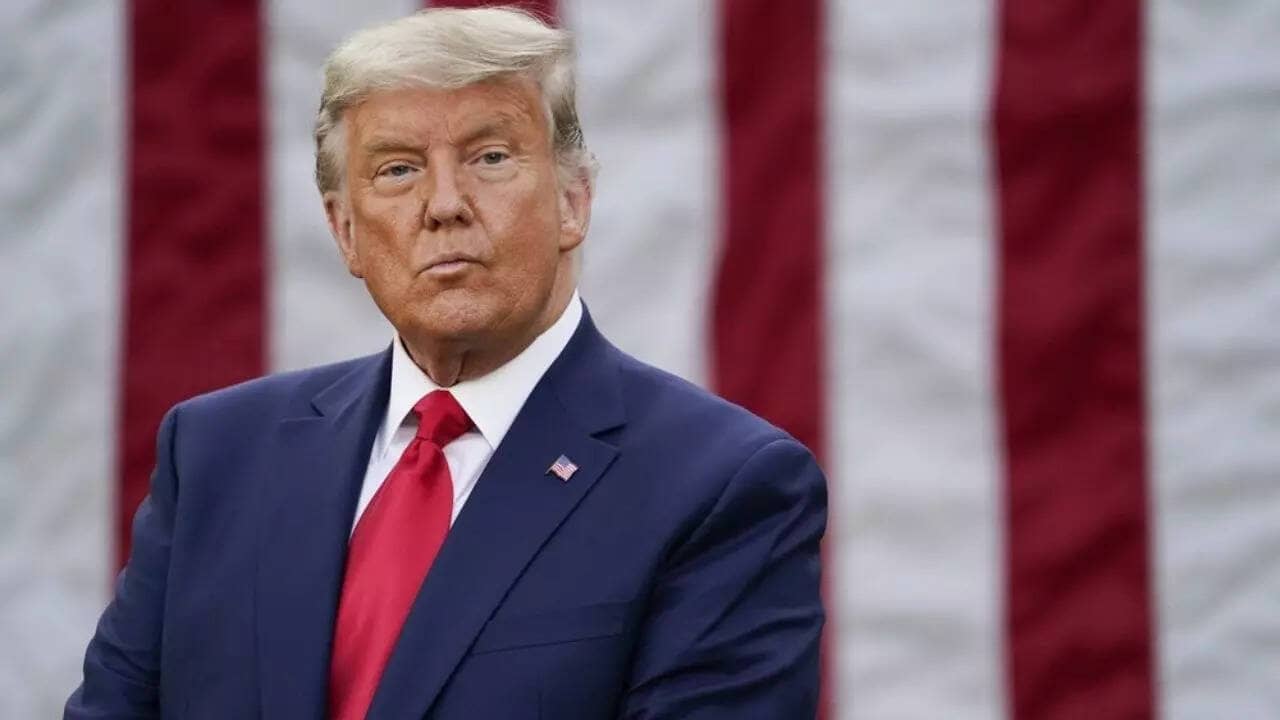
The United States government, under the direction of President Donald Trump, has announced a significant strategic shift in its foreign policy approach toward Iran. The administration described this new initiative as an “Economic D-Day,” signaling a comprehensive effort to apply maximum financial pressure on the Islamic Republic.
“Economic D-Day” Signals Comprehensive Offensive
The choice of the term “Economic D-Day” by the Trump administration is highly symbolic, evoking the scale and strategic intent of a major military offensive, but applied to the financial realm. This nomenclature suggests a coordinated, decisive, and multi-faceted economic assault designed to achieve specific, far-reaching objectives against the Iranian state. It implies a strategy aimed at overwhelming Iran's economic infrastructure and financial lifelines rather than a piecemeal application of sanctions.
In a statement outlining the strategy, President Trump declared that the most devastating sanctions would be unveiled to target the Iranian government. The stated objective of these measures is to “crush the Iranian regime.” This declaration marks a pivot from previous diplomatic or military postures toward a focused economic warfare tactic, aiming to destabilize the current leadership in Tehran through financial strangulation.
Timeline and Scope of Sanctions
The administration specified that the details of these sanctions are scheduled to be officially unveiled on August 24. While specific line items of the financial restrictions were not fully detailed in the initial announcement, the characterization of the event as “Economic D-Day” suggests a coordinated and multi-faceted approach designed to isolate Iran economically. This could encompass restrictions on its oil exports, banking sector, shipping, and access to international financial markets, among other critical areas, though these specifics were not detailed in the initial announcement.
Reporting from The Times of India indicates that this move represents a major change in strategy for the Trump administration. The publication noted that the sanctions are being described by officials as an American economic offensive aimed at destabilizing the current leadership in Tehran. The timing of the announcement places these developments in late August 2026, with the full implementation or detailed release of the measures set for the following week. This rapid succession of announcement and implementation underscores the urgency and severity with which the administration is pursuing its objectives.
A Shift from Diplomatic Engagement to Financial Warfare
The decision to frame this policy as a declaration of economic war aligns with broader geopolitical tensions in the Middle East. By utilizing financial tools rather than direct kinetic military action, the United States aims to exert pressure on Iranian state institutions and their associated networks without engaging in ground combat or aerial bombardment. This strategy seeks to avoid the immediate human cost and regional destabilization often associated with military interventions, while still pursuing a policy of significant coercion and regime pressure. The shift signifies a departure from previous administrations' approaches, which often balanced sanctions with diplomatic overtures or limited military deterrence. Instead, the current strategy focuses on a comprehensive economic isolation to achieve its foreign policy goals.
Russia Issues Threats Over UK Drone Supplies
Simultaneously with the developments regarding Iran, tensions have escalated between Russia and the United Kingdom over military aid provided to Ukraine. Russian officials have issued direct threats against the United Kingdom in response to London's provision of drones to Kyiv.
Escalating Tensions Over Military Aid to Kyiv
The threat comes amid an ongoing conflict in Eastern Europe where Western nations have increasingly supported Ukraine with advanced weaponry. The specific nature of the drone supplies provided by the UK has drawn a sharp rebuke from Moscow, which views such aid as direct involvement in the conflict. Russia has consistently warned that the provision of advanced military hardware to Ukraine by NATO members crosses a red line, perceiving these actions as prolonging the conflict and directly arming an adversary.
The UK's decision to supply drones represents a tangible escalation in military support for Ukraine. By providing unmanned aerial systems, London is contributing to Ukraine's surveillance and strike capabilities, potentially altering battlefield dynamics. This move is part of a broader trend where Western allies are supplying sophisticated military technology, including long-range artillery, armored vehicles, and air defense systems, to bolster Ukraine's defense against Russian forces.
Diplomatic Rebuffs and Regional Sparring
According to reports, Russian President Vladimir Putin issued threats regarding the drone supplies but was subsequently rebuffed by British officials. This diplomatic exchange highlights the deepening rift between Moscow and Western European capitals over the conduct of the war in Ukraine. The British government's stance indicates a firm commitment to supporting Ukraine's sovereignty and territorial integrity, despite Russian warnings.
The Russian response underscores Moscow's willingness to threaten retaliation against nations it perceives as aiding its adversary, raising the stakes for European involvement in the conflict. Such threats could range from diplomatic expulsions and cyberattacks to more direct, though unspecified, retaliatory measures. The incident is part of a broader pattern of regional sparring noted in international affairs during this period.
Wider Geopolitical Friction Points
Alongside the Iran sanctions and the Russia-UK drone dispute, other geopolitical tensions were reported, including diplomatic friction between the United States and South Korea, as well as a sparring match between Japan and Russia. These concurrent events illustrate a global landscape marked by heightened international friction and a realignment of strategic alliances. The challenges posed by these multiple flashpoints suggest a period of significant instability in international relations, with major powers asserting their interests through various forms of pressure and confrontation.