

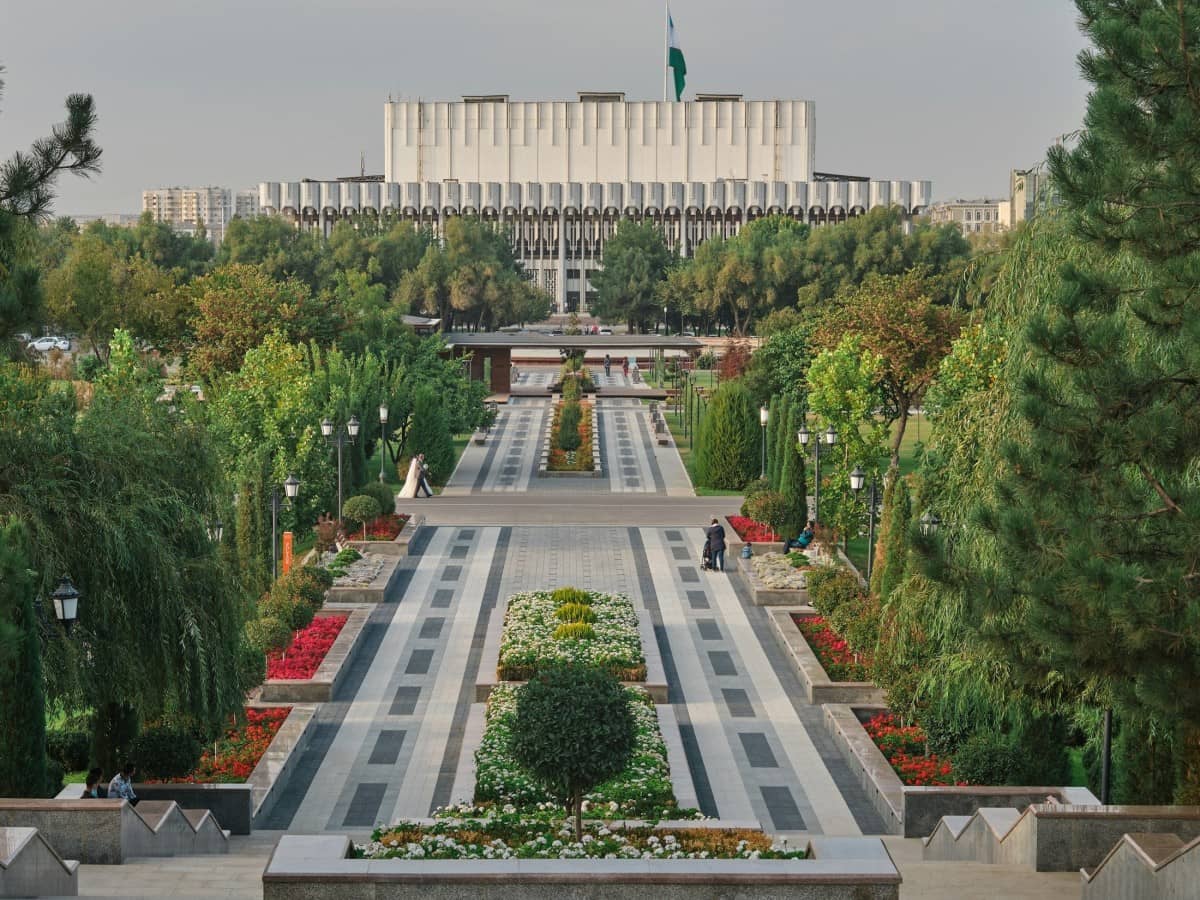

Strategic Geography Defines Regional Power Dynamics
Uzbekistan occupies a distinctive position in the geopolitical landscape of Central Asia, characterized by its extensive borders with major global and regional powers. The nation shares boundaries with Russia to the north, China to the southeast, Iran to the southwest, and Afghanistan to the south. Additionally, it maintains access to the Caspian Sea, providing a critical maritime connection that influences trade and energy logistics in the region.
Within Central Asia, Uzbekistan is identified as the most populous country. This demographic weight, combined with its strategic location between Russia, China, Iran, Afghanistan, and the Caspian Sea, positions it as a pivotal actor in regional stability and economic development. The convergence of these geographic factors has drawn attention from international stakeholders seeking to understand the shifting dynamics of Central Asian politics.
The country’s position allows it to serve as a bridge between different geopolitical spheres. Its borders with Afghanistan place it at the forefront of security concerns related to cross-border stability, while its connections to Russia and China link it to major economic corridors. The access to the Caspian Sea further complicates and enriches its strategic value, offering potential pathways for energy exports and trade routes that bypass traditional landlocked limitations.
Economic Transformation and Diplomatic Outreach
Uzbekistan is currently undergoing a period of significant structural change. The nation is actively opening its economy to foreign investment and international trade. These economic reforms are accompanied by efforts to improve diplomatic relationships with neighboring countries, signaling a shift toward greater regional cooperation and integration.
A key component of this transformation is the pursuit of deeper integration with global markets. Uzbekistan is seeking to align its economic policies with international standards to facilitate trade and attract capital. This move represents a departure from more isolated economic models, aiming instead to position the country as an accessible partner for global businesses and financial institutions.
The combination of economic liberalization and diplomatic engagement has been described as a "remarkable transformation" by observers analyzing the region. The government in Tashkent is prioritizing connectivity with the broader world, reducing barriers to entry for international partners. This strategy is intended to diversify economic dependencies and strengthen the country’s sovereignty through increased global engagement.
U.S. Policy Considerations and Strategic Opportunities
As Uzbekistan celebrates 35 years of independence on September 1st, Washington faces a decision regarding its approach to the region. Current analysis suggests that U.S. policy should move beyond ceremonial congratulations to recognize a tangible strategic opportunity in Tashkent.
According to reports from Oil Price, the United States should consider making Uzbekistan the anchor of its policy in Central Asia. The publication argues that Uzbekistan is "hiding in plain sight" as a potential key future ally for the United States. This perspective posits that Washington’s current engagement may be insufficient given the country’s growing importance and strategic alignment potential.
The suggestion to elevate Uzbekistan’s status in U.S. foreign policy is based on the country’s trajectory of reform and its geographic utility. By recognizing Uzbekistan as a central part of its strategy, Washington could leverage Tashkent’s relationships with neighbors like Afghanistan and its position relative to Russia and China to advance American interests in the region.
This approach would involve treating Uzbekistan not merely as a participant in regional affairs but as a primary partner. The recommendation implies that U.S. resources and diplomatic efforts should be concentrated on strengthening ties with Tashkent, capitalizing on the country’s openness to global markets and its desire for improved regional relations.
Implications for Regional Stability
The potential elevation of Uzbekistan in U.S. strategy carries implications for the broader Central Asian landscape. With its large population and strategic location, Uzbekistan has the capacity to influence economic and security outcomes across the region. Its efforts to integrate with global markets may also serve as a model for other nations in Central Asia seeking similar development pathways.
As Uzbekistan continues to refine its economic policies and diplomatic engagements, its role as a potential anchor for U.S. policy becomes increasingly relevant. The convergence of its geographic advantages, demographic significance, and ongoing reforms presents a unique case study in how the United States might adapt its foreign policy to emerging opportunities in Central Asia.