

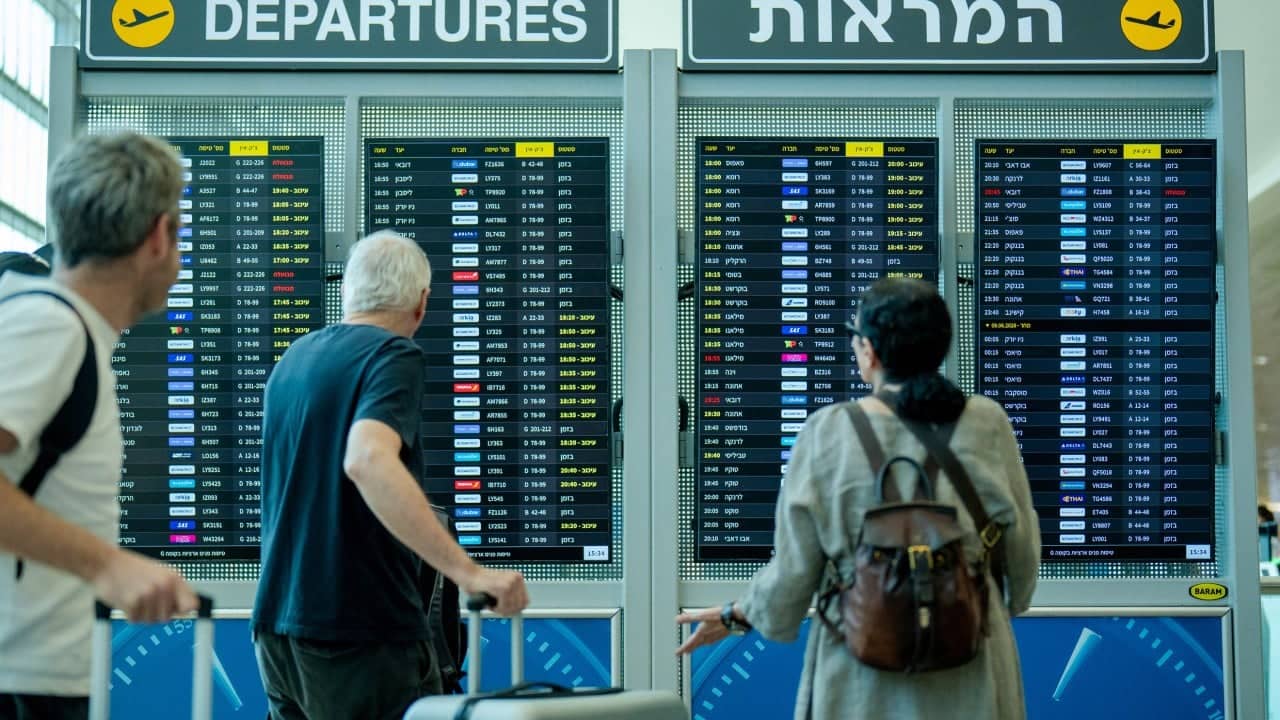

Global Conflict Levels Reshape Travel Priorities
Geopolitical volatility and uncertainty have become a standard condition for global mobility in 2026, fundamentally altering how tourism markets function. According to the International Rescue Committee (IRC), the world is currently experiencing more active wars than at any point since World War II. This historical comparison underscores the scale of current instability, which extends beyond isolated incidents to affect broad regions.
The IRC reports that one in seven people globally is living with the threat of armed conflict. This statistic highlights the pervasive nature of the violence, which is not confined to specific battle zones but influences safety perceptions worldwide. The US-Israel attack on Iran has been identified as perhaps the most high-profile conflict of the year, serving as a focal point for media attention and public concern.
However, the IRC notes that this specific incident is hardly the only example of violence and disruption affecting people and locations around the world. The cumulative effect of multiple simultaneous conflicts is creating a fraught landscape for international movement, forcing travelers to reassess traditional routes and destinations.
Airlines and Tourism Markets Face Economic Pressure
The convergence of geopolitical strife and economic factors is testing the resilience of tourism markets and altering airline economics. A report from the consulting firm McKinsey & Company indicates that these realities are reshaping global travel patterns. The firm observes that while demand for travel persists, the mechanisms by which people book and execute trips have changed significantly.
High fuel prices remain a critical component of this economic pressure. Regional conflicts contribute to supply chain disruptions and increased operational costs for carriers, which in turn influences ticket pricing and route availability. Travelers are responding to these combined pressures by prioritizing flexibility in their planning processes.
Rapid Substitution Replaces Cancellation
Despite the challenging environment, people continue to desire travel. The defining behavior of 2026, according to industry experts, is not widespread cancellation but rapid substitution. Michael McCormick, founder and managing partner of Travel Again Advisory, stated that consumers are taking a different approach to the travel process.
This approach involves rethinking destination choices, transportation methods, and the timing of visits. Instead of abandoning trips entirely due to fear or cost, travelers are substituting troubled areas with safer alternatives. This shift allows tourism markets to remain active, albeit in a more fluid and less predictable manner than in previous years.
Regional conflicts and high fuel prices are directly influencing these patterns. Travelers are actively bypassing trouble spots, opting for destinations that appear stable relative to current global tensions. This behavior requires a higher degree of adaptability from both consumers and service providers, who must accommodate last-minute changes and shifting preferences.
Strategic Planning Becomes Essential
The need for flexibility has become a central tenet of modern travel planning. With one in seven people globally facing the threat of armed conflict, the risk assessment process for tourists has become more complex. Travelers are no longer relying on static itineraries but are instead adopting strategies that allow for quick pivots.
This shift impacts various sectors of the tourism industry. Airlines and hotels must adjust their operations to handle fluctuating demand across different regions. The focus is moving from long-term booking confidence to short-term adaptability, as travelers seek to minimize exposure to potential disruptions while still fulfilling their desire to see the world.
The interplay between geopolitical events and personal travel decisions continues to evolve. As conflicts persist and fuel prices remain elevated, the pattern of rapid substitution is likely to remain a dominant feature of the 2026 travel landscape. Travelers are navigating this environment by prioritizing safety and flexibility, effectively bypassing areas of concern while maintaining their engagement with global tourism.