


West Asia Tensions Flare After White House Summit
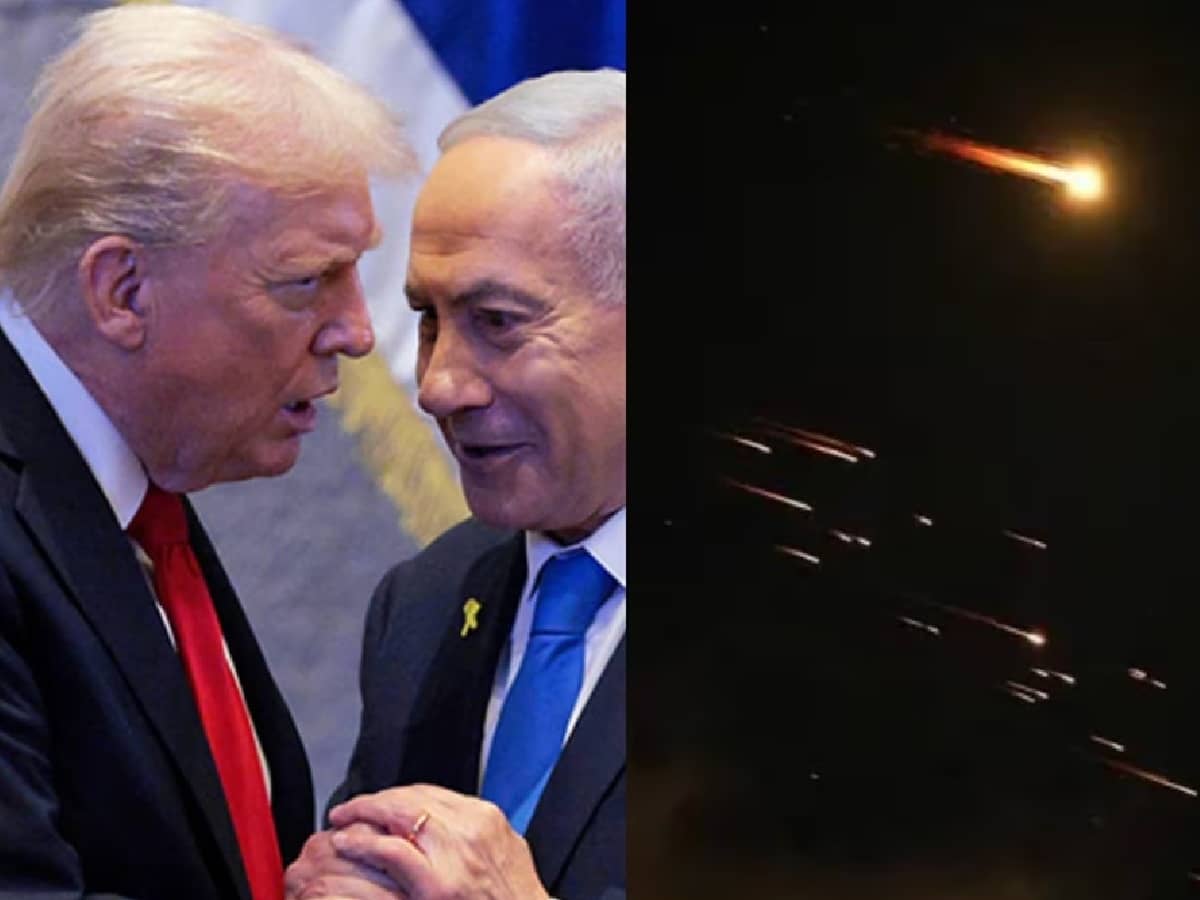
The geopolitical landscape across West Asia has witnessed a dramatic escalation, marked by the United States initiating renewed heavy airstrikes against Iranian military targets. This significant military action unfolded swiftly, immediately following a crucial, closed-door meeting between US President Donald Trump and Israeli Prime Minister Benjamin Netanyahu at the White House.
Reports from Suspense Crime underscore the precise timing of these events, highlighting a direct temporal link between the diplomatic engagement and the subsequent military offensive. The publication indicates that the United States launched this intensified campaign of heavy airstrikes targeting Iranian military installations throughout West Asia just one day after President Trump and Prime Minister Netanyahu concluded their high-level discussions at the executive branch's headquarters in Washington.
This rapid sequence of events — a sensitive diplomatic summit followed by immediate military action — suggests a coordinated and decisive response to unfolding regional dynamics, with both leaders engaging in discussions that preceded a significant shift in US military posture towards Iran.
Iran's Missile Barrage on US Forces in Jordan
The immediate trigger for this renewed conflict was a significant and aggressive action undertaken by Iran. According to the reports, Iran launched a massive barrage of ballistic missiles, directly targeting US military installations that are strategically stationed in Jordan. This unprovoked attack served as the explicit catalyst for the subsequent American military response, escalating an already tense regional situation.
The incident represented a direct and serious provocation against American forces operating on allied soil within the volatile West Asia region. While specific details regarding casualties or damage from this particular volley were not explicitly detailed in the initial reports, the strategic implication of such an attack, aimed at US personnel and assets, was profound, demanding a robust reaction.
American Defenses Neutralize Incoming Threat
Crucially, in response to the extensive missile barrage launched towards Jordan, American defense systems demonstrated remarkable effectiveness. US defense shields successfully intercepted and shot down all incoming ballistic missiles mid-air. The reporting confirms that despite the sheer scale of the Iranian launch, described as a "massive barrage," every single projectile was reportedly neutralized before it could reach its intended destination or inflict any damage on the targeted US military installations.
This successful interception prevented potential devastation and loss, underscoring the advanced capabilities of the US defense infrastructure deployed in the region. The complete neutralization of the threat mitigated what could have been a far more severe escalation, yet the act of launching the missiles itself remained a significant hostile act.
Immediate US Retaliation Targets Iranian Military
The military response from the United States, initiated by President Donald Trump, was swift and decisive, occurring just one day after his high-profile meeting with Israeli Prime Minister Benjamin Netanyahu. This rapid timeline establishes a clear and immediate connection between the diplomatic discussions held at the White House and the subsequent commencement of heavy airstrikes against Iranian military targets in West Asia.
The discussions between President Trump and Prime Minister Netanyahu were characterized as high-stakes and conducted behind closed doors, indicating the sensitive nature of the intelligence shared and strategies deliberated. The promptness of the American military action following this summit suggests that the Iranian missile attack on US installations in Jordan was a critical topic, likely leading to a consensus on a forceful and immediate counter-response.
Strategic Implications for Regional Stability
The confluence of Iran's ballistic missile launches and the subsequent US airstrikes has profoundly impacted the already volatile security landscape of West Asia. Military installations in Jordan, specifically targeted by Iran, have become a focal point in this recent and dangerous exchange of fire, underscoring the fragility of peace in the region.
The successful interception of all incoming Iranian missiles by American defense systems stands as a critical development. This defensive triumph prevented direct hits on the targeted locations and averted potential casualties, thereby mitigating an even more severe immediate crisis. Despite this defensive success, the very act of Iran launching such a significant missile campaign against US forces stationed abroad signals a dangerous escalation of tensions between major powers in the region.
Reporting Details from Suspense Crime
All comprehensive details concerning the high-stakes White House meeting, the subsequent US airstrikes, the specific targeting of US installations in Jordan, and the successful missile interception rates are meticulously attributed to a report by Akanksha Mishra for Suspense Crime. This pivotal article was officially published on July 30, 2026, at approximately 1:49 pm local time, as indicated by the publication's metadata.
The report categorizes these unfolding events under its 'World News' section, specifically highlighting them as breaking news. This classification emphasizes the immediate and significant impact of these developments on international relations, particularly between major global powers and key regional actors within West Asia. The reporting focuses on the observable actions and their immediate consequences.
It is important to note that the Suspense Crime report, while detailing the sequence of events, did not include further specifics regarding internal US government deliberations that may have preceded President Trump's decision. Similarly, beyond the general designation of "Iranian military targets," no explicit details were provided regarding the precise locations or nature of the targets struck within Iran during the renewed airstrike campaign.