

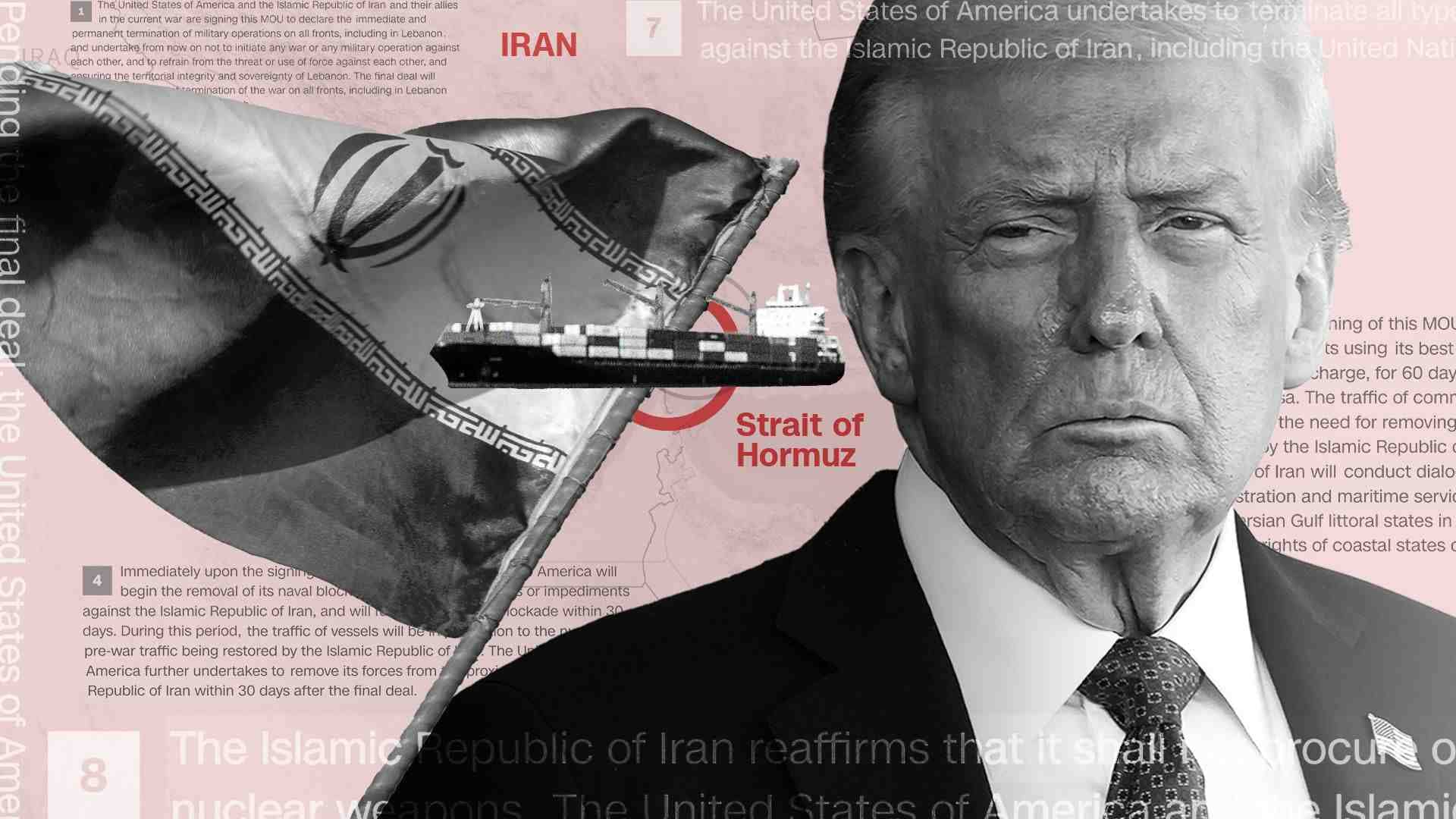

A New Diplomatic Push: The "Trump Peace" Initiative
The second Trump administration has rapidly initiated a significant diplomatic push, aiming to resolve two prominent global conflicts that have profoundly impacted international relations and energy markets. This overarching strategy, now widely referred to as the "Trump Peace" initiative, encompasses both a recently signed agreement with Iran and ongoing negotiations for a framework to address the conflict in Ukraine. The announcement of the Iran memorandum at the G7 summit in France generated considerable public interest, evidenced by a notable increase in search traffic for the phrase "Trump Peace" since the event.
This initiative signals a distinct shift in the administration's foreign policy approach, prioritizing direct negotiation and comprehensive agreements to de-escalate tensions and stabilize critical regions. The dual focus on the Middle East and Eastern Europe underscores the administration's ambition to tackle complex geopolitical challenges simultaneously, leveraging high-level diplomatic engagements to achieve tangible outcomes.
Iran Agreement Forges New Path for Regional Stability
The cornerstone of the "Trump Peace" initiative's initial success is the comprehensive 14-point memorandum signed with Iran. This landmark agreement was formally concluded at the Évian summit in June 2026, marking a pivotal moment in the administration's engagement with the Islamic Republic. The memorandum outlines several critical provisions designed to address long-standing tensions and foster economic recovery in the region.
Key Provisions of the Iran Memorandum
- Reopening the Strait of Hormuz: A central element of the deal ensures the full reopening of the Strait of Hormuz, a vital maritime chokepoint through which a significant portion of the world's oil supply passes. This provision aims to reduce geopolitical risk and ensure the free flow of international commerce.
- Sanctions Relief: The agreement stipulates the lifting of selected economic sanctions against Iran. This move is expected to provide substantial economic relief, facilitating Iran's reintegration into the global economy.
- Reconstruction Financing: A significant financial component of the deal involves approximately $300 billion in reconstruction financing for Iran. This capital injection is intended to support the nation's recovery and development efforts following years of economic isolation.
- Nuclear Non-Proliferation: Crucially, the memorandum includes a stringent clause explicitly prohibiting Iran from acquiring or developing nuclear weapons. This provision addresses a core international security concern and aims to prevent future proliferation risks.
Behind the scenes, Pakistan reportedly played a quiet yet instrumental mediation role in the arduous negotiations that led to the finalization of the agreement. Its involvement highlights the complex multilateral diplomacy required to bridge divides between the involved parties.
Global Markets Respond to Reduced Risk
The announcement of the Iran memorandum triggered an immediate and positive response in global markets. Within hours of the news, oil futures showed a noticeable decrease in price. This easing was directly attributed to the reduced risk concerning the Strait of Hormuz, as the prospect of its closure—a constant threat to global energy supplies—was significantly diminished by the agreement.
Addressing reporters, Donald Trump commented on the strategic waterway, stating that the Strait of Hormuz was already partially open. He further issued a stern warning, emphasizing that any future violations of the agreement or threats to the strait's passage would be met with a forceful and decisive response from the United States and its allies, underscoring the administration's commitment to upholding the terms of the deal.
Ukraine Framework: Awaiting Breakthrough Amidst Ongoing Talks
In contrast to the concluded Iran agreement, the framework for resolving the protracted conflict in Ukraine remains under active and complex negotiation. While the administration has successfully brought one major conflict to a diplomatic resolution, the path forward for Ukraine presents a distinct set of challenges and complexities.
Specific details regarding the terms of the potential Ukrainian agreement have not yet been released by the administration. This lack of public information leaves the precise status and potential outcomes of the conflict unresolved, prompting considerable speculation among international observers and affected populations.
The ongoing discussions raise questions about whether the diplomatic "playbook" employed for the Iran deal—which involved specific economic incentives and security guarantees—can be effectively applied to the unique geopolitical landscape and entrenched positions surrounding the Ukrainian conflict. Stakeholders and the international community are closely watching for any indications of progress or the specific contours of a potential peace framework, as the administration continues its efforts to secure a resolution.