


Policy Announcement Targets Pharmaceutical Supply Chain Reshoring
President Donald Trump issued an announcement on July 21 regarding the imposition of tariffs on generic drugs entering the United States. The policy establishes a specific timeline for tariff implementation designed to influence where pharmaceutical production occurs. According to statements made by the President, medications imported into the country would not be subject to any tariffs beginning in August 2026.
Following this initial two-year period free of charges, the administration plans to alter the tax structure significantly. Starting in August 2028, a tariff rate of 100 percent will apply to generic drugs brought into the United States. One year after that implementation date, specifically beginning in August 2029, the levy is set to increase further.
In a post on Truth Social published at approximately 8:30 PM EDT on July 21, 2026, Trump explained the rationale behind these escalating rates. He stated, \"This is done in order to RESHORE Generic Pharmaceutical Production into America.\" The announcement frames the tariff structure as a penalty mechanism for specific corporate behaviors.
The President wrote that the policy includes penalties directed at companies that decide not to build plant and equipment within the United States during the stated period of time given to them. This timeframe encompasses the two-year grace period followed by the subsequent years where tariffs take effect. The text on Truth Social emphasized that those who fail to establish domestic manufacturing capabilities will face these financial burdens.
Strategic Objectives Cited Include National Security and Domestic Manufacturing
The stated objective of this policy is explicitly described as protecting the people of the United States. Trump linked the tariff measures directly to national security concerns regarding the pharmaceutical supply chain. The announcement asserts that securing the U.S. pharmaceutical supply chain against foreign reliance is a primary goal.
According to the text provided by the President, the Policy on Patented, Branded, or Innovative Drugs will remain as it has been so successful previously. This distinction separates generic medications from branded drugs in terms of regulatory treatment under this new framework. Trump noted that pharmaceutical facilities are being built across the United States at a level never seen before.
The broader context involves an effort to reduce foreign ownership and control within the sector. The administration views the location of manufacturing plants as critical to national security interests. By imposing steep levies on imports after 2028, the policy aims to incentivize companies to shift their production lines from overseas locations back into American borders.
Impact on Prescription Volume and Industry Composition
The scope of this potential tariff impact is substantial given the volume of prescriptions filled in the country. According to data provided by the U.S. Food and Drug Administration, generic drugs constitute over 90 percent of all prescriptions filled in the United States.
This statistic highlights that the policy affects a vast majority of medication usage within the American healthcare system. The FDA confirms this dominance of generics in prescription fills, which underscores why the President focused specifically on these products rather than branded medications for his tariff strategy.
Timeline and Implementation Phases
- The first phase begins August 2026 with zero tariffs.
- A second phase commences August 2028 introducing a 100 percent tariff.
- A final escalation occurs in August 2029 raising the rate to 200 percent.
These dates are presented as fixed points in the policy timeline. The transition from no tariffs to high levies is structured over two years of grace followed by immediate enforcement of higher rates. There are no exemptions mentioned for specific companies or drug types within the generic category once the 100 percent rate takes effect.
Broader Economic and Political Implications
The announcement comes as part of a wider strategy to reduce foreign ownership in critical industries. Trump positioned the pharmaceutical sector alongside other areas where domestic production is being prioritized for security reasons. The language used suggests that failure to comply with these manufacturing requirements will result in severe economic consequences.
Media reports indicate this move represents a significant shift in how trade policy interacts with healthcare infrastructure. While the administration frames this as protecting American jobs and supply chains, industry observers note the potential impact on drug availability and pricing for consumers once tariffs are fully implemented.
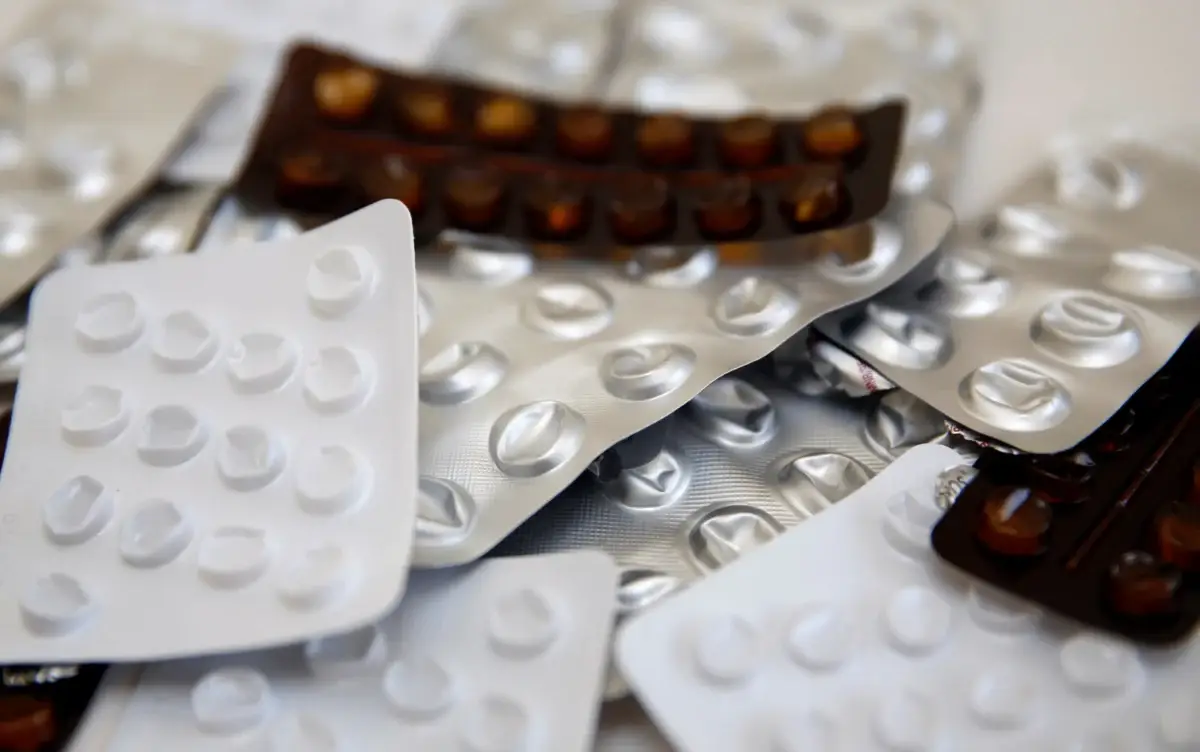
The President's comments were accompanied by images of medications stored on pharmacy shelves in Los Angeles, dated May 12, 2025. These visuals served to illustrate the types of products affected by the upcoming regulatory changes. The juxtaposition of current inventory with future tariff threats underscores the transition period described in the announcement.
Distinction Between Generic and Branded Drug Policies
The policy explicitly maintains a distinction between generic drugs and patented, branded, or innovative drugs. While generics face potential tariffs starting August 2028, branded medications are excluded from these specific levies. This separation ensures that the financial penalties apply only to non-branded pharmaceuticals.
Trump characterized the existing Policy on Patented Drugs as successful. By keeping those policies unchanged while altering regulations for generic drugs, the administration signals a targeted approach toward reshoring efforts without disrupting markets for innovative medicines currently protected by patents.
"