


Unveiling a Secret Diplomatic Mission
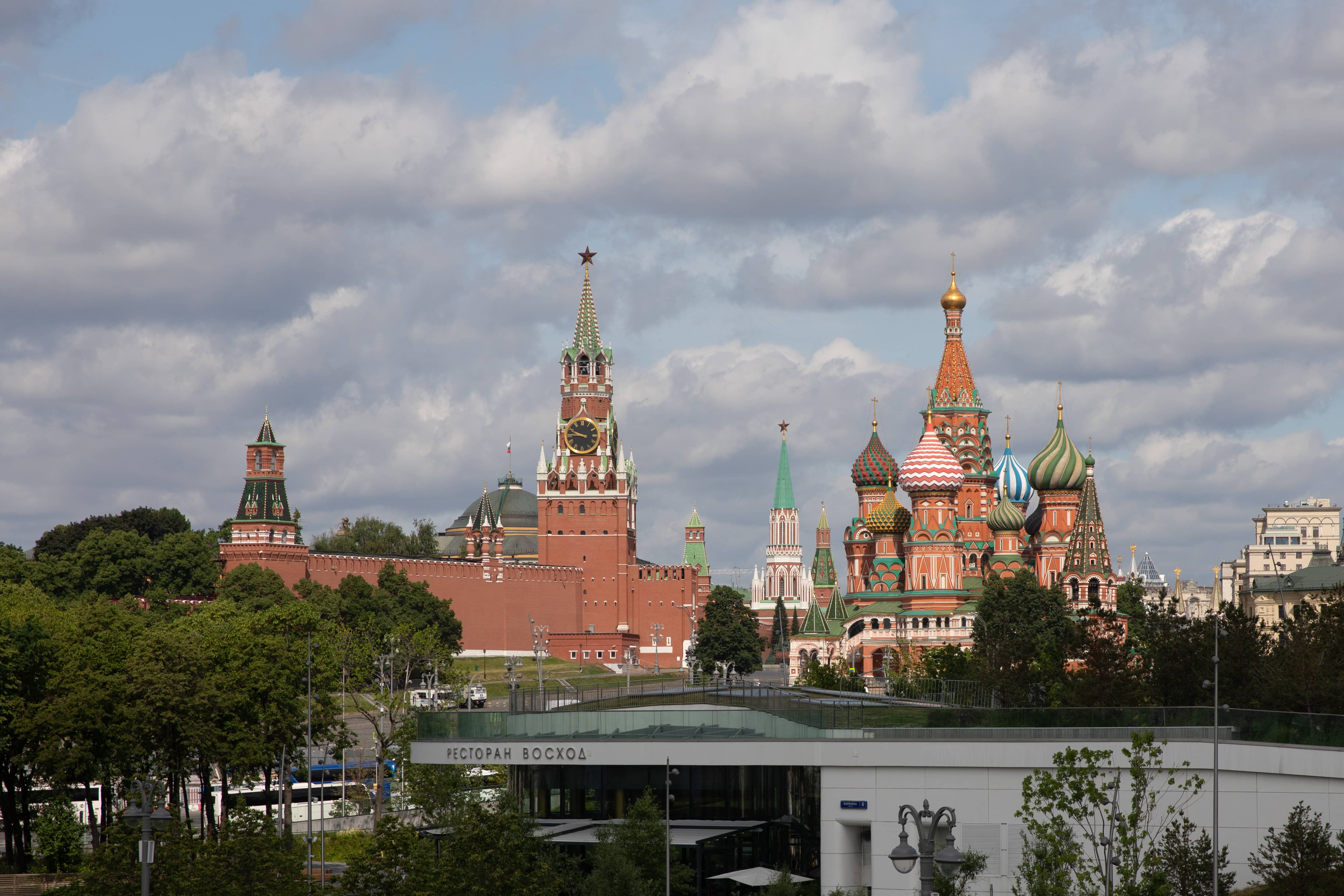
New York, Aug 26 (IANS) — The United States government lifted the veil of secrecy surrounding CIA Director John Ratcliffe’s recent visit to Moscow, with President Donald Trump hinting that the trip was part of his administration's bid to end the war in Ukraine. The existence of the mission was initially obscured but was revealed through open-source intelligence and media reports.
Flight data indicated an American military plane traveling from the United States via Latvia before arriving in Moscow. Concurrently, reports emerged regarding diplomatic motorcades operating within the Russian capital. Russian President Vladimir Putin’s spokesperson, Dmitry Peskov, confirmed the visit to reporters after it had been broken by US media outlets.
Peskov provided specific details regarding the scope of the engagement during the visit. He stated that Ratcliffe did not meet with President Putin personally. Instead, the CIA chief held discussions exclusively with Russian intelligence officials. When asked about the substance of these conversations, Peskov declined to provide specifics, stating only that "contacts via the security services" had taken place.
Presidential Remarks Downplay Significance
President Trump addressed the visit in an interview with conservative commentator Glenn Beck. He linked the diplomatic movement directly to his stated goal of resolving the conflict in Eastern Europe. "We’re working very hard to get that war ended, and frankly, they both want to see it ended at this point," Trump said.
Despite linking the visit to peace efforts, the President downplayed its immediate strategic weight. He described the trip as "very sort of semi-routine" and explicitly stated it was not related to NATO affairs or threatened sanctions against Iran. When asked if the visit would yield tangible results, Trump suggested that something might come out of the encounter but expressed reluctance to overstate its importance. "I hate to disappoint people," he added regarding the modest expectations for the mission.
Escalating Conflict and Defense Shortages
The Moscow visit occurred as the Ukraine War entered a new phase of intensification. Reports indicated that Russia was increasing its bombardment of Ukrainian territory, including strikes on civilian targets. This escalation coincided with reports that Ukraine was running short of anti-missile defense equipment.
Analysts noted that this shortage increased Ukraine's vulnerability after the nation had previously appeared to make headway in the conflict. The timing of the CIA director’s trip came against this backdrop of heightened military pressure on Kyiv.
Campaign Promises and Political Timeline
The visit also drew attention to President Trump’s previous political commitments regarding the conflict. During his election campaign, Trump asserted that he would end the Ukraine conflict within a day of becoming President. The war has now continued for four years, extending well beyond the timeline suggested during his candidacy.
Parallel Geopolitical Pressures on Iran
While the Moscow visit focused on Ukraine, other geopolitical pressures were intensifying simultaneously. On the eve of Ratcliffe’s arrival in Russia, US Treasury Secretary Scott Bessent issued warnings to countries engaged in business with Iran.
Bessent stated that nations doing business with Iran would face serious consequences. This warning aligned with previous threats made by President Trump regarding an "Economic D-Day" targeting Iranian-related matters. These developments highlighted a complex diplomatic environment where efforts to de-escalate the Ukraine conflict ran parallel to increased economic pressure on other adversarial states.