


New Military Front Opens Near Russian Capital
Ukraine has opened a new front in the ongoing war, a development described as potentially striking the Kremlin at significant economic points. According to reporting by the Defence Correspondent for London Business News, this latest escalation represents a strategic shift aimed at impacting areas that are critical to the Russian leadership and its capacity to sustain military operations.
The offensive is situated near Moscow, targeting vital infrastructure and logistical networks that have become indispensable to Russia's military efforts. This strategic move comes as Kyiv seeks to apply pressure on multiple fronts, directly challenging the perceived security perimeter of the Russian capital. The specific nature of the attacks involves targeting assets that directly support the broader war machine, with a particular focus on the economic lifelines that sustain Russian forces and their operations both within Ukraine and beyond.
Shifting the Battlefield to Critical Russian Assets
Reports indicate that this new front is meticulously designed to hit where it hurts most for the Kremlin. By expanding the theater of war to include areas near Moscow, Ukraine aims to significantly disrupt the flow of resources, materials, and financial support that have been essential to sustaining the conflict for over two years. This strategy marks a notable departure from previous engagements, which were largely concentrated in the eastern and southern regions of Ukraine, often far from Russia's administrative and economic heartland. The intent is to force a reallocation of Russian defensive assets and resources, potentially alleviating pressure on Ukrainian forces elsewhere and creating new vulnerabilities for Moscow.
Disruption of Russia’s Shadow Fleet
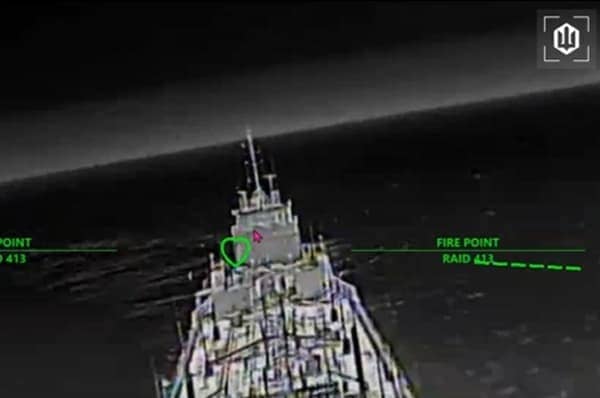
A central, and arguably critical, component of this new offensive involves targeting Russia's so-called shadow fleet. This vast armada comprises ageing oil tankers, obscure cargo ships, and reflagged vessels, which for more than three years have operated beneath the radar of international scrutiny. This sophisticated maritime network has been instrumental in allowing Russia to circumvent Western sanctions, acting as a crucial conduit for transporting billions of pounds’ worth of crude oil around the globe, thereby funding Vladimir Putin’s war machine.
The Fleet's Role in Sanctions Evasion
The shadow fleet has functioned as a critical logistical backbone for Russia, enabling the country to continue exporting energy despite the comprehensive international restrictions imposed following the full-scale invasion of Ukraine. These vessels employ various deceptive methods to obscure their true origins, destinations, and ownership, making them exceedingly difficult to track and sanction effectively by international bodies. This includes practices such as ship-to-ship transfers in open waters, switching off transponders, and frequent changes of flag registration to jurisdictions with lax oversight. By targeting this intricate network, Ukraine is attempting to sever a primary financial and material support artery that directly fuels Russian military operations.
Impact on War Effort
The disruption of the shadow fleet is expected to have significant and far-reaching implications for Russia's ability to fund its war efforts. The revenue generated from crude oil exports, facilitated largely by this clandestine fleet, has been a primary and consistent source of funding for military expenditures, weapon procurement, and troop sustainment. By directly targeting the vessels and associated infrastructure that facilitate these exports, Ukraine aims to drastically reduce the financial resources available to the Kremlin, thereby impeding its capacity to wage prolonged conflict.
This offensive near Moscow, coupled with the targeting of maritime assets, is part of a broader, multi-faceted strategy to degrade Russia's capacity to sustain prolonged conflict. This includes not only direct military confrontations on the traditional battlefields but also an intensified economic warfare aimed at weakening the logistical and financial support systems that underpin Russian aggression. The timing of this offensive suggests an intent to capitalize on perceived vulnerabilities in Russia's defensive posture and economic structures, forcing Moscow to contend with threats on multiple, previously secure, fronts.
Strategic Implications for the Conflict's Trajectory
The opening of a new front near Moscow has raised immediate and serious concerns about the potential for further escalation of the war. It unequivocally demonstrates Ukraine's evolving capability to project power into areas previously considered secure from direct attack, thereby challenging the Kremlin's narrative of invulnerability. This development may compel Russia to reallocate significant military and defensive resources to protect its capital region and critical infrastructure, potentially weakening its positions on other, more active fronts in eastern and southern Ukraine.
The dual focus on physical infrastructure near Moscow and the maritime networks supporting the war effort highlights the increasingly interconnected nature of the conflict. Economic and military strategies are now more intertwined than ever, with Ukraine employing a sophisticated, multi-dimensional approach to challenge Russian dominance and resilience. This strategy seeks to impose costs on Russia not only through direct combat but also by undermining its economic foundations and logistical capabilities.
As this complex situation develops, the international community is closely monitoring the potential for further escalation and the broader geopolitical ramifications. The effectiveness of this new offensive will depend on various factors, including the speed and nature of Russia's response, the ability of Ukraine to maintain sustained pressure on multiple fronts simultaneously, and the resilience of the shadow fleet against these new attacks. The outcome could significantly influence the trajectory of the war, potentially altering the strategic balance and the broader geopolitical landscape for years to come.