


Trade Tensions Between Washington and Ottawa
The United States and Canada are currently engaged in what has been described as a bitter trade war. This escalation follows the decision by Washington to impose tariffs of 50% on approximately $20 billion worth of Canadian goods. In response, the Canadian government declared retaliatory tariffs targeting $20 billion worth of United States goods. Ottawa stated its intention to retaliate "dollar for dollar" against the American measures.
According to The Indian Express, this development is classified under the syllabus for the Preliminary Examination within the category of current events of national and international importance. It also falls under General Studies II of the Mains Examination, which covers bilateral, regional, and global groupings affecting India’s interests.
Analysis of Tariff Dynamics
The publication notes that candidates are expected to understand the definition of a tariff in detail. The analysis requires an examination of the trade dynamics between the United States and Canada. Furthermore, the source indicates that aspirants must investigate the strategic motivations behind the United States imposing these fresh tariffs at this specific time.
Questions raised by the source include what the United States sought to achieve from Canada through these measures. The text implies a need for detailed knowledge regarding the history and current state of US-Canada trade relations to fully address the implications of this economic dispute.
Geopolitical and Regional Focus Areas
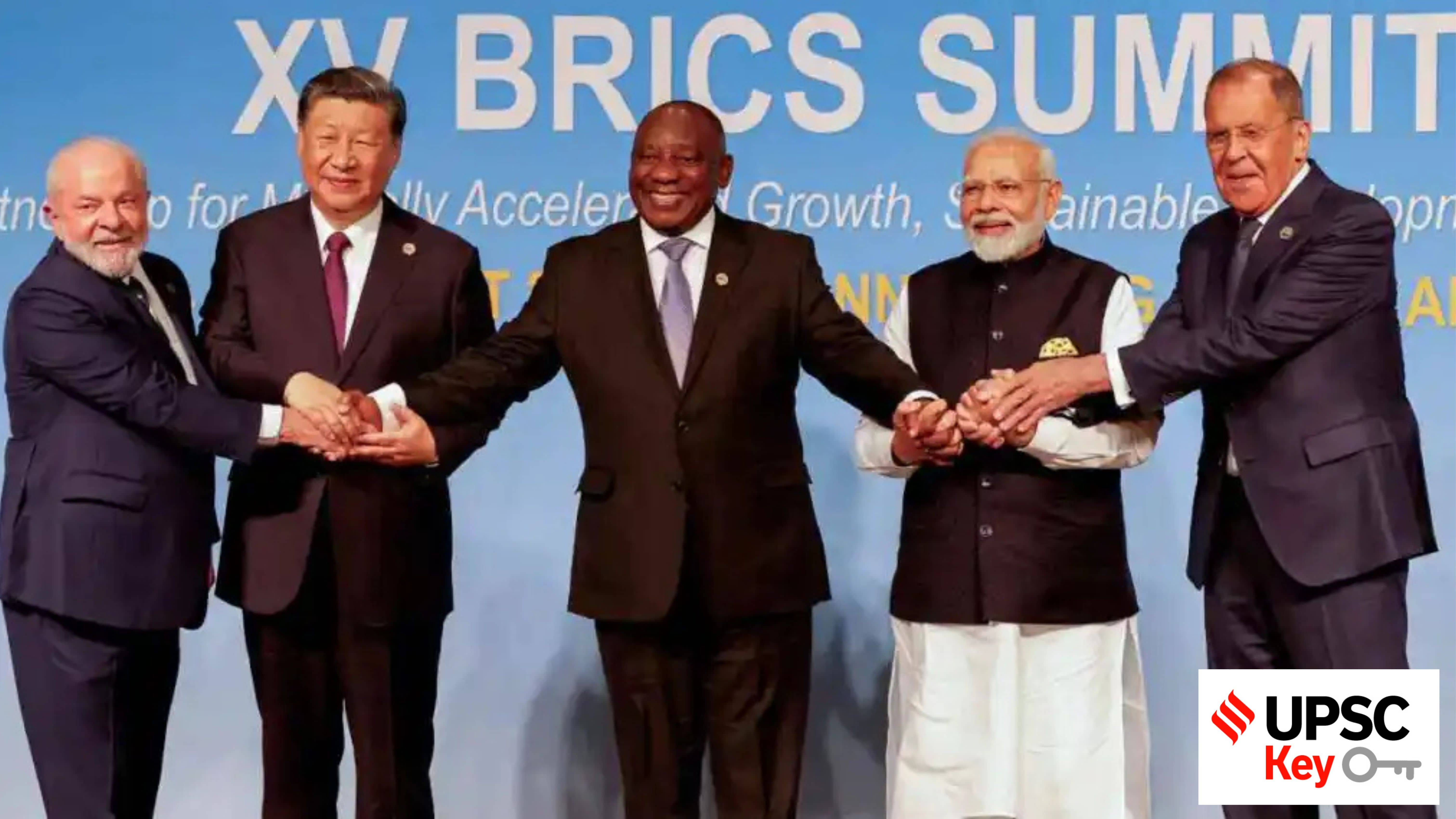
The Indian Express identified several specific geopolitical topics as significant for the UPSC Civil Services Examination. These include BRICS, the region of Keralam, and India’s Central Asia Policy. The article lists these subjects as primary areas of study for candidates preparing for both the preliminary and main stages of the examination.
The inclusion of India’s Central Asia Policy suggests a focus on New Delhi’s diplomatic and strategic engagements in that region. Similarly, the mention of BRICS points to the importance of this multilateral group in the context of global governance and international relations as they relate to Indian interests.
Domestic Issues and Historical Movements
Within the domestic sphere, the source highlights the Gorkhaland movement. The article explicitly asks why this movement is relevant to the UPSC exam, indicating that its historical and political dimensions are considered important for examination preparation.
Additional domestic topics identified include the government workforce and least developed countries. The publication notes that these subjects hold significance for both the preliminary and main examinations. Candidates are expected to understand the structure and dynamics of the Indian government workforce as well as the economic and political status of least developed countries in the global context.
Exam Preparation Guidelines
The Indian Express provided this list of topics in its "UPSC Key" for August 26, 2026. The article was written by Priya Kumari Shukla and published on August 27, 2026, with the initial publication date noted as August 26, 2026. The content is designed to guide aspirants toward specific readings and analytical frameworks required for the exam.
The source directs readers to consult the August 26, 2026 edition of The Indian Express for more detailed information on these subjects. It also references a previous UPSC CSE exam key from August 25, 2026, suggesting a continuous daily coverage of relevant current affairs and static topics.
The trade war between the United States and Canada remains a focal point due to its direct impact on global economic structures. The retaliatory measures taken by Ottawa demonstrate the reciprocal nature of modern trade disputes. For UPSC candidates, understanding these events requires not only knowledge of the specific tariff percentages and monetary values but also an analysis of the broader implications for international trade agreements.
The focus on India’s Central Asia Policy and BRICS underscores the importance of regional alliances in contemporary geopolitics. The Gorkhaland movement serves as a case study for understanding ethnic, linguistic, and political dynamics within India. Meanwhile, the attention to government workforce issues and least developed countries highlights the intersection of domestic administration and international development goals.
Aspirants are advised to integrate these diverse topics into their broader study plans. The connection between bilateral trade tensions like those between the US and Canada and India’s foreign policy interests is a critical area of inquiry. Similarly, the internal political movements in regions such as Darjeeling and the strategic partnerships in Central Asia provide essential context for understanding India’s position in both regional and global affairs.
The detailed breakdown of tariff definitions and trade histories provided by the source suggests that superficial knowledge may be insufficient. A comprehensive understanding of the economic mechanisms at play is necessary to answer questions related to the US-Canada trade war effectively. This includes analyzing the potential long-term effects on supply chains, diplomatic relations, and global trade norms.
The emphasis on specific dates and monetary figures in the source material indicates that precision is valued in examination responses. The $20 billion figure for both American and Canadian tariffs serves as a concrete data point for analysis. The 50% tariff rate imposed by the United States represents a significant escalation in trade policy, warranting close scrutiny in academic and competitive examinations.
The categorization of these topics under specific syllabus sections helps candidates prioritize their study efforts. General Studies II remains particularly relevant for understanding the global context of India’s interests. Current events of national and international importance form the backbone of the Preliminary Examination, requiring up-to-date and accurate information on ongoing developments.
The Indian Express continues to serve as a resource for tracking these evolving situations. The daily update format allows candidates to stay informed about new developments in trade policy, regional politics, and domestic governance. This consistent coverage supports the preparation process by providing structured analysis of complex topics.
The interplay between international trade disputes and India’s foreign policy strategy is a recurring theme in current affairs. The US-Canada trade war illustrates how bilateral tensions can have wider repercussions. India’s role as a member of BRICS and its engagement with Central Asia offer alternative frameworks for economic and diplomatic cooperation.
Understanding the Gorkhaland movement requires knowledge of historical grievances, political demands, and administrative responses. This topic connects to broader themes of federalism, regional autonomy, and identity politics in India. The relevance to the UPSC exam lies in its demonstration of these complex dynamics in action.
The government workforce and least developed countries represent different but equally important aspects of governance and development. Questions on these topics may cover structural issues, policy interventions, and international aid frameworks. Candidates must be prepared to discuss both the theoretical underpinnings and practical implementations of related policies.
The source material provides a clear roadmap for exam preparation. By identifying specific articles and analytical points, it helps candidates focus their reading on high-yield topics. The detailed questions posed by the source encourage deeper engagement with the subject matter rather than passive consumption of news.
As trade tensions evolve, the situation between the United States and Canada will likely remain a key topic of discussion. The retaliatory tariffs and the underlying motivations for the initial imposition will be subjects of ongoing analysis. This dynamic is relevant not only for understanding US-Canada relations but also for assessing the stability of global trade systems.
The strategic importance of Central Asia to India continues to grow. Issues related to connectivity, energy security, and counter-terrorism are central to this policy area. The mention of Keralam in the source may refer to regional development or political issues within the state, which are also part of the broader examination syllabus.
The integration of these diverse topics into a cohesive study plan is essential for success in the UPSC Civil Services Examination. The ability to connect international events with domestic implications and vice versa is a critical skill for candidates. The Indian Express provides the necessary framework and content to develop this competency.