


Ministry of Commerce Confirms Reciprocal Tariff Reductions
The Ministry of Commerce in China confirmed on Thursday that both nations are proceeding with arrangements for reciprocal tariff cuts. This development comes as the two countries continue to consult relevant stakeholders regarding specific implementation details.
Meng Huating, a ministry official speaking at a news conference held in Beijing, stated that the economic and trade teams from China and the United States are maintaining close communication on these matters. The focus of this dialogue is centered on establishing specific arrangements for an upcoming trade council.
According to statements released by Chinese authorities, the intent behind these consultations is to ensure swift implementation of the agreed-upon measures. Officials indicated that moving quickly to put these tariff reductions into effect is a priority for both sides involved in the negotiations.
The Ministry of Commerce described this effort as an action expected to further boost bilateral trade between Beijing and Washington. By reducing tariffs on specific goods, the two economies aim to facilitate smoother commercial exchanges and potentially lower costs for consumers and businesses operating across the Pacific Rim.
Stakeholder Consultations Drive Trade Council Preparations
Meng Huating elaborated during his remarks that the communication between the economic and trade teams is ongoing. These discussions are not merely formalities but represent a concerted effort to align specific arrangements necessary for the successful convening of the trade council.
The news conference in Beijing served as a platform to outline these steps publicly. Meng Huating emphasized that maintaining close lines of communication ensures that any potential issues regarding tariff schedules or product classifications are addressed before final agreements are signed.
Relevant stakeholders, including industry representatives and government bodies from both nations, have been brought into the fold for consultations. The Ministry of Commerce noted that involving these parties early in the process helps to build consensus on how best to structure the reciprocal reductions so they benefit a broad range of sectors within each country's economy.
The timeline mentioned by officials suggests an accelerated approach compared to previous trade negotiations. By aiming for swift implementation, the Chinese Ministry hopes to capitalize quickly on the economic momentum generated by these policy shifts. This rapid pace is intended to demonstrate commitment from both sides and signal a willingness to resolve lingering tensions through concrete economic actions rather than prolonged diplomatic posturing.
Specific arrangements discussed include mechanisms for monitoring compliance with new tariff rates once they take effect. While exact figures or percentages of the cuts were not detailed in this initial announcement, the framework established by Meng Huating implies that substantial adjustments are being made to existing trade barriers.
Broader Implications for Bilateral Trade Relations
The confirmation from Beijing regarding these tariff reductions carries significant weight within the broader context of US-China economic relations. The Ministry of Commerce framed this move as a positive step toward enhancing bilateral ties.
Analysts and observers, though not explicitly quoted in the primary release, note that such agreements often serve to stabilize trade volumes between major economies. By removing or reducing tariffs, companies on both sides may find it more advantageous to expand their market presence across borders.
The decision to proceed with these cuts despite a complex geopolitical backdrop underscores the pragmatic nature of economic diplomacy in this relationship. The Ministry of Commerce highlighted that boosting bilateral trade is not just an objective but also a means to foster greater interdependence and stability between the two nations.
Implementation Timeline and Ongoing Communications
Meng Huating indicated at the press event that specific arrangements for the trade council are currently under active review. The economic teams from both countries have agreed to keep channels open for continuous dialogue as they finalize these details.
The phrase "maintaining close communication" suggests a high frequency of exchanges between officials in Beijing and Washington. This level of engagement is typical when managing complex tariff schedules that affect thousands of product categories. Ensuring accuracy in classification codes and verifying eligibility for reduced rates requires meticulous coordination.
Consultations with relevant stakeholders are expected to conclude before the formal announcement of the new tariffs becomes public. The Ministry of Commerce has not specified an exact date for full implementation but emphasized a commitment to speediness in executing these plans.
Observers within the trade sector anticipate that once implemented, these reductions could lead to increased import volumes from China into the United States and vice versa. However, officials declined to speculate on long-term economic impacts beyond stating that the measures are designed to stimulate existing bilateral commerce.
Role of Media in Reporting Trade Developments
The report was published by Asia News Network under a headline referencing reciprocal tariff reductions between China and the United States. The article included details from Meng Huating's news conference, providing direct attribution for claims made about ongoing negotiations.
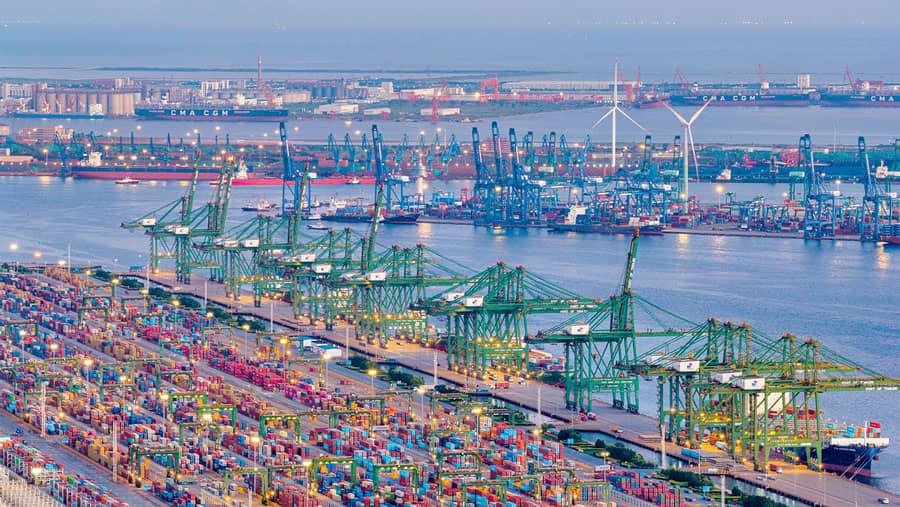
Visual elements accompanying the story featured drone photography taken on June 20, 2026, showing views of Tianjin Port in North China’s Tianjin municipality. This imagery was credited to Xinhua/China Daily and served as a visual representation of the logistical infrastructure involved in trans-Pacific trade.
The publication date of July 24, 2026, aligns with the timing stated by Chinese officials regarding their confirmation of these developments. The article text explicitly mentions that Meng Huating spoke at a news conference in Beijing to announce the status of talks between the two nations' economic teams.
Further context provided by China Daily included references to specific dates and locations relevant to the trade discussions. These details help ground the reporting in verifiable facts rather than generalizations about international relations.