

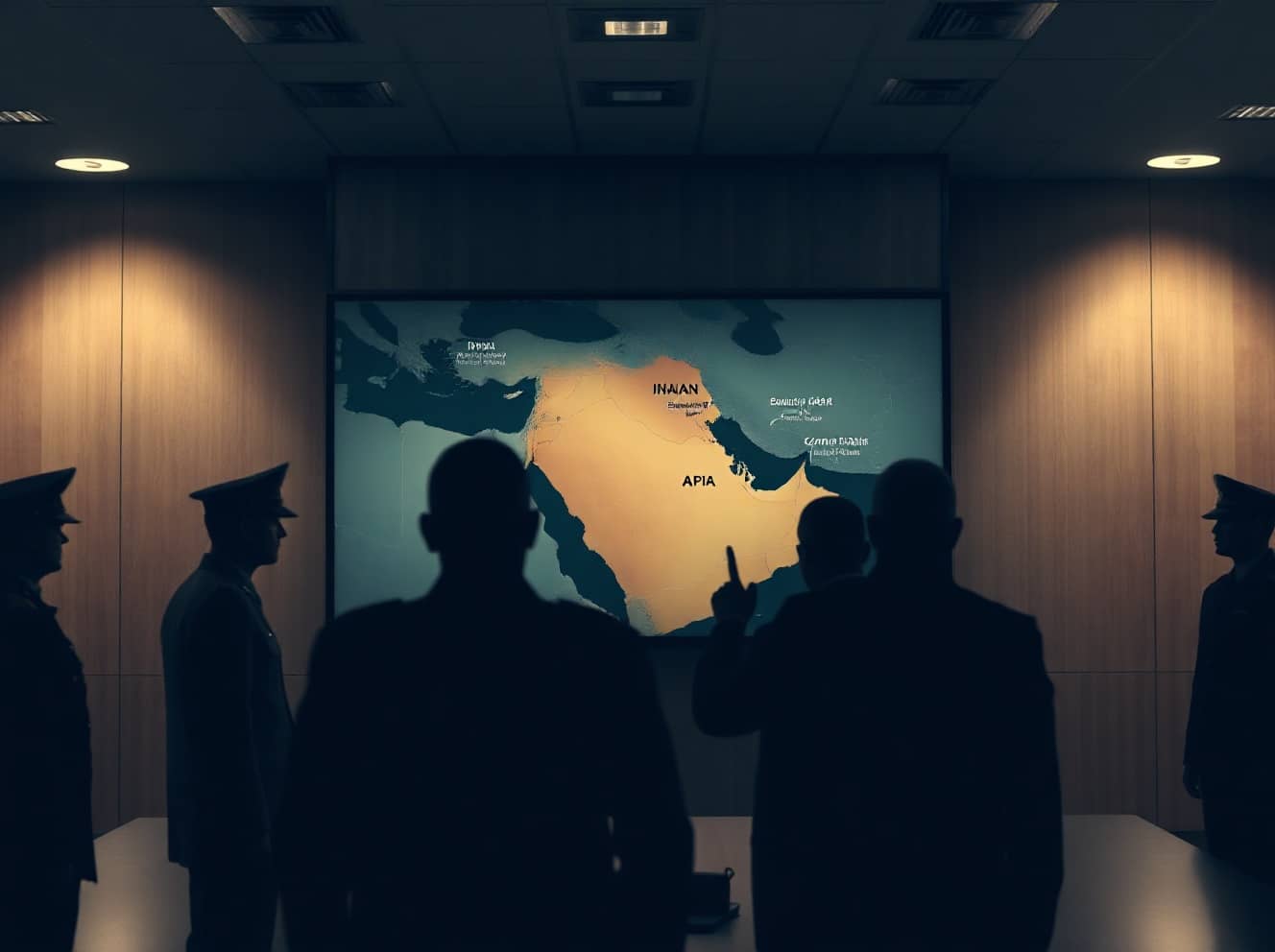

United States and Israeli officials are reported to have reached an agreement on a coordinated military strategy aimed at striking targets within Iran's energy sector. This development comes according to a report published by CBS News. The details of this strategic alignment remain unverified, as neither the United States government nor the Government of Israel has officially confirmed the existence or specifics of such a plan.
Shift From General Discussions To Concrete Planning
The reported agreement suggests that diplomatic and military conversations between Washington and Jerusalem have progressed beyond preliminary talks. Sources familiar with the internal discussions, who requested anonymity for fear of reprisal if their identities were revealed to officials or adversaries, indicate a transition in posture.
According to these unnamed sources, the two nations are no longer merely discussing potential courses of action but appear to be finalizing specific operational parameters. This shift implies that intelligence sharing and logistical coordination regarding an attack on energy infrastructure have moved into advanced stages of preparation. The report notes that this progression represents a departure from previous phases where strategic options were likely being debated in broader terms.
The sources cited by the CBS News outlet describe the situation as moving toward a concrete plan of action. This characterization suggests that specific targets may be identified and operational timelines might have been considered, although no official confirmation exists to validate these claims independently. The reliance on unnamed sources indicates the sensitivity surrounding the information being relayed to the public.
Potential Escalation In Ongoing Conflict
Analysts suggest that a coordinated strike against Iran's energy infrastructure would constitute a significant escalation in the ongoing conflict between Israel and forces backed by Tehran. Energy targets are often considered critical vulnerabilities, as attacks on oil fields, refineries, or pipeline networks can disrupt economic output and regional stability.
The potential for such an operation to escalate tensions is noted within the context of broader geopolitical maneuvering involving Iran-backed groups in the region. The conflict has seen various exchanges between Israel and Iranian entities over recent years, including missile barrages and drone attacks on Israeli territory, as well as cyber operations attributed to state actors.
While the exact nature of previous engagements is not detailed here beyond general descriptions of ongoing hostilities, the reported move toward a joint strike introduces new dimensions to the security calculus for both nations. The involvement of United States military assets or personnel in such an operation would mark a deepening of American entanglement in direct confrontation with Iran.
Uncertainty Regarding Timing And Scope
CBS News reports that as of the time of publication, specific details regarding when any potential attack might occur remain unclear. The scope of such an operation is also described as uncertain by sources cited in the report. This lack of clarity extends to whether the United States would conduct strikes alongside Israeli forces or if American assets would provide intelligence and logistical support from a distance.
The ambiguity surrounding these elements reflects the cautious approach typically maintained by governments when discussing sensitive military strategies before public disclosure. Officials often refrain from commenting on unconfirmed reports to avoid revealing operational secrets, which could compromise mission success or endanger personnel involved in planning phases.
Implications For Regional Stability
A coordinated attack targeting Iran's energy infrastructure carries implications that extend beyond the immediate theater of conflict. Such an operation could impact global oil markets if significant production capacity were to be disrupted, potentially leading to price volatility and economic repercussions for importing nations.
Regional actors, including neighboring countries in the Middle East, would likely monitor developments closely given their proximity to Iranian energy assets and their own security interests tied to regional stability. The involvement of United States forces could also alter dynamics with other international powers that maintain strategic partnerships or rivalries within the region.
The report does not provide information on how Iran might respond militarily, diplomatically, or economically if such a plan were executed as reported by CBS News. Nor are there details available regarding whether other nations have been consulted about potential consequences of an operation targeting critical infrastructure in another sovereign state's territory.
Reliance On Unconfirmed Sources
The reliance on unnamed sources familiar with discussions between US and Israeli officials underscores the difficulty journalists face when reporting on classified or sensitive military matters. These individuals often provide insights that help shape public understanding but cannot always be independently verified without risking their safety or violating non-disclosure agreements.
Journalists covering such stories must weigh the importance of informing the public against potential risks posed by publishing unconfirmed information about ongoing military preparations. The CBS News report, while citing multiple sources, does not name individuals directly involved in discussions to protect them from possible retaliation should their identities become known.
The absence of official comment from Washington or Tel Aviv highlights how governments manage narratives surrounding sensitive geopolitical events. Neither administration has issued statements addressing the reports circulating through media outlets like CBS News regarding plans for a joint strike on Iranian energy targets.