


Washington Provides Certainty on Tech Transfers
New Delhi has received explicit assurances from the United States regarding the stability of technology transfers critical to India’s industrial development. According to statements made by India’s IT Secretary S Krishnan, Washington has confirmed that access to granted technology will not be revoked once it is provided to New Delhi.
These assurances were delivered during the PAX Silica Summit, a forum dedicated to addressing concerns regarding supply chain resilience and trusted partnerships in the semiconductor sector. The statement by Krishnan was intended to mitigate anxieties within the Indian government and industry about the potential volatility of international technology sharing agreements.
The confirmation addresses specific fears that technological support could be withdrawn due to shifting geopolitical dynamics or regulatory changes in the United States. By stating that access will remain stable, the US has aimed to provide a predictable environment for India’s growing semiconductor ambitions.
Addressing Supply Chain Vulnerabilities
Indian officials have emphasized the strategic necessity of diversifying supply sources to protect national economic interests. Krishnan highlighted the risks associated with excessive dependence on a single source of supply, arguing that reliance on one nation or entity creates significant vulnerabilities in critical infrastructure.
The IT Secretary stressed the need for resilient and trusted supply chains as a fundamental component of India’s technological sovereignty. This perspective underscores a broader policy shift within New Delhi toward reducing external dependencies while simultaneously engaging with global partners like the United States to secure necessary resources.
India’s Quest for Semiconductor Self-Sufficiency
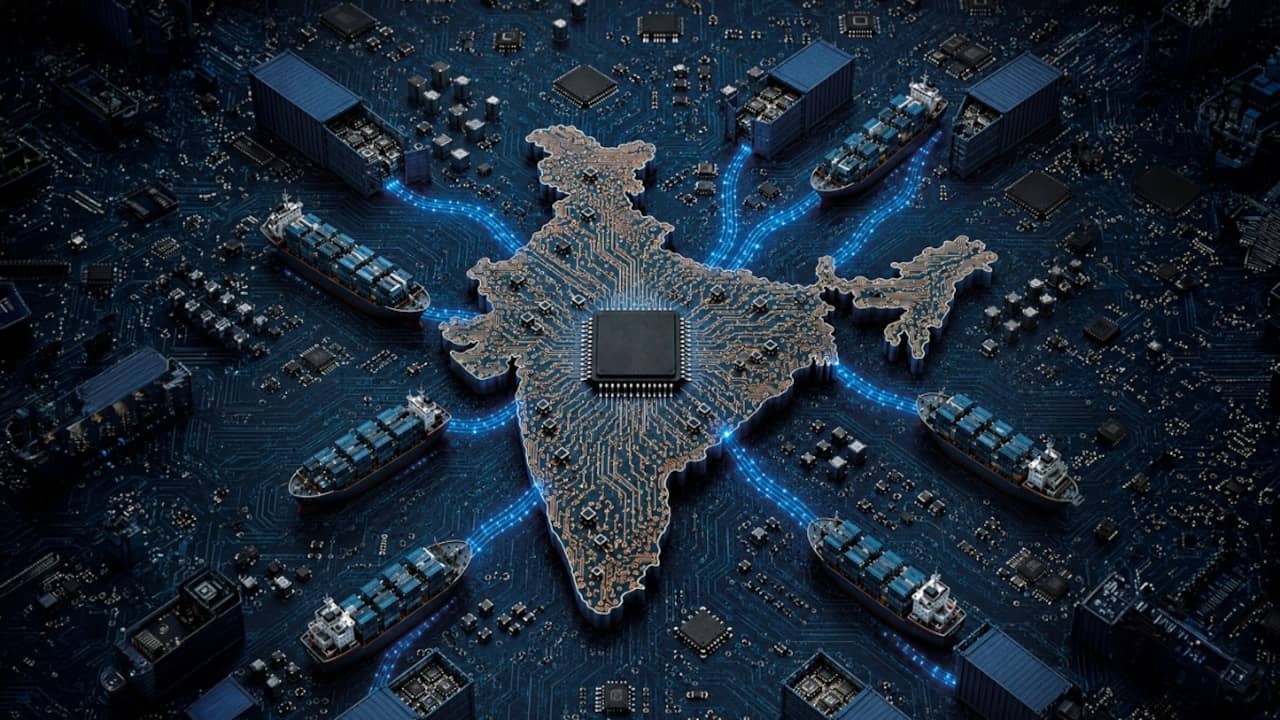
India is actively pursuing ambitions to establish its own "Silicon Valley," aiming to create a domestic ecosystem capable of competing on the global stage. However, current infrastructure and capabilities indicate that the equipment, materials, and technologies powering these initiatives largely originate from abroad.
The pursuit of self-sufficiency in semiconductor manufacturing remains a long-term goal. While India is taking shape as a player in this sector, the foundational elements required to produce silicon chips are not yet domestically sourced at scale. This reliance on foreign inputs defines the current stage of India’s industrial development in high-tech electronics.
The challenge lies in transitioning from a consumer and assembler of technology to a creator and manufacturer of core components. Indian officials argue that achieving this transition requires sustained investment and international cooperation, particularly in areas where domestic expertise is still developing.
Regulation Versus Innovation
A key point of contention in India’s technological policy framework involves the balance between oversight and growth. Indian officials emphasize the need for room for innovation within the technology sector, suggesting that excessive regulation could stifle development.
Krishnan argued that the time for heavy-handed regulation has passed, advocating instead for policies that foster an environment conducive to rapid technological advancement. This stance reflects a belief that regulatory frameworks must adapt to the pace of innovation rather than constrain it.
The debate over regulation is central to India’s strategy for building its semiconductor industry. Policymakers are navigating the complex task of ensuring security and compliance without impeding the agility required to compete in a fast-moving global market.
The Critical Role of Silicon Chips
Semiconductors are described as the "invisible nervous system" of modern economies. Their importance extends far beyond the technology sector, underpinning essential services and infrastructure that society relies on daily.
Silicon chips power a wide array of critical systems, including smartphones, automotive engines, digital payment platforms such as UPI (Unified Payments Interface), telecom infrastructure, and hospital monitors. The functionality of these diverse sectors is directly dependent on the continuous supply of semiconductor components.
The vulnerability of this supply chain was illustrated by scenarios where a disruption in chip supply could lead to widespread failures in economic and social functions. A sudden stoppage in the flow of silicon chips would impact everything from personal communication devices to life-saving medical equipment, highlighting the strategic importance of secure sourcing.
Implications for Economic Stability
The potential consequences of supply chain disruptions are severe. If the supply of a single component dries up, the effects ripple through the economy, affecting digital payments, transportation, and healthcare.
This reality drives India’s push for greater self-sufficiency and diversified partnerships. By securing guaranteed access to technology from allies like the United States, India aims to reduce the risk of such disruptions while it builds its domestic manufacturing capabilities.
The assurance of non-revocation of technology access serves as a temporary safeguard against external shocks. However, the long-term objective remains the development of an indigenous semiconductor industry that can operate independently of foreign supply chains.