


Defense Policy Recalibration Under Hegseth
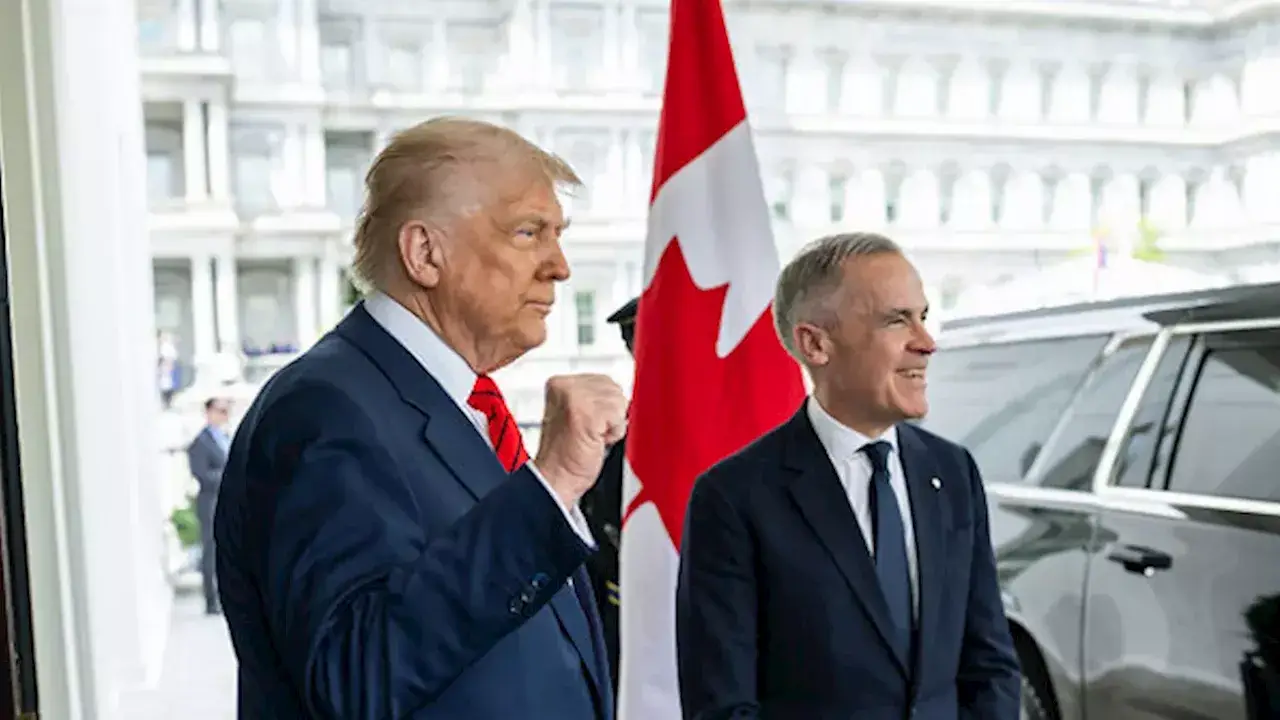
Canadian Prime Minister Mark Carney’s strategic realignment toward China and Europe has initiated a review of the security relationship between Canada and the United States, according to reports from Breitbart News. The friction centers on the Trump administration's response to what Washington perceives as a growing security threat originating from the north.
Reports suggest that Carney’s realignment risks economic decline and provokes a review of the close security relationship between Canada and the United States. Secretary of War Pete Hegseth has issued an alleged memo restricting specific aspects of the defense relationship with Canada, recent reports indicate. While detailed information regarding the memo remains shielded by conditions of anonymity, the guidance signals a shift in bilateral military cooperation.
The Department of War aims to ensure that all engagements with Canada advance tangible U.S. defense objectives and support a reinvigorated defense partnership prioritizing homeland security. Pentagon Spokesman Sean Parnell stated that the Department of War is prioritizing bilateral cooperation that strengthens the defense of the shared hemisphere.
Clarification on Alliance Obligations
Parnell clarified the scope of the new policy direction, noting that the guidance explicitly supports Canada's ability to meet existing NATO obligations without disrupting core alliances. He emphasized that current defense intelligence cooperation, binational NORAD command, and broader NATO cooperation remain unaffected by these changes.
The review comes amid heightened scrutiny of Carney’s administration. Ten days prior to the reports, Carney described the United States as a greater security threat than China, a statement that alarmed observers on both sides of the border.
Defenders within the Canadian government have insisted that Carney's comment was a misspoken error. However, Carney declined to elaborate or offer further clarification regarding the remark.
Border Security and Political Tensions
Concerns regarding the northern frontier have been echoed by other administration officials. Department of Homeland Security Secretary Markwayne Mullin stated during an event with Breitbart News in October that the northern border is becoming more of a problem due to weakness along the boundary.
Mullin argued that the area requires significantly more security measures to address emerging vulnerabilities, reflecting broader anxiety within the U.S. administration regarding the integrity of the northern frontier.
Tensions between the two nations have escalated following military talks held earlier this year, which marked the first such discussions in eight years. Additionally, the U.S. Embassy in Ottawa released a fact sheet two weeks ahead of the November midterm elections highlighting Canadian government efforts to influence American politics through official channels.
Several Canadian ministers and premiers openly described plans to sway political outcomes in official documents and public appearances. Industry Minister Mélanie Joly met with Democrat leaders in Boston and Chicago to discuss targeted strategies. Joly publicly stated that the government was targeting products in Republican-led states as part of this political maneuvering.
Carney's administration has also faced criticism for hiring Maia Johnson, a former staffer for Hillary Clinton.