


Strategic Shift Away from Russian Pipeline Supplies
For years, European leaders constructed their energy policy around a specific geopolitical principle: no nation should be permitted to utilize fuel supplies as a weapon. This stance was central to the justification for reducing dependence on Russian energy imports, a policy that had been debated for decades. The argument held that reliance on any single supplier, particularly one with a history of leveraging energy for political gain, created significant vulnerability to political coercion and strategic blackmail, undermining the continent's autonomy and stability.
The outbreak of the Ukraine war in 2022 served as a catalyst for a dramatic reshaping of the European Union's energy strategy. Prior to this period, a significant portion of the region's natural gas needs was met through extensive pipeline infrastructure originating from Russia. The conflict accelerated efforts to sever these long-standing ties, which had been built over decades, and to rapidly diversify supply chains to mitigate the profound geopolitical risk associated with Russian energy dominance.
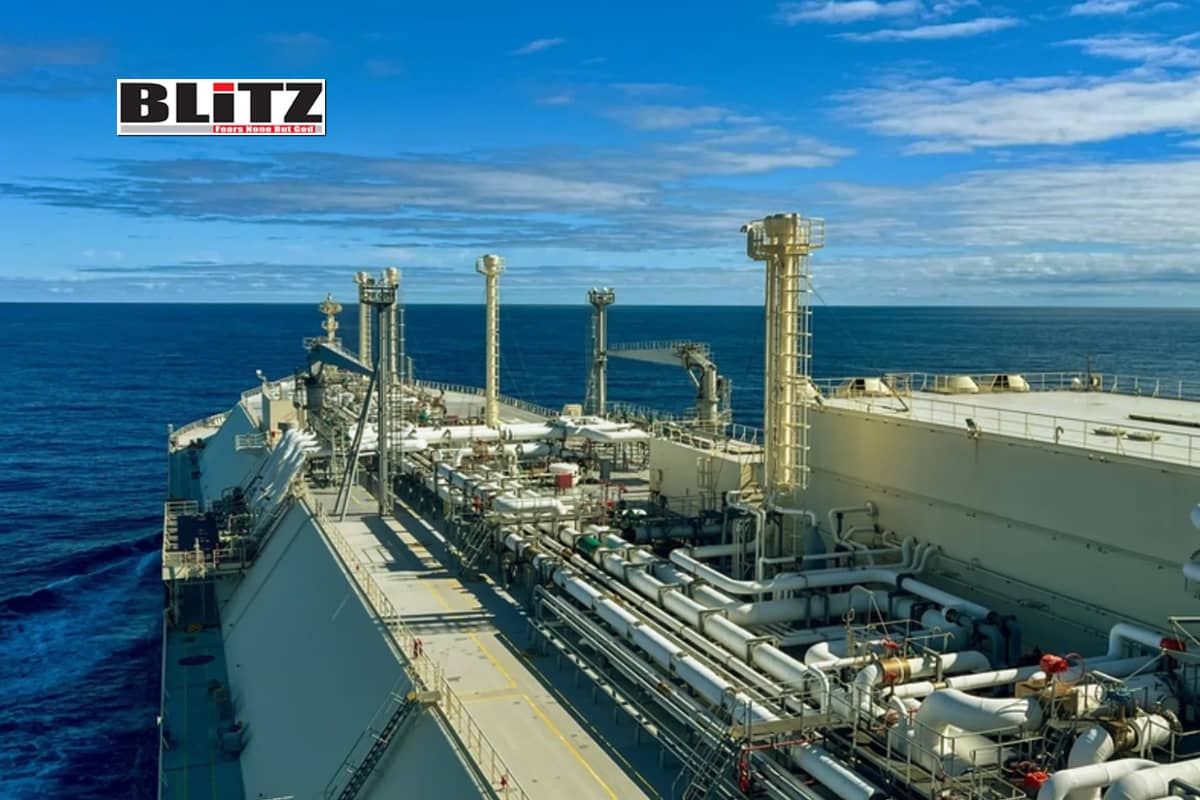
As part of this strategic pivot, the EU replaced a substantial amount of Russian pipeline gas with liquefied natural gas (LNG). This transition required the rapid development of new import terminals across the continent and the establishment of new shipping routes, primarily across the Atlantic. The shift represented one of the most significant alterations in European energy infrastructure in decades, fundamentally moving the continent away from its historical reliance on land-based pipelines and toward a more globally integrated, maritime-based energy transport system.
Europe's Rapid Infrastructure Adaptation
The urgency of the post-2022 energy crisis spurred an unprecedented pace of infrastructure development. Member states moved quickly to secure floating storage and regasification units (FSRUs) and to expand existing land-based terminals. This rapid expansion was critical to accommodate the influx of LNG tankers, transforming coastal regions into vital gateways for energy imports. The logistical and financial undertaking underscored the EU's commitment to rapidly disentangle itself from Russian energy, despite the considerable costs and challenges involved in reconfiguring an entire continent's energy supply architecture.
A New Geopolitical Energy Equation
A recent warning issued by the United States regarding LNG has exposed Europe's emerging dependence on American gas exports. The alert highlights the complex reality of energy security in a post-2022 landscape, where old vulnerabilities have been replaced by new ones. While the EU successfully reduced its reliance on Russian fuel, a key strategic objective, it simultaneously increased its reliance on suppliers from across the Atlantic, particularly the United States.
The warning underscores the interconnected nature of global energy markets and the intricate web of geopolitical relationships that underpin energy supply. It suggests that while Europe has addressed one significant geopolitical vulnerability by cutting ties with Moscow, it has become increasingly dependent on Washington for critical energy resources. This dynamic raises new questions about the long-term stability and resilience of European energy supplies and the leverage held by major exporting nations, even those considered allies.
The reliance on American LNG is not merely a commercial arrangement but has evolved into a strategic alignment. The volume of gas exported from the United States to Europe has grown considerably since 2022, transforming the US into Europe's largest single supplier of LNG. This growth reflects both the EU's urgent and substantial need for alternative supply sources and the United States' position as a major global producer and exporter of liquefied natural gas, capable of meeting a significant portion of Europe's demand.
The Nature of Transatlantic Energy Reliance
The shift from Russian pipeline gas to American LNG represents a fundamental change in the character of Europe's energy dependencies. While the previous reliance on Russia was often characterized by concerns over political manipulation and supply interruptions, the current reliance on the United States, though from an ally, introduces different considerations. These include the potential impact of US domestic energy policies, the stability of transatlantic shipping lanes, and the broader dynamics of the global LNG market, which can be subject to price volatility and competition from other major importers.
Implications for Energy Policy
The transition from Russian pipeline gas to American LNG has profoundly reshaped the geopolitical dynamics of European energy policy. The initial justification for this monumental shift was rooted in the desire to avoid fuel supplies being used as a geopolitical weapon, ensuring greater energy sovereignty. However, the current reliance on US exports introduces new dependencies that were not present, or at least not as pronounced, during the earlier phases of the energy crisis. This necessitates a re-evaluation of what true energy security entails for the continent.
The recent US alert serves as a timely reminder of the fragility inherent in these new, globally distributed supply chains. It indicates that energy security is an ongoing and evolving challenge rather than a resolved issue. The EU must now navigate a complex landscape where it is less vulnerable to direct Russian pressure but more integrated into, and thus potentially susceptible to, the dynamics of American energy markets and global LNG trade flows. This requires continuous strategic foresight and adaptation.
Market and Political Reactions to the Shift
The revelation of this heightened dependence has sparked significant discussion among policymakers, energy analysts, and industry stakeholders regarding the long-term sustainability and strategic implications of the current model. While the primary objective of reducing Russian influence was largely achieved, the cost of this achievement is a heightened reliance on transatlantic shipments and the associated market dynamics. This shift has profound implications for energy pricing, the availability of supplies during periods of high demand, and the broader diplomatic relations between the EU and the US.
The situation vividly illustrates the inherent trade-offs in geopolitical strategy. Actions taken to secure independence from one adversary can, by necessity, create new forms of dependence on an ally. The recent warning from Washington highlights that energy security remains a dynamic and contested field, requiring constant monitoring, proactive risk assessment, and continuous adjustment of policy frameworks to ensure resilience and strategic autonomy in a rapidly changing global energy landscape.