



The Geopolitical Triage Of Influence
As Washington's next political verdict looms, firms across Asia and particularly in the Philippines face a complex landscape defined by persistent tariffs, the growing specter of artificial intelligence (AI)-driven inequality, and heightened climate vulnerabilities. These interconnected factors are expected to profoundly shape investment flows, influence community consent mechanisms for new projects, and dictate strategic alignment across the entire Asia-Pacific region.
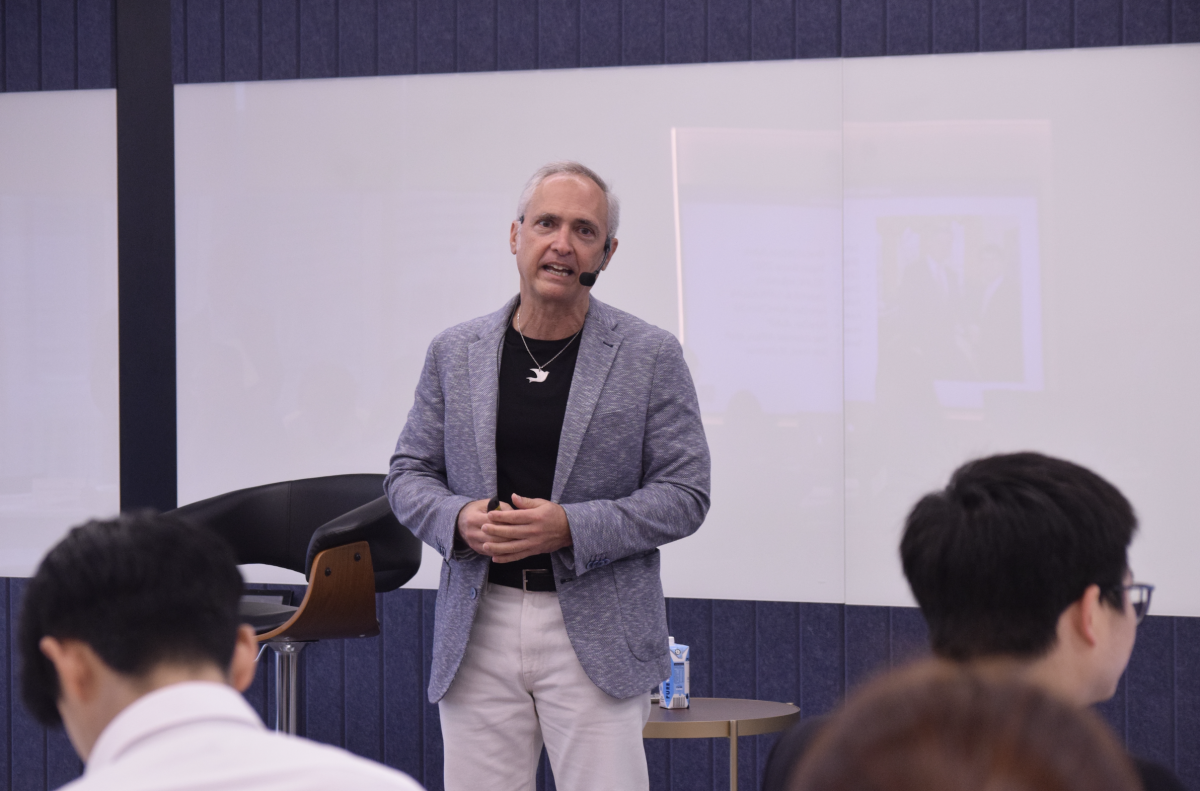
In a recent briefing to journalists at the International Trade Reporting Fellowship in Singapore, APAC Advisors Singapore CEO Steven Okun offered a nuanced perspective on the current global order. He described a world that is simultaneously unipolar, bipolar, and multipolar, challenging conventional geopolitical frameworks. According to Okun: "Geopolitics today is not a return to a two-power fight, it's a triage of influence." This 'triage' implies a dynamic environment where multiple centers of power exert varying degrees of sway, requiring nations to navigate a more intricate web of alliances and dependencies.
For the Philippines, strategically positioned at the intersection of long-standing US security ties, burgeoning Chinese economic influence, and the broader currents of Southeast Asian regionalism, the outcomes of the US midterm elections could prove pivotal. These elections have the potential to determine not only where international capital flows but also which domestic industries receive critical protection and how effectively local communities can weather the increasing disruptions caused by climate change. Okun's central observation highlighted a significant trend: many nations are increasingly "quiet quitting" their historical dependence on both Washington and Beijing, seeking greater autonomy and diversification in their international relations.
A Balancing Act In Regional Economics
This strategic balancing act is distinctly visible in the Philippines' approach to its international partners. The nation maintains deep and enduring security ties with the United States, exemplified by enhanced defense cooperation agreements and US access to strategic facilities within the archipelago. Simultaneously, Filipino officials are actively courting significant Chinese investment, particularly in critical infrastructure projects and expanded trade relationships, aiming to fuel domestic economic growth.
Okun stated that a midterm outcome empowering a more protectionist US trade posture could have direct and substantial implications for Filipino policymakers. Such a shift might compel them to accelerate the onshoring of critical sectors, bringing manufacturing and supply chain processes back within national borders. Furthermore, a protectionist US stance could prompt the Philippines to actively seek diversified trade and investment partners beyond its traditional allies and major economic powers. This strategic imperative would also likely lead to the implementation of robust domestic industrial policy measures specifically designed to protect local jobs and foster self-reliance in key economic areas.
Trade Protectionism's Ripple Effect on Climate Action
The potential for increased trade protectionism in the United States, stemming from the midterm elections, carries direct and indirect implications for climate actions, particularly those intertwined with global supply chains. Tariffs and other trade barriers fundamentally alter cost calculations for manufacturers and consumers alike, creating both significant risks and unexpected opportunities within various economic sectors.
Supply Chain Fragmentation and Rising Costs
One primary risk associated with a protectionist US trade posture is the potential for further fragmentation of global supply chains. Higher trade barriers, such as increased tariffs, could significantly raise costs for export-oriented electronics and semiconductor industries, which are crucial components in many modern technologies, including those essential for climate solutions like renewable energy systems and electric vehicles. These industries often rely heavily on complex regional inputs and cross-border manufacturing processes. Disruptions or increased costs in these supply chains could translate into higher prices for green technologies, potentially slowing their adoption and hindering global climate action efforts.
The Opportunity For Regional Hubs
Conversely, a protectionist environment could also present a unique opportunity for countries like the Philippines. As foreign companies seek alternatives to China for manufacturing and assembly, or look to reshore operations closer to the US market, the Philippines could emerge as an attractive destination. These firms might consider utilizing Philippine facilities for assembly, logistics, or as regional hubs, provided that the economic and regulatory conditions are favorable. This shift could potentially lead to new investments in manufacturing capabilities within the Philippines, some of which might be geared towards producing components for green technologies or adopting more sustainable production practices to meet international standards.
Navigating Climate Vulnerabilities Amidst Economic Shifts
Beyond trade and investment, the research notes highlight that the US midterm elections and their geopolitical fallout could exacerbate existing climate vulnerabilities. The interplay between shifting trade policies and climate resilience remains a primary concern for businesses operating across the Asia-Pacific region. As global economic dynamics evolve, the capacity of nations to invest in climate adaptation and mitigation strategies could be directly affected by changes in trade revenues, foreign direct investment, and access to critical technologies.
The emphasis on AI-driven inequality also adds another layer of complexity. While AI holds promise for climate solutions, its uneven adoption and the potential for job displacement in traditional sectors could create socio-economic disparities, making communities more vulnerable to climate impacts if they lack the resources or technological access to adapt. These dynamics will undoubtedly shape investment decisions and the mechanisms through which communities grant consent for development projects, often requiring a more robust consideration of environmental and social impacts in a rapidly changing geopolitical and climatic landscape.