



New Ferry Route Connects Northern Taiwan with Okinawa Prefecture
Taiwanese computer engineer Allen Chen booked passage on a newly launched overnight ferry service. The vessel departed from the port city of Keelung in northern Taiwan to reach Ishigaki Island, which is located within Japan's Okinawa prefecture.
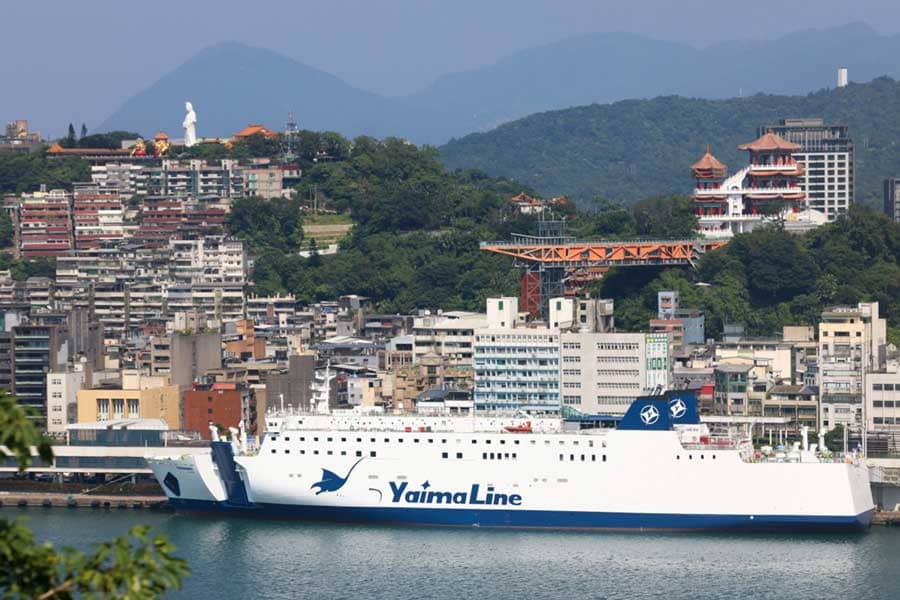
The Yaima Maru passenger and cargo ferry was observed docked at the Keelung terminal on May 28, 2026. Following this docking event, the ship proceeded with its scheduled launch to begin operations on the route connecting Taiwan and Ishigaki Island.
According to data provided by Asia News Network, the Yaima Maru carries a displacement of 21,688 tonnes. This specific passenger ship operates as part of the maritime transport infrastructure linking the two regions.
Voyage Duration and Operational Timeline
The journey between Keelung in Taiwan and Ishigaki Island requires eight hours to complete. The schedule allows for an overnight crossing, positioning the vessel as a tool for both commercial tourism and potential logistical support during transit times that span multiple daylight cycles.
Japanese Government Designation of Vessel for Crisis Response
The Japanese government has placed specific vessels on a list intended to facilitate evacuation efforts. The Yaima Maru is included in this roster alongside other maritime assets available to the state apparatus during emergencies or military blockades.
This designation indicates that the ferry serves a dual purpose beyond standard commercial operations. In times of crisis, the ship's capacity allows for the transport of Ishigaki island residents back toward mainland Japan.
The strategic inclusion of this specific vessel suggests an assessment of its reliability and range within the context of regional security planning. The government has identified this ferry as a critical component in ensuring population safety should access to the Okinawa region be compromised or if local infrastructure becomes untenable due to external threats.
Role During Military Blockades
The primary function assigned to the Yaima Maru during designated emergencies involves evacuating Ishigaki island residents. This role is explicitly tied to scenarios involving military blockades, where traditional supply lines or transport methods might be severed by hostile actors.
By maintaining a direct link between Keelung and Ishigaki Island, the ferry provides an alternative corridor for human movement. If mainland Japan becomes inaccessible via conventional means due to blockade conditions, this maritime route offers a pathway for residents to leave the island environment.
Operational Context of Regional Maritime Traffic
The deployment of the Yaima Maru on the Keelung-Ishigaki route establishes a new pattern in regional tourism and transport. The vessel operates as both a passenger ship and a cargo ferry, combining commercial viability with strategic utility.
Photographic evidence from AFP dated June 24, 2026, documents the presence of the Yaima Maru at Keelung during its operational phase. These images capture the physical reality of the vessel as it integrates into daily maritime schedules between Taiwan and Japan's southern territories.
The timing of these operations coincides with broader geopolitical discussions regarding regional stability in East Asia. The existence of a government-designated evacuation fleet highlights how commercial infrastructure can be repurposed for national security objectives without necessarily altering its primary function during peacetime.
Implications for Ishigaki Island Residents
Ishigaki island residents now have access to a vessel that the Japanese government has vetted and listed as an evacuation asset. This designation provides a layer of security assurance regarding transport options available in the event of regional instability.
The eight-hour voyage duration means that evacuees can be transported from Ishigaki Island to mainland Japan within a single operational window, provided weather conditions and port availability permit it during emergency scenarios.
Media Coverage and Public Reporting
Asia News Network published an article on July 12, 2026, detailing the dual nature of the ferry's role. The publication noted that while the ship functions as a tourist vessel for passengers like Allen Chen seeking weekend getaways, its strategic value lies in its potential use during crises.
The report emphasized the surprise element of such designations to commercial travelers who may not be aware of their vessels' inclusion in government emergency rosters. This lack of public awareness regarding specific evacuation lists remains a characteristic feature of how these assets are managed by state authorities.
Editorial Perspective on Strategic Assets
The article, authored by Yip Wai Yee for The Straits Times and distributed via Asia News Network, frames the situation through the lens of individual travelers versus government planning. It illustrates how a standard booking process for an eight-hour voyage occurs independently of high-level security designations.
Yip Wai Yee's reporting highlights that the vessel is seen docked in Keelung before launch on May 28, 2026. This specific date and location serve as factual anchors for understanding when these strategic assessments translate into visible operational readiness.