


Washington Signals Possibility of Near-Term Resolution
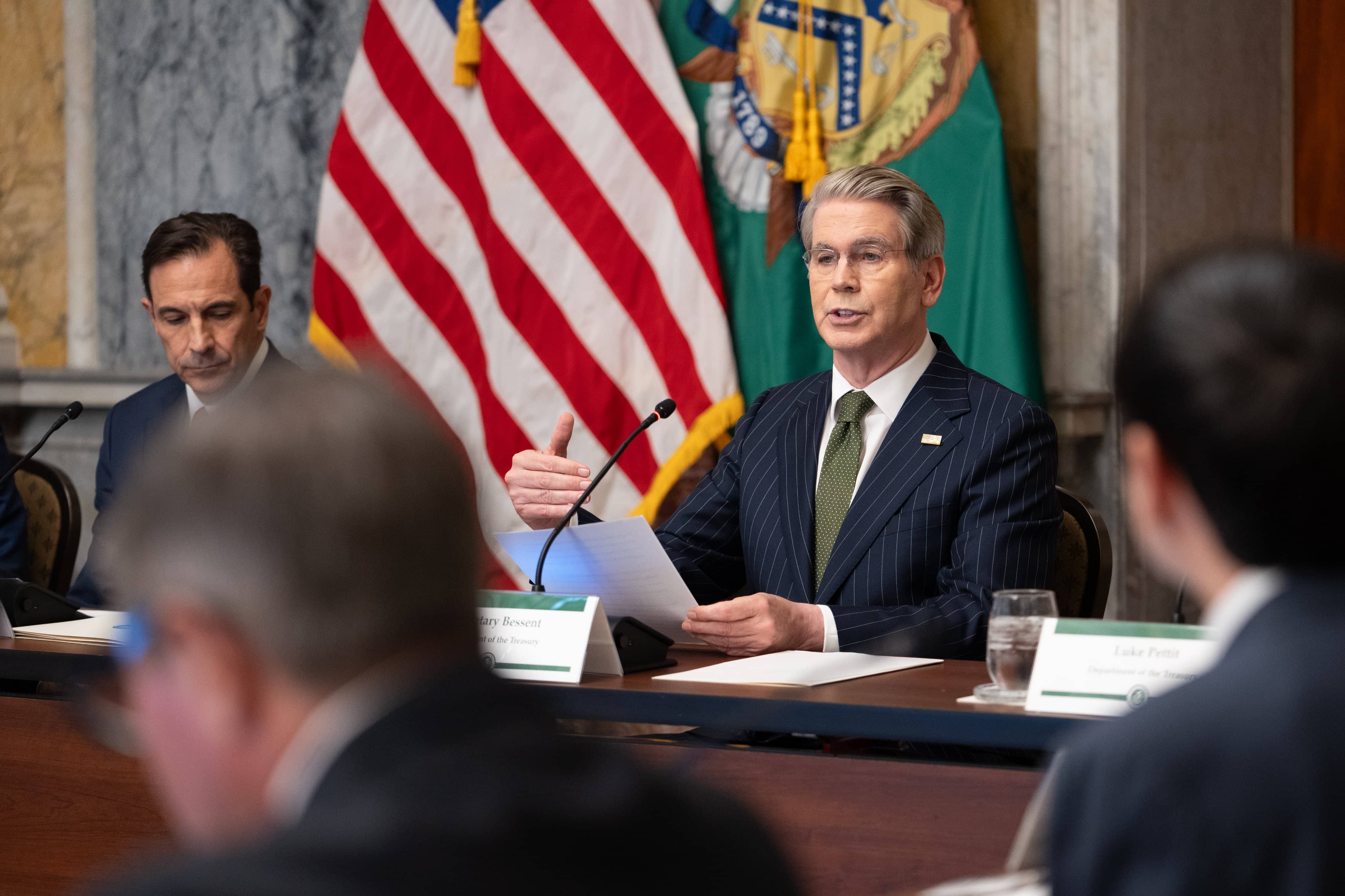
US Treasury Secretary Scott Bessent stated on Tuesday that negotiations with Iran regarding the Strait of Hormuz are active and a resolution could be imminent. Speaking in an interview with CNBC, as reported by Xinhua News Agency, Bessent indicated that officials believe a deal to reopen the waterway might be reached on Tuesday or Wednesday.
"We are in talks with the Iranians, and I think there is a chance we may have a deal today or tomorrow to open the strait and move towards a more normalised position in this conflict," Bessent said. His comments suggest that the US administration is prioritizing the immediate restoration of navigation rights as a step toward de-escalating the broader regional dispute.
When questioned by reporters about whether Iran would be permitted to impose tolls on vessels transiting the strait, Bessent emphasized that the agreement would guarantee "freedom of movement." He noted that the reopening of the channel is expected to have immediate economic effects, particularly regarding pricing. According to the Treasury Secretary, prices for various commodities should decrease once hundreds of ships currently stuck in the Gulf are able to exit.
Bessent clarified that the logistical impact of the strait extends beyond energy markets. The disruption affects a wide range of goods, including fertilizers, refined petroleum products, and industrial gases. The ability of commercial vessels to navigate the strait freely is viewed as critical for stabilizing supply chains for these specific materials.
Diplomatic Priorities and Mediation Status
US Secretary of State Marco Rubio reinforced the administration's tiered approach to diplomatic engagement with Iran. In remarks to reporters on Tuesday, Rubio distinguished between long-term strategic goals and immediate tactical objectives. He described the denuclearization of Iran as the "ultimate deal" for the United States.
However, Rubio identified the reopening of the Strait of Hormuz as the "immediate" priority. "So the denuclearisation of Iran is the ultimate deal. I think the immediate deal, the one that you see a lot of focus on, is the Strait," Rubio told reporters. He acknowledged that while no final agreement has been signed regarding the strait, US officials are "hoping that will happen very shortly." As of the time of these statements, Iranian officials have not publicly responded to the remarks made by Bessent or Rubio.
Qatar has confirmed that mediation efforts between the United States and Iran remain underway. Majed Al Ansari, adviser to Qatar's prime minister and spokesperson for the Ministry of Foreign Affairs, provided updates during a weekly press briefing on Tuesday. Al Ansari stated that draft language for a possible agreement is being exchanged between the two sides as regional mediators work to prevent further escalation.
Al Ansari clarified that there are no direct talks currently scheduled between US and Iranian officials. Instead, the process relies on intermediaries to facilitate communication. Despite the lack of direct dialogue, the Qatari spokesperson expressed hope that these mediation efforts would soon lead to the resumption of formal negotiations between Washington and Tehran.
Regional Implications and Current Status
The potential reopening of the Strait of Hormuz carries significant logistical implications for global trade. The strait serves as a critical chokepoint for maritime commerce, and its closure has resulted in hundreds of vessels being stranded in the Gulf region. The ability of these ships to exit is central to the economic arguments presented by US officials.
The focus on "freedom of movement" indicates that the proposed agreement aims to remove restrictions on navigation rather than establishing a toll system or other financial barriers imposed by Iran. This distinction was highlighted by Bessent to clarify the nature of the expected deal.
While the US and Qatar are actively working toward a resolution, the situation remains fluid. The exchange of draft language suggests that technical details are being negotiated, but no binding contract has been executed. The timeline provided by Bessent points to a potential breakthrough within days, specifically targeting Tuesday or Wednesday for a final agreement.
The broader conflict in the region continues to be monitored closely by international observers. The normalization of the position in the conflict, as described by the Treasury Secretary, would represent a shift from the current state of tension. However, until an official announcement is made confirming the deal, the strait remains under the constraints that led to the current disruption.
Qatar's role as a mediator highlights the regional dynamics at play. The Kingdom has positioned itself as a key facilitator in US-Iran relations, aiming to stabilize the area through diplomatic channels. The ongoing exchange of drafts indicates that both sides are engaged in the process, even if they are not yet speaking directly.
Market reactions to these developments have been noted, with Seoul shares extending gains amid Hormuz hopes, according to market reports. The potential easing of tensions is viewed as a factor that could reduce uncertainty in global markets, particularly for sectors dependent on energy and industrial gases.
The United States continues to monitor the situation closely. Secretary Rubio's distinction between the "ultimate" denuclearization goal and the "immediate" strait deal underscores the administration's strategy of addressing urgent economic and logistical issues first. This approach separates the immediate crisis management from the longer-term non-proliferation objectives.
As mediation continues, all parties are waiting for the finalization of the draft language. The hope expressed by Qatari officials that negotiations will resume soon remains the prevailing expectation among mediators. No further developments have been reported beyond the statements made by Bessent, Rubio, and Al Ansari.