

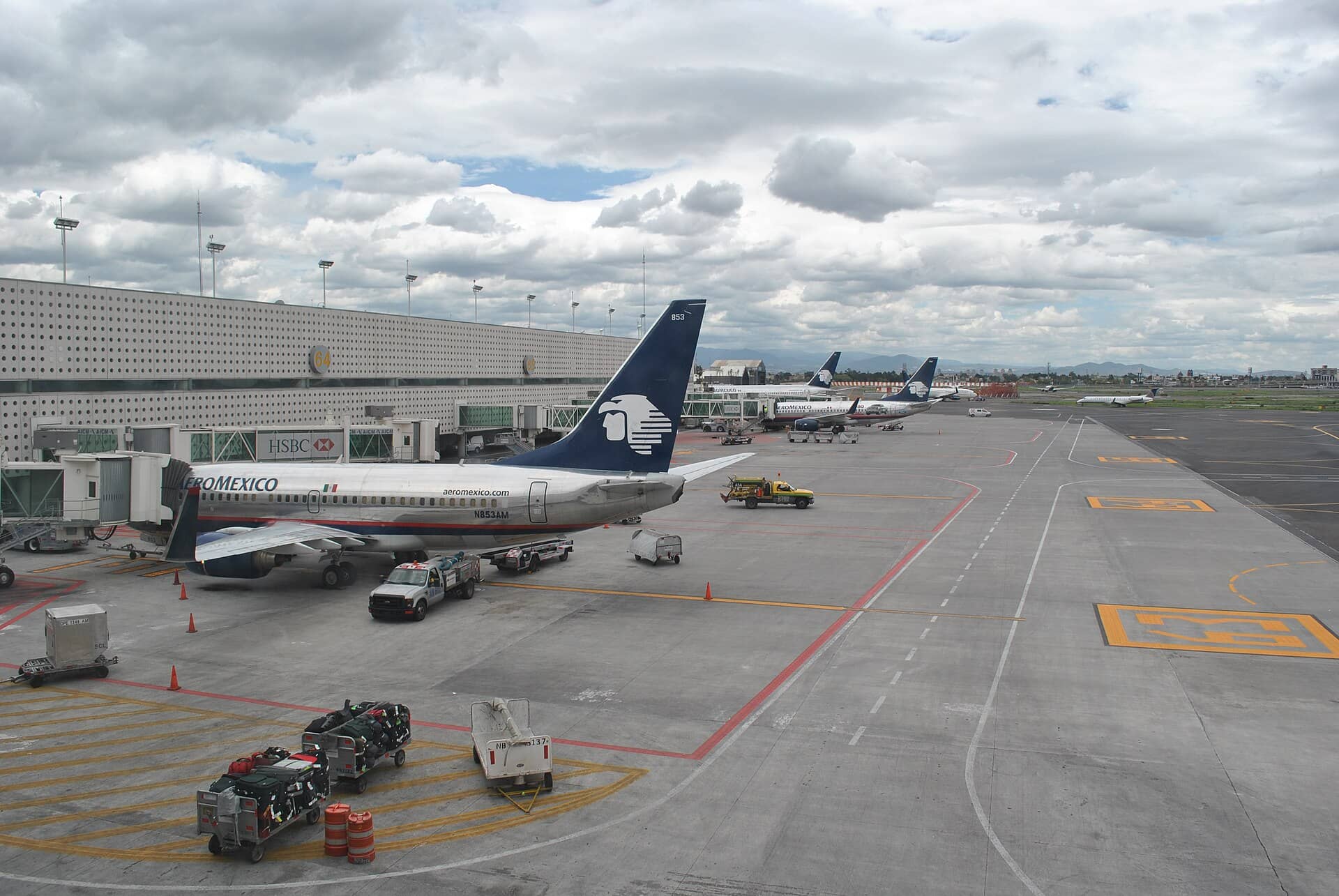

Washington Lifts Ban on Mexican Air Carriers After Diplomatic Resolution
The United States Department of Transportation officially revoked its October 2025 order on Friday, October 16, effectively removing the restrictions that had barred Mexican airlines from seeking new routes into the United States. The decision allows carriers based in Mexico to apply for new US routes originating from both of Mexico City’s primary airports, marking a significant shift in bilateral aviation policy.
The revocation comes precisely 12 days short of one year after the original restrictive order was issued on October 28, 2025. This timeline places the current development five months after an initial agreement was struck between the two governments in May, suggesting a prolonged period of diplomatic negotiation and monitoring before the final lifting of sanctions.
Mexico’s foreign affairs and transport ministries jointly announced the decision via a statement on gob.mx, which was subsequently reported by news agencies including EFE and El Heraldo de México. The announcement confirms that the regulatory barrier imposed by Washington has been dismantled, though it does not immediately guarantee an influx of new flights.
Origins of the Dispute: Slot Reassignments and Retaliatory Measures
The conflict that led to the October 2025 order stemmed from a complex dispute over airport operations in Mexico City. According to reports, Washington pointed to the reassignment of landing slots at the Benito Juárez International Airport (AICM) and the strategic move of cargo flights to the Felipe Ángeles International Airport (AIFA) as primary grievances.
Mexican authorities defended these operational changes, stating they were technical measures designed to improve safety and efficiency within the capital’s crowded airport system. However, US Transportation Secretary Sean Duffy characterized Mexico’s actions differently, alleging that Mexican officials had illegally cancelled and frozen flights operated by US carriers for three years without facing consequences.
In response to these allegations, the US Department of Transportation issued its order on Tuesday, October 28, 2025. This directive effectively cancelled approval for 13 current or planned routes of Mexican airlines, targeting major carriers including Aeroméxico, Volaris, and Viva Aerobus.
Impact on Airline Operations and Passenger Traffic
The original order had blocked 13 specific routes—comprising two existing operations and eleven proposed ones—as well as any future routes that might have been developed. At the time the order was implemented, bilateral traffic between the two nations was running above 35 million passengers annually, highlighting the substantial economic stakes involved in the dispute.
Despite the broad restrictions, existing flights were largely allowed to continue operating during the period of sanctions. The only notable exception involved two routes departing from AIFA, which were affected by the regulatory freeze. The order specifically stopped Mexican carriers from adding any new routes or flights from Mexico City’s AICM and AIFA airports.
As the restrictions are lifted, the immediate question remains how Mexican airlines will utilize the newly accessible market. No airline has yet announced specific routes, dates, or fares for the newly accessible flights. The industry is now waiting to see which carriers will move first to capitalize on the restored access.
Diplomatic Framework and Future Monitoring
The path to this resolution began on Tuesday, May 5, 2026, when Mexico’s foreign ministry announced an agreement with the US Transportation Department. According to reports from El Financiero, the department stated that Mexico had fixed most of Washington’s demands, including the return of AICM landing slots to US companies.
Following the May agreement, the US department closely monitored Mexico’s transport ministry to ensure compliance with the terms of the deal. The monitoring process appears to have been successful, leading to the current decision to revoke the punitive order.
Looking ahead, the relationship between the two nations' aviation sectors will likely remain under scrutiny. The department has indicated that US airlines may now bid for cargo slots at AICM, a significant opportunity for American carriers previously excluded from certain operational aspects of Mexico City’s airport system.
The joint statement released by Mexican ministries confirms the end of the immediate regulatory conflict, but the long-term dynamics of air travel between the two countries will depend on how both governments manage the technical and commercial details of slot allocation and route approvals in the coming months.