

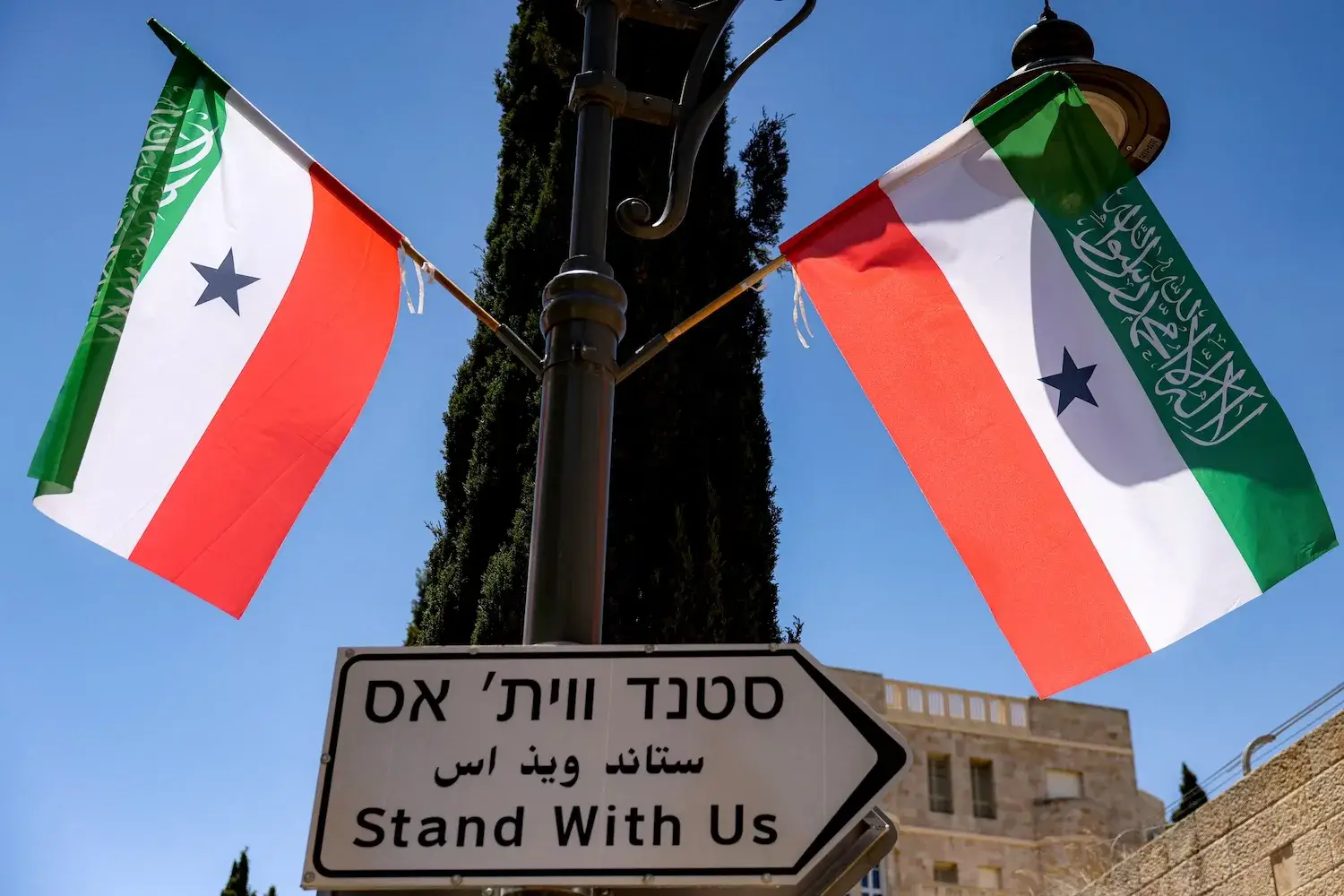

Strategic Calculus for Washington
A recent analysis published by Foreign Policy outlines a strategic argument for why the United States should formally recognize the self-declared Republic of Somaliland. The publication contends that such a diplomatic move would serve as a critical tool in confronting Iran and its allied militia, the Houthis. According to the article, recognizing Somaliland would help the United States confront Iran and the Houthis by altering the geopolitical landscape in the Horn of Africa.
The argument presented in the Foreign Policy piece suggests that American interests take precedence over the potential displeasure of U.S. allies who may oppose such a recognition. The publication posits that while regional partners might not welcome the decision, the strategic advantages for Washington outweigh diplomatic concerns with existing allies. This perspective frames Somaliland not merely as a local political entity but as a lever in broader Middle Eastern and African security dynamics.
Geopolitical Implications of Recognition
The Foreign Policy article, titled "Why the United States Should Recognize Somaliland," was published on September 4, 2026. The piece is categorized as an "Insider exclusive" within the publication's digital platform. It appears in the context of broader coverage regarding international relations, specifically touching upon regions including Asia & the Pacific, China, the Middle East, Africa, the Americas, and Europe.
The core assertion relies on the premise that formal diplomatic recognition would provide tangible benefits to U.S. national security objectives. The article explicitly links this diplomatic shift to the capability of the United States to counter Iranian influence and the military activities of the Houthi movement. By establishing direct ties with Somaliland, Washington could potentially expand its operational footprint in a region that has become increasingly significant due to shipping lane security and regional power struggles.
Regional Security Dynamics
The analysis connects the status of Somaliland directly to the ongoing tensions involving Iran. The publication suggests that the Horn of Africa serves as a critical theater where U.S. interests intersect with Iranian ambitions. Recognizing Somaliland is presented as a means to bolster American presence in this area, thereby creating a counterbalance to Iranian-aligned forces.
The Houthis, a group operating primarily in Yemen but with ties to regional networks, are identified as a key adversary in this strategic framework. The article argues that U.S. recognition of Somaliland would contribute to efforts aimed at containing or confronting the capabilities and reach of the Houthis. This connection implies that diplomatic recognition is viewed not just as a symbolic act but as a functional component of military and intelligence strategy against non-state actors backed by Tehran.
Alliance Friction and National Interest
The Foreign Policy analysis acknowledges that the proposed policy shift would generate resistance from other nations. The text states that "U.S. allies won’t love it," indicating that traditional partners may view the recognition of Somaliland as destabilizing or contrary to their own diplomatic positions, particularly regarding Somalia. Despite this anticipated opposition, the argument maintains that American interests must come first.
This stance prioritizes unilateral strategic goals over multilateral consensus. The publication suggests that Washington should proceed with recognition regardless of allied objections, framing the move as essential for addressing immediate security threats posed by Iran and its proxies. The article does not detail specific counter-arguments from Somali officials or other regional governments, focusing instead on the potential benefits to U.S. power projection.
Context of Publication
The Foreign Policy article is part of a broader editorial effort that includes coverage of global events such as floods in Nepal, attacks in the Strait of Hormuz, and oil deals involving Venezuela. The publication’s navigation and content structure indicate a focus on high-level geopolitical analysis. The specific argument regarding Somaliland is presented alongside other major international developments, suggesting it is viewed as a significant shift in U.S. foreign policy potential.
The article is accessible to subscribers of Foreign Policy, with options to download PDFs or gift copies to others. It is tagged under the "Middle East & Africa" region, reinforcing its classification within the context of regional security and diplomatic strategy. The publication date of September 4, 2026, places this analysis in a contemporary geopolitical landscape where U.S.-Iran tensions remain a central focus of American foreign policy.
Operational Considerations
The argument for recognition hinges on the utility of Somaliland as a partner in countering Iranian influence. The Foreign Policy piece implies that existing diplomatic channels with Somalia may be insufficient or compromised by Iranian interests, necessitating a direct relationship with Somaliland. This would allow the United States to bypass traditional state structures in Mogadishu and engage directly with a local administration that has maintained relative stability and independent governance.
The analysis does not provide historical background on Somaliland’s declaration of independence or its internal political structure beyond its relevance to U.S. strategic interests. Instead, it focuses exclusively on the forward-looking implications of diplomatic recognition for American security objectives. The publication presents this as a clear imperative: recognizing Somaliland is a means to an end, specifically the confrontation of Iran and the Houthis.
Strategic Alignment
The Foreign Policy article aligns the recognition of Somaliland with broader U.S. efforts to contain Iranian expansionism in the Middle East and Africa. By highlighting the connection between Horn of Africa diplomacy and Red Sea security, the publication suggests that Washington’s strategic options are limited unless it engages directly with Somaliland. The argument concludes that American interests justify the diplomatic risk, even if it strains relations with allies who oppose such a move.
The text emphasizes that this is an argument for action, not merely an observation of current conditions. It calls for a proactive U.S. policy shift that leverages recognition as a strategic asset in the ongoing geopolitical contest with Iran. The publication frames this as a necessary step for maintaining American influence and security in a region increasingly contested by adversarial powers.