


Disparities Between Stated Priorities and Policy Actions
The ongoing war with Iran has exposed a widening strategic gap between Washington’s stated prioritization of the Indo-Pacific region and the military, economic, and diplomatic policies required to sustain U.S. leadership there. According to Andrew Yeo, a senior fellow at the Brookings Institution’s Center for Asia Policy Studies, this disparity highlights challenges in maintaining consistent geopolitical focus across multiple theaters.
Yeo, who holds the SK-Korea Foundation Chair in Korea Studies, published his analysis on September 2, 2026. His assessment suggests that the demands of the conflict in the Middle East are creating resource and attention deficits for U.S. engagements in Asia. The Brookings Institution article, titled "The Iran war and America’s widening strategy gap in Asia," argues that while the Indo-Pacific remains a stated priority, the practical implementation of policies to support that priority is being strained by concurrent commitments elsewhere.
The analysis indicates that this gap is not merely theoretical but has tangible implications for regional security architectures. The divergence between political rhetoric regarding the importance of the Indo-Pacific and the actual deployment of diplomatic and military assets creates a vacuum that adversaries may seek to exploit. Yeo’s work underscores the difficulty of managing simultaneous high-intensity conflicts while maintaining long-term strategic commitments in other regions.
Implications for Deterrence on the Korean Peninsula
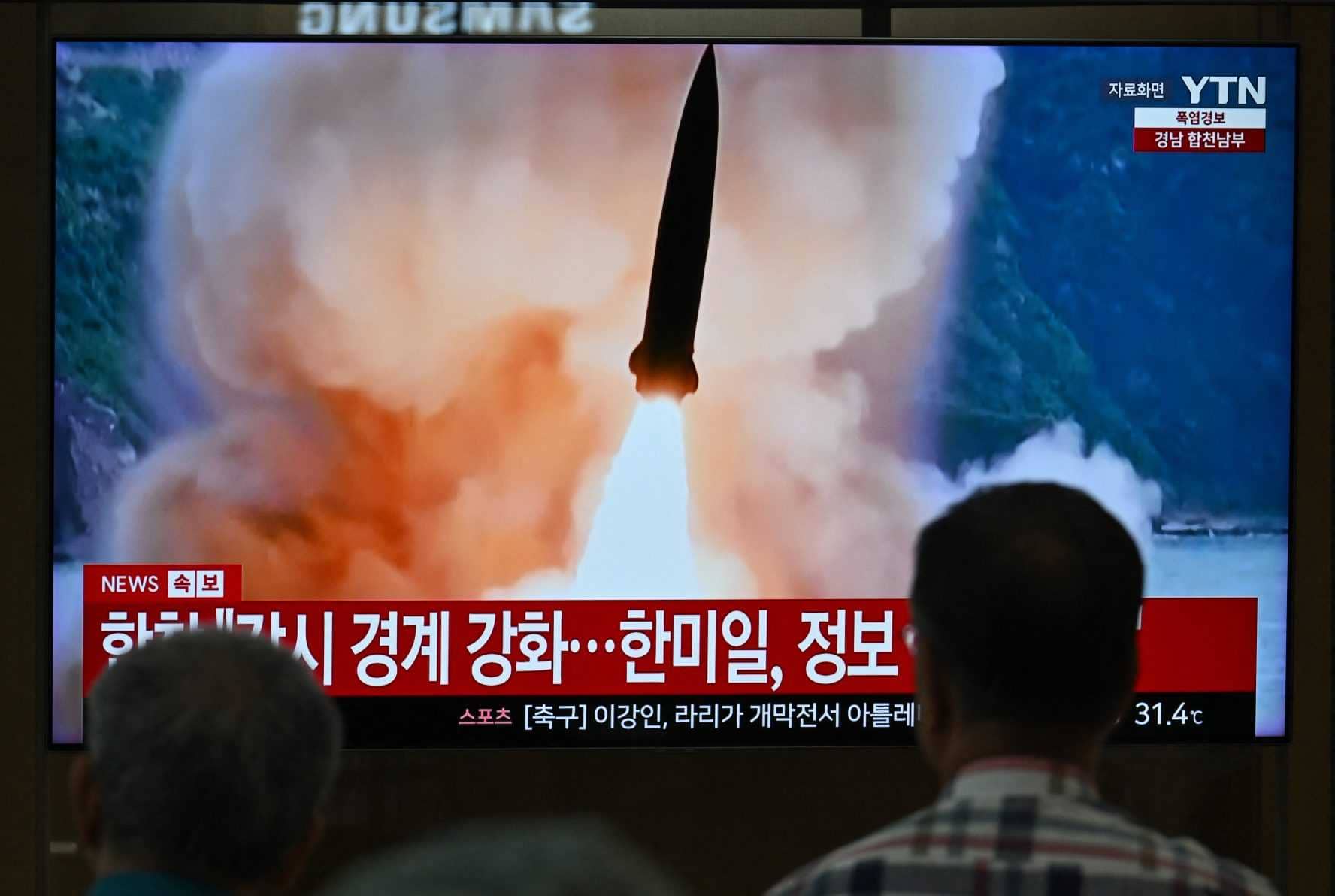
One specific area where this strategic gap is manifesting is on the Korean Peninsula. The analysis notes that scaled-back military exercises in the region could weaken deterrence capabilities against North Korea. These exercises are a critical component of the security alliance between the United States and South Korea, serving as a visible demonstration of commitment and operational readiness.
Reductions in the scope or frequency of these joint drills, potentially driven by the need to divert resources to the conflict with Iran, may signal a reduction in U.S. resolve to other regional actors. The Brookings report suggests that such scaling back could embolden Pyongyang, altering the calculus of deterrence that has historically prevented escalation on the peninsula.
The potential weakening of deterrence is linked directly to the broader strategic overextension caused by the Iran conflict. If the United States cannot maintain its traditional posture of robust military engagement in Asia due to commitments in the Middle East, the security guarantees provided to allies may be perceived as less reliable. This perception risk is a central concern in the assessment of U.S. strategic capacity.
Reinforcement of North Korean Nuclear Convictions
Beyond immediate military postures, the conflict with Iran is also influencing ideological and strategic beliefs within North Korea. According to the research notes derived from Yeo’s analysis, Iran’s experience in its current war may strengthen North Korea’s conviction that nuclear weapons are vital for regime security.
The observation suggests that Pyongyang is drawing lessons from Tehran’s situation, potentially interpreting the conflict as validation of the necessity of nuclear deterrence. If North Korean leadership concludes that conventional forces are insufficient against a major power like the United States, and that only nuclear capabilities can ensure survival, this could lead to accelerated nuclear development or more aggressive posturing.
This dynamic creates a secondary strategic challenge for Washington. The war in Iran is not just a direct conflict but also an indirect catalyst for regional security shifts in Asia. The reinforcement of nuclear deterrence doctrines in North Korea complicates future diplomatic and military options for the United States, further widening the gap between its strategic goals and its operational reality.
Economic and Diplomatic Policy Strains
The strategy gap extends beyond military exercises to encompass economic and diplomatic policies. Maintaining U.S. leadership in the Indo-Pacific requires sustained economic engagement, trade agreements, and diplomatic partnerships that counterbalance Chinese influence. The diversion of attention and resources to the Iran war threatens the continuity of these efforts.
Yeo’s analysis implies that without a coherent policy framework that addresses this disparity, U.S. influence in Asia may erode. The inability to simultaneously project power in the Middle East and reinforce alliances in Asia represents a significant strategic dilemma. The Brookings Institution publication serves as a critical examination of how concurrent conflicts can undermine long-term geopolitical objectives.
The article calls attention to the need for policymakers to reconcile these competing demands. It suggests that the current approach may be unsustainable, leading to a decline in U.S. leadership credibility if not addressed. The widening gap is thus characterized by both immediate security risks on the Korean Peninsula and long-term strategic erosion in the broader Indo-Pacific region.