


Vancouver Boosts 2026 Election Spending to Address Access Concerns
The City of Vancouver has committed a substantial budget of $9.4 million for the administration of the upcoming 2026 civic election. This significant financial allocation represents more than double the expenditure from the previous municipal vote held four years prior, underscoring a strategic shift in the city's approach to election management and voter engagement.
The increased funding is specifically earmarked to create an expanded operational framework designed to enhance voting capacity and significantly improve accessibility for all residents across the city. This proactive measure aims to address previous logistical challenges and ensure a smoother, more inclusive electoral process for the electorate.
Expanded Voting Opportunities and Workforce Preparedness
Voters participating in the 2026 civic election, scheduled for Saturday, October 17, 2026, can anticipate a considerably larger and more robust operational setup at voting locations compared to past cycles. The city's plans include the deployment of a greater number of polling places throughout Vancouver, alongside a major expansion of advance voting opportunities to provide residents with more flexibility in casting their ballots.
Beyond increasing physical access points, the budget also supports the introduction of additional accessibility measures, specifically designed to better accommodate disabled voters and ensure their full participation in the democratic process. Furthermore, a larger and more secure elections workforce will be recruited and trained to manage the complex logistics of the vote. This includes personnel dedicated to ensuring the security and integrity of the election process.
City officials have highlighted that these enhanced resources are essential to effectively manage the comprehensive electoral process, which will see residents elect a mayor, 10 positions on the Vancouver City Council, seven members for the Vancouver Park Board, and nine trustees for the Vancouver School Board. The expanded operational scope reflects a commitment to modernizing and strengthening municipal election administration within the city limits.
Financial Scope and Comparison to Provincial Elections
The $9.4 million budget specifically covers the extensive costs associated with administering and operating the 2026 civic election. City staff have noted that, despite its substantial increase from previous municipal spending, this projected expenditure does not include a contingency fund for any unforeseen costs or emergency situations that might arise during the election cycle.
This level of financial commitment places Vancouver's municipal election spending in a comparable range to that of higher-level government elections within its boundaries. For instance, Elections BC typically spends approximately $10 million to administer provincial general election operations specifically within Vancouver’s municipal limits. This comparison suggests the city's ambition to align the logistical robustness and voter experience of its civic elections with those of provincial general elections, aiming for a consistent standard of electoral service.
Lessons Learned from the April 2025 By-Election Delays
The decision by the City of Vancouver to significantly increase its election budget stems directly from widespread public and media criticism following the logistical challenges encountered during the April 2025 by-election. This specific vote was held to fill two vacant seats on the Vancouver City Council, yet it inadvertently exposed critical shortcomings in the city's existing electoral infrastructure and administrative capacity.
Voter Frustration and Operational Shortcomings
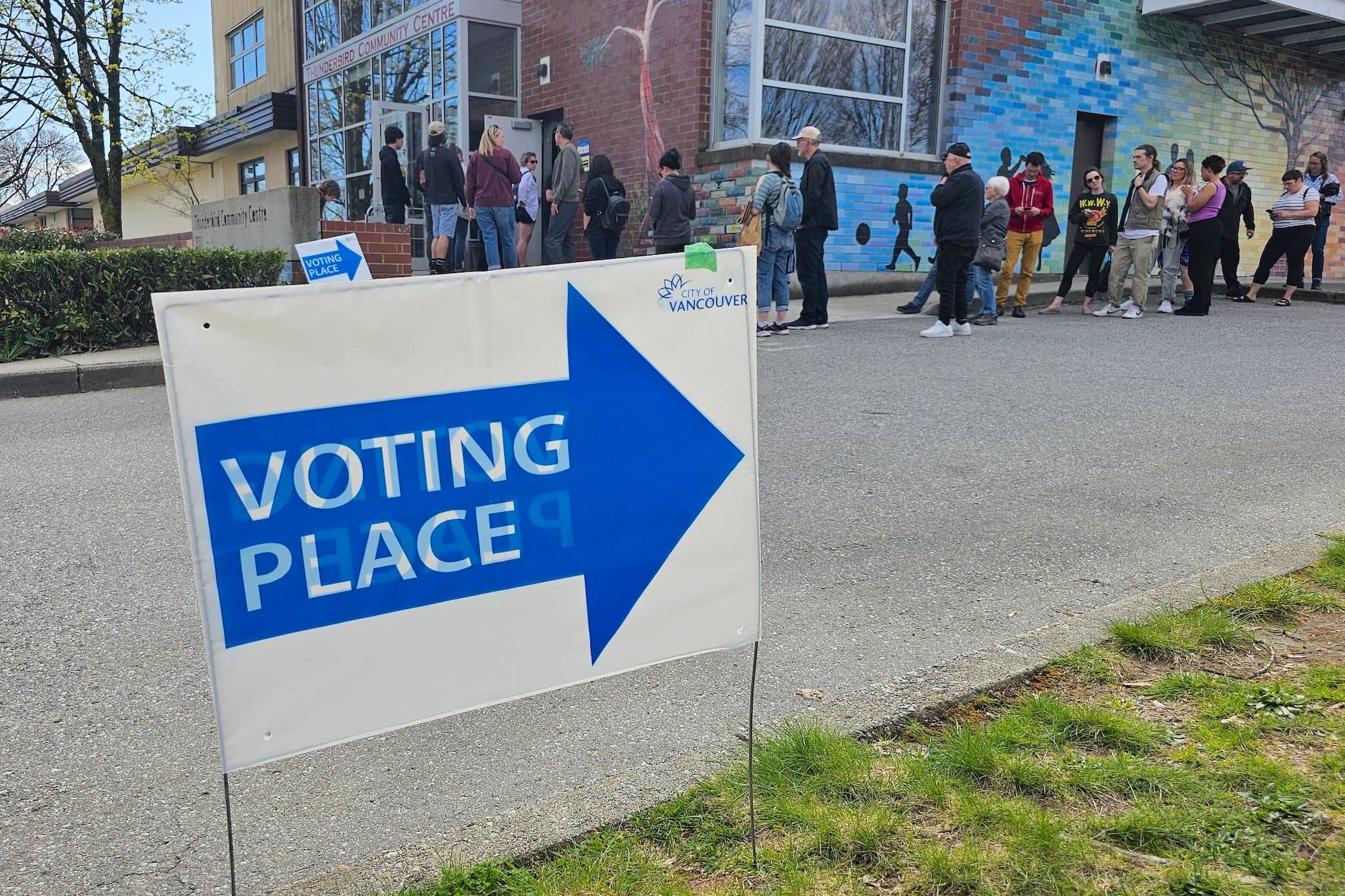
During the by-election, numerous voters reported experiencing hours-long lineups at various polling stations across the city. Photographic evidence circulated widely, depicting extensive queues at locations such as the Thunderbird Community Centre, which became a focal point of public frustration. These prolonged wait times not only deterred some potential voters but also generated significant negative feedback from both residents and media outlets, highlighting a need for urgent reform.
The operational difficulties observed during the April 5, 2025, by-election prompted an immediate and thorough reassessment by the city of its entire voting infrastructure. The aim was to identify points of failure and develop comprehensive solutions to prevent a recurrence of such delays in future electoral events, particularly the larger-scale 2026 civic election, which involves more offices and potentially higher voter turnout.
Strategic Shift Towards Enhanced Accessibility
The substantial increase in the 2026 election budget is a direct response to these past criticisms and a proactive measure to prevent similar issues. By allocating funds for more polling places, increasing advance voting opportunities, and implementing additional accessibility measures, the city intends to mitigate the bottlenecks and improve the overall voter experience. The expanded workforce, including security personnel, is also a measure to ensure efficient crowd management and maintain order, directly addressing the operational strains witnessed previously.
This strategic shift underscores the city's commitment to ensuring that the democratic process is not hindered by logistical inefficiencies. The goal is to make voting as convenient and accessible as possible for all eligible residents, thereby encouraging broader participation in the selection of Vancouver's municipal leadership and restoring public confidence in the electoral system.
Early Contours of the 2026 Municipal Race
Even with the 2026 civic election still over a year away, the political landscape is already taking shape, drawing considerable attention from various political parties and independent candidates. The increased budget for election administration is set against a backdrop of intensifying political maneuvering and early campaign announcements, indicating a competitive contest ahead.
Party Strategies and Candidate Announcements
Several political developments have already signaled the competitive nature of the upcoming race. Notably, labour council members have publicly urged two Vancouver mayoral candidates to withdraw from the contest in favor of OneCity’s William Azaroff, indicating early attempts at strategic consolidation within certain political blocs to present a unified front.
Further demonstrating efforts to streamline candidate slates, Vancouver’s three left-wing parties have reportedly reached an agreement to limit the total number of candidates they will field in the civic election. This move suggests a coordinated strategy to maximize their electoral impact and avoid splitting votes across multiple progressive candidates.
Individual parties have also begun to unveil their slates. The Vote Vancouver party has announced its initial nine candidates who are set to run in the civic election. Meanwhile, the COPE party has put forward a prominent candidate for mayor, with a former BC Housing vice president slated to run under its banner. OneCity has confirmed a total of 13 candidates for the civic election, a list that includes well-known figures such as Frances Bula, signaling a strong presence.
The TEAM for a Livable Vancouver party has selected former city councillor Colleen Hardwick for what will be her second run for Vancouver mayor, indicating a continued focus on her platform. Additionally, the Vancouver Liberals have introduced three new civic election candidates to their roster, including an individual who was previously a hopeful for OneCity and a former manager of the Vancouver Park Board. These early declarations highlight the diverse array of candidates and political affiliations vying for influence in the city's governance and the varied backgrounds they bring to the race.