

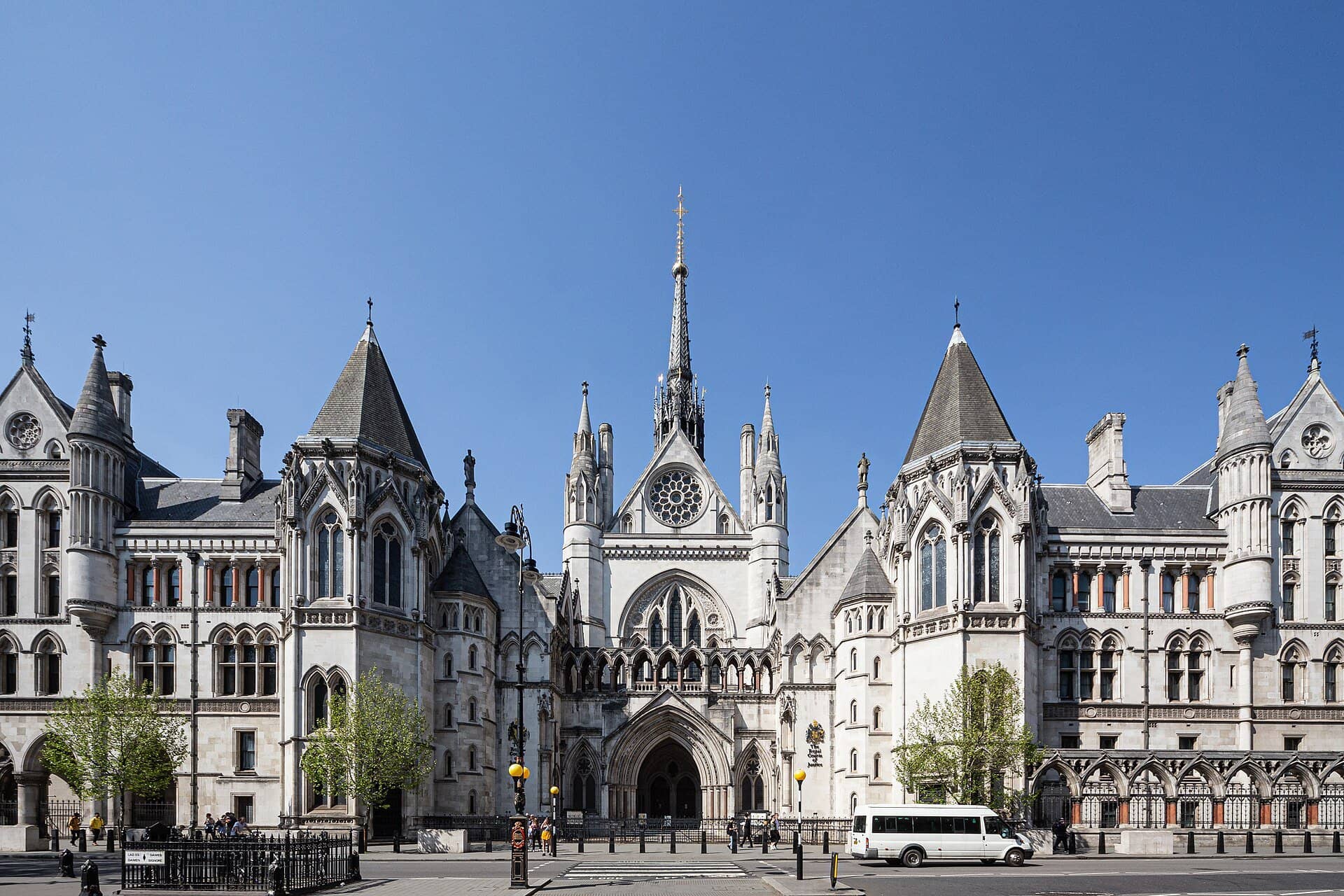

Caracas Orders Legal and Diplomatic Push for London Gold
Venezuela’s acting president, Delcy Rodríguez, has directed the country’s foreign ministry and attorney general to initiate comprehensive legal and diplomatic efforts to recover gold reserves currently held at the Bank of England in London. The directive was issued on Wednesday, 28 October 2026, marking a renewed escalation in Caracas’s long-standing dispute with British authorities over the control of its sovereign assets.
Speaking during a council of vice presidents and ministers at Miraflores Palace, Rodríguez declared that her administration would not cease demanding "our gold." She characterized the continued withholding of the reserves by UK institutions as theft, framing the recovery effort as a matter of national sovereignty and economic necessity. The order signals a shift from passive diplomatic complaints to active, state-coordinated legal maneuvering aimed at reversing the status quo established over the past several years.
Valuation Disputes and Legal Obstacles
A central point of contention in the dispute remains the valuation of the assets. Venezuela asserts that the 31 tonnes of gold stored in London are worth approximately US$4 billion, a figure derived from current market prices exceeding US$4,000 an ounce. This valuation stands in stark contrast to the US$1.95 billion assessment assigned by a UK court in 2022, which has historically influenced the legal parameters of the case.
The government’s confidence in its current position stems from recent developments in the legal landscape. Rodríguez stated that opposition groups had previously initiated court actions to challenge the central bank’s authority over the reserves but have since dropped these cases. The administration interprets this withdrawal as the removal of significant legal obstacles, thereby clearing the path for the gold’s return to Venezuelan control.
However, the legal history of the dispute is complex and deeply intertwined with international recognition of Venezuela’s leadership. UK courts previously ruled in December 2021 that they must accept the UK government’s statement regarding whom it recognizes as the head of state. Furthermore, in June 2023, British courts determined they could not question the board appointed by opposition leader Juan Guaidó, a decision that had effectively placed the gold under the control of entities opposed to the Maduro administration.
Geopolitical Context and US Sanctions
The timing of this renewed push occurs against a backdrop of shifting geopolitical dynamics. Venezuela has been led by acting president Delcy Rodríguez since January 2026, following an order from the US Supreme Court requiring her to serve after US forces captured Nicolás Maduro. This transition in leadership has altered the diplomatic calculus surrounding the gold dispute.
Relations with the United States have also seen recent adjustments. The US Treasury licensed financial services for Venezuela’s central bank on 14 April 2026, a move that signaled a potential thawing of relations. However, the Treasury explicitly stated that this license does not authorize the unblocking of property already sanctioned under measures imposed on 17 April 2019. This distinction leaves the status of the London gold reserves in a legal gray area, dependent on UK rather than US regulatory frameworks.
The UK government has maintained a stance of non-intervention in the underlying legal dispute. On Monday, 7 September 2026, the UK Foreign Office told Parliament that the British government is "not party to the legal case" regarding control of the gold. Officials emphasized that both the courts and the Bank of England operate independently of the government, suggesting that political pressure from London may have limited efficacy in resolving the matter.
Economic Urgency and Humanitarian Claims
Caracas has increasingly framed the recovery of the gold as a humanitarian imperative. A joint communiqué agreed upon on Wednesday, 21 October, repeated to UK institutions the "necessity and urgency" of recovering the reserves. The government cited the need for funds to support people affected by the double earthquake that struck Venezuela on 24 June, arguing that the locked assets are essential for disaster relief and economic stabilization.
As legal teams prepare to file new motions in British courts, the focus will likely remain on reconciling the conflicting valuations of the gold and addressing the jurisdictional questions raised by previous court rulings. With the opposition’s legal challenges withdrawn and a new acting president in place, Venezuela is betting that the political landscape has shifted sufficiently to force a resolution favorable to its interests.