

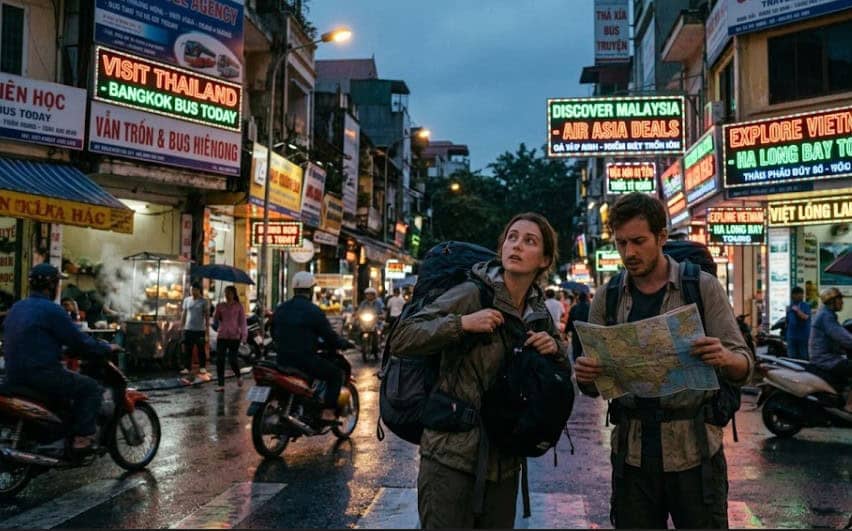

Vietnam Targets $45 Billion in Tourism Revenue Amid Regional Competition
As of late October 2026, Vietnam is aggressively challenging traditional heavyweights Thailand and Malaysia in a fierce battle for international arrivals and tourism revenue within Southeast Asia. Official data from the ministries of tourism across the Association of Southeast Asian Nations (ASEAN) identifies Vietnam, Thailand, and Malaysia as the primary contenders in this ongoing revenue competition.
The Vietnamese government has established specific quantitative targets to capture market share. The Ministry of Culture, Sports and Tourism has officially targeted 25 million international visitors for 2026. In addition to international arrivals, the ministry aims to serve 150 million domestic travelers during the same period.
Financially, Vietnam aims to generate tourism revenue of approximately VND 1.125 quadrillion, which converts to roughly US$45 billion. These figures represent a strategic pivot by the Vietnamese government toward high-yield tourism. The policy focus is on extending the length of stay for visitors and increasing the average daily spend per traveler.
The competition is being driven by strategic policy shifts, aggressive marketing campaigns, and a global resurgence in travel appetite. Governments across the region are adapting to these changes by innovating their visa frameworks. Specifically, Vietnam, Thailand, and Malaysia have introduced long-stay visas and simplified entry procedures to attract the growing demographic of digital nomads and "work from anywhere" professionals.
Malaysia Leads in Arrivals While Vietnam Surges in Search Interest
Despite Vietnam's aggressive targets, Malaysia currently holds a lead in volume. Malaysia reported topping the Southeast Asian charts with over 21 million international arrivals in the first half of 2026. This performance was supported by flexible visa policies and unique promotional campaigns implemented by Malaysian authorities.
Vietnam is closing the gap through digital engagement. According to recent search data trends, Vietnam has surpassed Malaysia to become one of the most-searched Asian destinations by European tourists. This shift in interest coincides with a broader trend where European and North American travelers are increasingly viewing Southeast Asia as a safe, culturally rich, and cost-effective alternative to traditional Western holiday destinations.
Historical Dominance Gives Way to New Contenders
The current competitive landscape marks a shift from decades of established dominance by Thailand and Malaysia. For years, these two nations held undisputed control over Southeast Asian tourism due to distinct advantages. Thailand benefited from established infrastructure and global brand recognition. Malaysia leveraged strategic aviation hubs and diverse cultural offerings to maintain its position.
The rise of the digital nomad culture has prompted all three nations to innovate their visa frameworks with long-stay visas and simplified entry procedures. This structural change in travel requirements has lowered barriers for extended stays, directly supporting the regional goal of increasing average daily spend per visitor.