

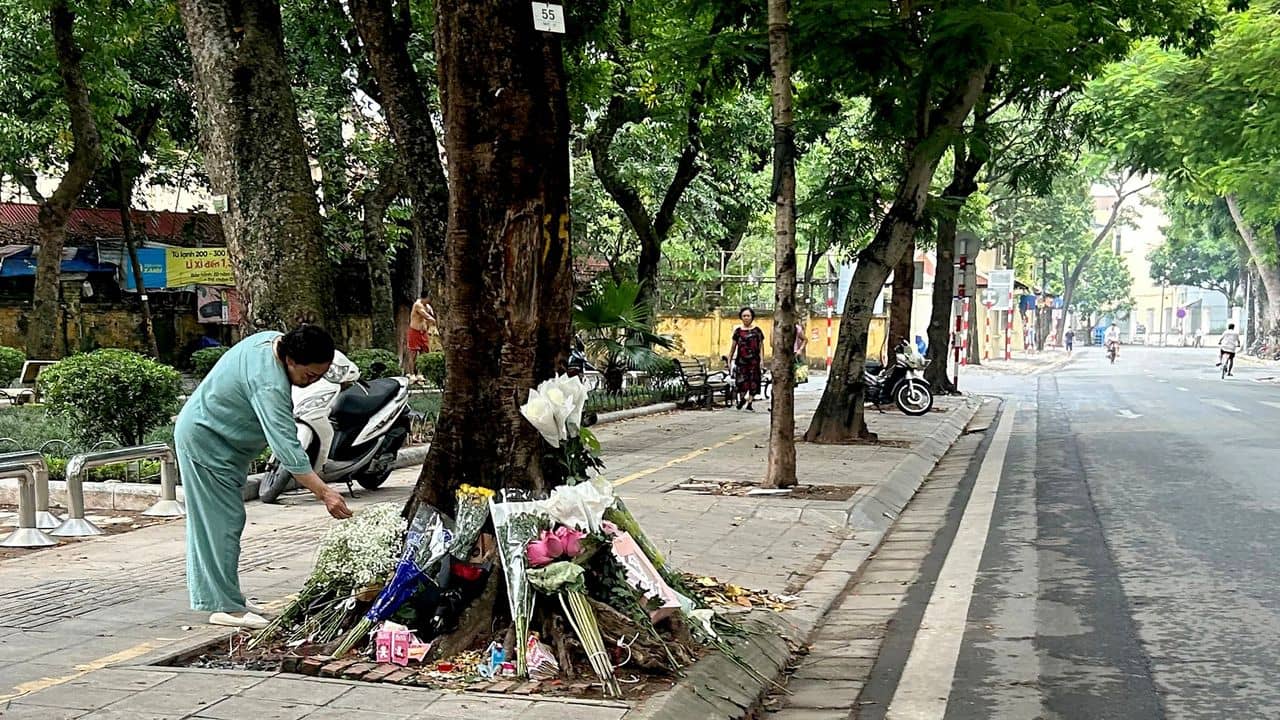

Youth-Led Demonstrations Emerge Over Incident Allegations
Generation Z citizens in Vietnam have initiated a series of protests addressing allegations of a cover-up surrounding the 'Tree 55' incident. The demonstrations represent a significant mobilization of young people who are directing their attention toward issues of transparency and governmental accountability. According to reports, this movement has been characterized as an "extraordinary concession to public pressure," indicating that the scale and nature of the youth engagement have compelled a notable response from authorities.
The protests highlight deep-seated concerns among the younger demographic regarding how the government handles sensitive incidents. Observers note that the 'Tree 55' tragedy has served as a catalyst for this specific wave of civic action, distinguishing it from previous periods of political quietude in the country. The involvement of Gen Z marks a shift in the typical demographics of political expression in Vietnam, where such movements are less common and often tightly regulated.
Reports indicate that the protests are not merely spontaneous gatherings but are organized responses to perceived failures in official communication. Participants are reportedly seeking answers regarding the circumstances of the 'Tree 55' event and the subsequent handling of information by state media and local authorities. The term "cover-up" has been used repeatedly in discussions surrounding these demonstrations, suggesting a widespread belief among protesters that facts were being withheld or manipulated.
Regime Response and Internal Concerns
The Vietnamese ruling regime is reportedly experiencing "deep concerns" due to this unexpected youth movement. The leadership's anxiety stems not only from the protests themselves but from the demographic driving them. Historically, political dissent in Vietnam has often been associated with older generations or specific ethnic minorities; a coordinated push for accountability from Gen Z represents an unforeseen challenge to the state's narrative control.
Analysts suggest that the regime views this movement with particular apprehension because it challenges the established order without a clear, traditional political framework. The "deep concerns" cited in reports reflect an understanding that the government's usual mechanisms for managing dissent may be less effective against a digitally native and socially connected youth population.
Characterizing the Political Shift
The description of the situation as an "extraordinary concession to public pressure" underscores the tension between the state and its citizens. This phrasing implies that the government may be forced to make adjustments or acknowledge grievances it would otherwise ignore. However, the nature of these concessions remains a subject of intense scrutiny.
While the regime expresses concern, there is no immediate evidence of a fundamental policy reversal regarding the 'Tree 55' incident. Instead, the focus appears to be on monitoring the movement and preventing its spread beyond the initial groups involved. The government's response has been characterized by a mix of surveillance and cautious engagement, aiming to quell unrest while avoiding further escalation.
Implications for Accountability Movements
The 'Tree 55' protests have drawn attention from international observers who monitor human rights and political freedom in Southeast Asia. The incident serves as a case study in how digital platforms can facilitate rapid mobilization among young voters and activists.
Protesters argue that accountability is not just about the specific details of 'Tree 55' but about setting a precedent for how future incidents are handled. They contend that without transparency, trust in public institutions erodes. This argument resonates with broader global trends where younger generations demand greater openness from their governments.
Opposition to the government's handling of the situation is vocal online, though physical participation carries risks under Vietnam's strict laws on assembly and speech. The regime has not issued a detailed public rebuttal to the specific allegations of a cover-up, maintaining a stance of official silence on the matter while addressing the broader issue of social stability.
The longevity of this movement remains uncertain. While the initial protests have demonstrated the capacity for Gen Z to organize around political issues, sustaining momentum in the face of potential crackdowns is difficult. Nevertheless, the emergence of this group has forced a conversation about accountability that the government can no longer entirely ignore.