

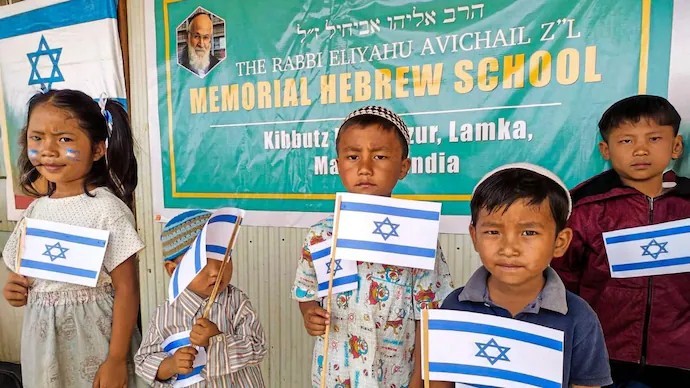

Background on the Bnei Menashe
The Bnei Menashe are a community in India, primarily located in the northeastern states of Manipur and Mizoram. They claim descent from the tribe of Menashe, one of the ten lost tribes of Israel, which were exiled from the Kingdom of Israel in ancient times. The community has maintained a distinct cultural and religious identity, incorporating elements of Judaism into their practices.
Israel's Immigration Plan
The Israeli government has recognized the Bnei Menashe as having a historical and cultural connection to Judaism. This recognition has led to plans to facilitate their immigration to Israel, a process that has been ongoing since the early 2000s. Supporters of this initiative argue that it fulfills a religious and humanitarian duty to reunite these individuals with their Jewish heritage.
Challenges Faced
Despite the support for their immigration, the Bnei Menashe have faced numerous logistical and bureaucratic challenges. The immigration process has slowed in recent years, with only a limited number of community members being allowed to immigrate annually. Factors contributing to these delays include administrative hurdles within the Israeli government and the complexities of verifying the Jewish identity of applicants.
Community Sentiment
The Bnei Menashe community has expressed a strong desire to immigrate to Israel, citing religious and cultural motivations. Many members of the community view immigration as a return to their ancestral homeland and a fulfillment of their spiritual aspirations. The community has organized various campaigns to raise awareness and support for their cause, seeking to expedite the immigration process.
Support and Criticism
Supporters of the immigration plan argue that it is a moral obligation for Israel to assist the Bnei Menashe in returning to their roots. They highlight the historical connection and the community's long-standing desire to embrace their Jewish identity. Conversely, critics have raised concerns about the implications of such immigration policies. They argue that prioritizing certain groups over others could lead to questions regarding the criteria for Jewish identity and the treatment of other groups seeking to immigrate to Israel.
Broader Implications
The situation of the Bnei Menashe reflects broader themes in Israeli immigration policy, particularly regarding the definition of Jewish identity and the concept of the Jewish diaspora. The Israeli Law of Return grants Jews worldwide the right to immigrate to Israel, but the interpretation of who qualifies as a Jew can vary. This has led to debates about inclusivity and the criteria used to determine eligibility for immigration.
Previous Immigration Waves
Israel has previously allowed the immigration of thousands of Bnei Menashe, particularly in the early 2000s, when a significant number were brought to Israel. This initial wave was met with enthusiasm from both the Israeli government and the Jewish community, as it was seen as a reunion of lost tribes. However, the subsequent slowdown in immigration has raised questions about the future of the remaining members of the community in India.
Current Status
As of now, the Israeli government continues to evaluate the situation of the Bnei Menashe. Efforts are being made to streamline the immigration process, but challenges remain. The community's representatives are actively engaging with Israeli officials to advocate for their rights and to seek a resolution that would allow for more members to immigrate. The ongoing discussions reflect the complexities of identity, heritage, and the role of Israel as a homeland for Jews worldwide.