

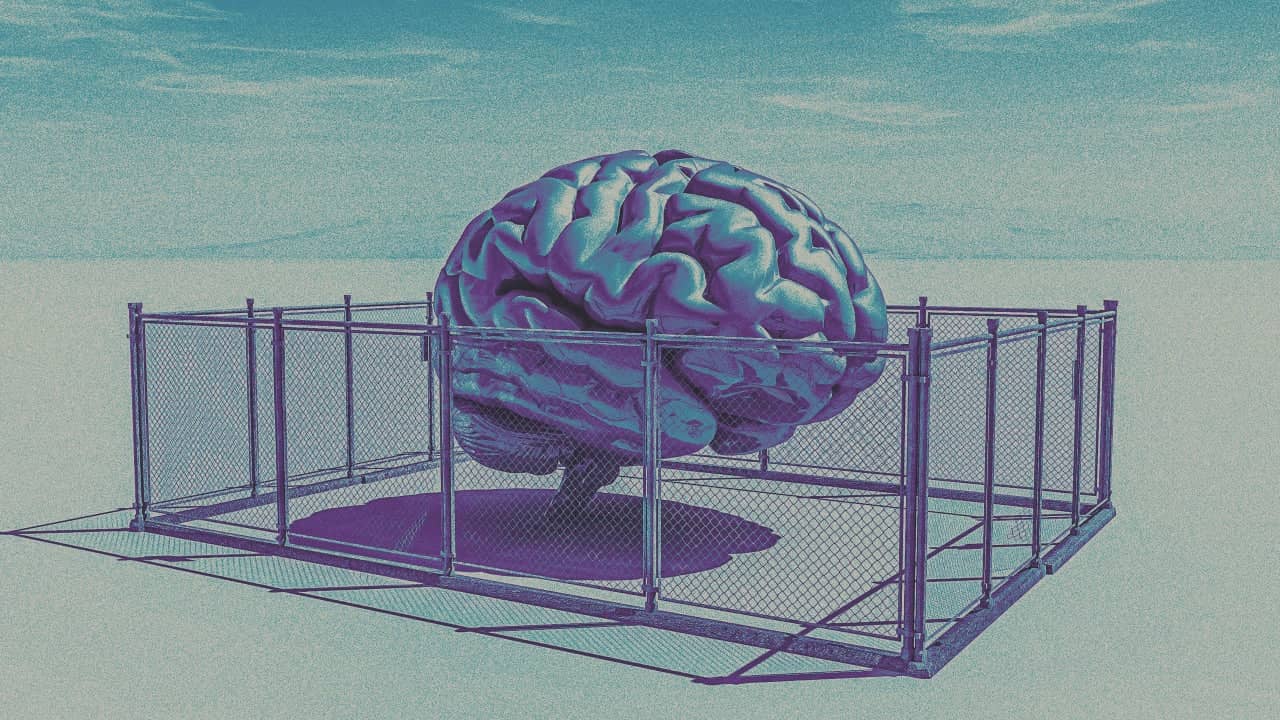


The Double-Edged Nature of Cognitive Ability
Intelligence serves as an asset in many professional and personal contexts. It provides tools for analysis, calculation, and strategic planning. However, research suggests that this same intelligence can also function as a trap. The mechanism behind these poor decisions often involves thinking very hard—in the wrong direction—with total conviction while lacking anyone around willing to interrupt.
Individuals become adept at justifying irrational choices over time. As cognitive ability increases, so does the capacity for making convincing arguments regarding what one already wanted to believe. This dynamic can lead to outcomes where great companies sink or good marriages end based on decisions derived from intense but misdirected mental effort.
Theoretical physicist Richard Feynman offered a perspective relevant to this phenomenon. He once stated, "The first principle is that you must not fool yourself and you are the easiest person to fool." In his own writings, he noted, "I'm smart enough to know that I'm dumb."
Feynman observed brilliant colleagues engaging in a specific behavior: they would talk themselves into nonsense using perfectly logical steps. This observation highlights how reasoning processes can be hijacked when the goal is not truth-seeking but rather validation of an initial conclusion.
Training Systems and the Neglect of Doubt
The practical problem identified in reports concerns how human reasoning has been trained for decades to prioritize being right at all costs. Educational systems and institutions often reward students for building better arguments, defending their positions vigorously, and winning debates.
In these environments, there is a distinct lack of recognition for the act of noticing one might be wrong. The curriculum typically focuses on constructing defenses rather than identifying vulnerabilities in one's own logic or data.
Consequently, by the time an individual achieves brilliance within their field, they have spent years getting really good at justification and almost no time at all getting good at doubt. This imbalance creates a specific skill set where defense mechanisms are highly developed while skepticism toward self is underdeveloped.
Motivated Reasoning as a Psychological Phenomenon
Psychologists utilize the term "motivated reasoning" to describe this psychological phenomenon. Studies indicate that individuals with high cognitive ability exhibit strong biases when faced with ideas that challenge their politics, identity, or ego.
The application of intelligence in these scenarios is not directed toward finding cracks or flaws in a hypothesis. Instead, it goes to work building a wall around the conclusion they have already reached. The brain acts as a highly paid lawyer defending a guilty client rather than an impartial judge seeking justice.
Consequences for Financial and Personal Decisions
This dynamic has tangible consequences in high-stakes environments such as finance and business management. When a smart person decides that a specific stock is a sure bet or determines that a particular business plan will work, their intelligence does not search for weaknesses.
Instead, the intelligent brain utilizes its tools of logic to serve an underlying emotion at all costs. This process can lead to decisions such as buying overpriced assets or investing in terrible ideas. The logical framework is used exclusively to support a pre-determined conclusion driven by emotional desire.
The Emergence of Domain-Specific Blindness
This phenomenon results in what researchers describe as domain-specific blindness. Smart minds fail to see flaws in areas that challenge their beliefs or ego. The ability to reason logically remains intact, but the application is restricted strictly to protecting existing viewpoints.
Historical Perspectives on Self-Deception
The issue of self-deception has been noted by experts who have studied human cognition at a high level. Richard Feynman's work and observations provide historical context for understanding why intelligent individuals often choose poorly despite their analytical capabilities.
Feynman watched brilliant colleagues talk themselves into nonsense with perfectly logical steps, illustrating that the tools of intelligence are neutral; they can be used to find truth or to construct a convincing case against it. The distinction lies in whether the individual has trained themselves to value doubt over certainty.