


Public discourse regarding international relations frequently centers on quantifiable metrics. Relationships between nations are often assessed through specific economic indicators such as trade figures. Diplomatic engagement is similarly tracked via the frequency of high-level visits. Formal agreements serve as tangible markers of statecraft in this traditional view.
Despite these measurable components, a different perspective suggests that quantitative data does not capture the full essence of international partnership. The strongest relationships are built by people who understand trust, conversation and commitment. This distinction highlights a qualitative difference between mere coexistence or transactional exchange versus deep engagement.
The Foundation of Personal Commitment
Deep connections in foreign policy are not solely the result of bureaucratic maneuvering or economic necessity. These deeper connections are fostered by individuals who understand the importance of trust, conversation and commitment. The presence of dedicated actors on both sides of a border can transform abstract diplomatic goals into concrete realities.
The Role of Individual Advocacy
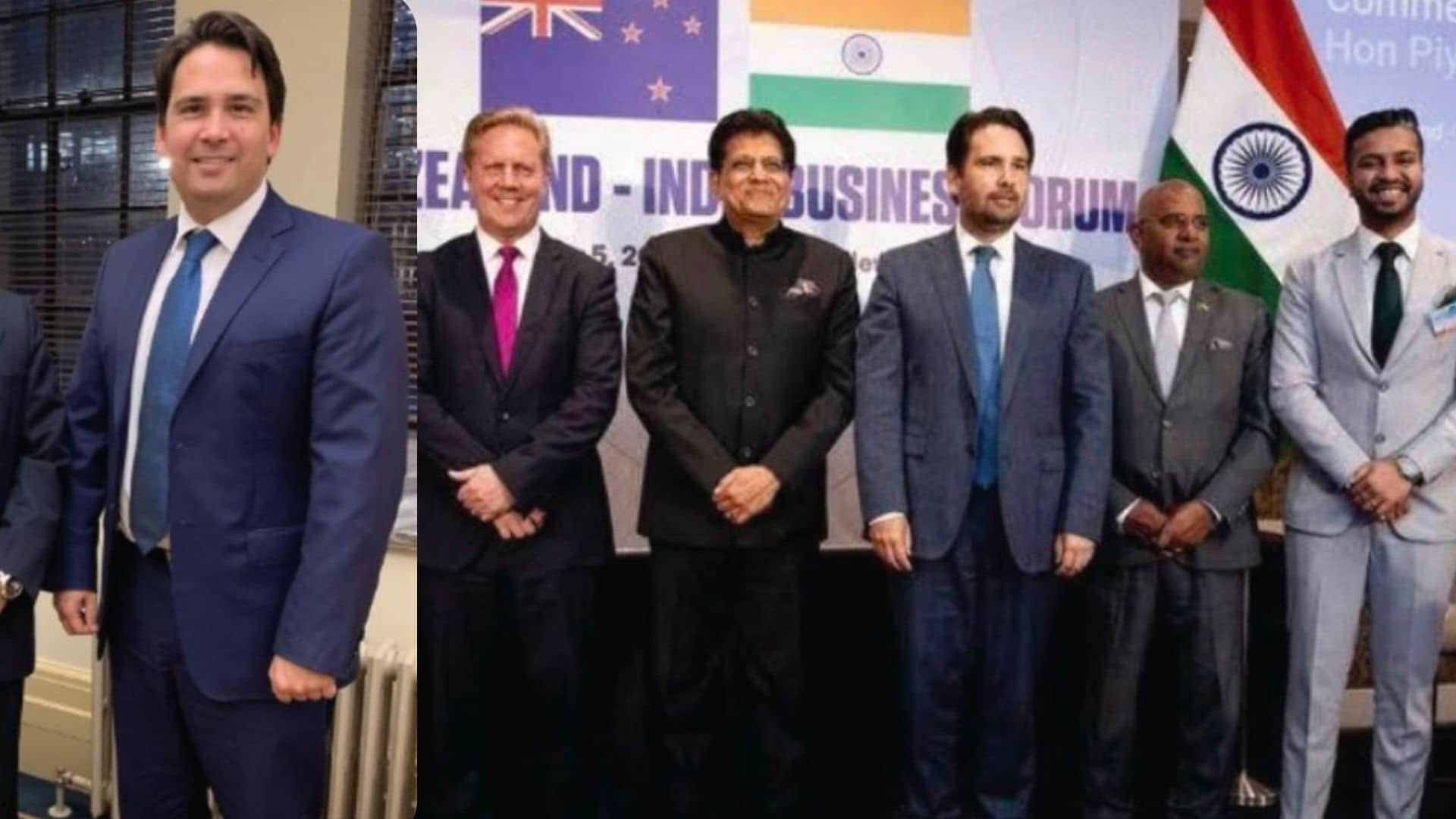
Throughout his career in public life and business, Bridges has been a consistent advocate for a closer relationship between New Zealand and India. His trajectory illustrates how individual agency operates within the broader framework of international relations. The consistency of this advocacy suggests that personal dedication can sustain diplomatic efforts over time.
This approach contrasts with views that prioritize short-term gains or immediate economic returns as the primary drivers of foreign policy success. Instead, it posits that long-term stability requires a foundation laid by individuals willing to invest in dialogue and mutual understanding.
Measuring Success Beyond Trade Statistics
The prevailing method for evaluating international relations relies heavily on trade figures. Diplomatic visits are counted as significant events when they occur between heads of state or ministers. Agreements signed during these periods are often cited as evidence of progress in bilateral ties.
Limitations of Quantitative Metrics
Yet strongest relationships are built by people who understand trust, conversation & commitment. This assertion challenges the notion that a trade deficit or surplus defines the health of an alliance. It also questions whether the number of diplomatic visits correlates directly with the depth of understanding between two populations.
The source material indicates that while these metrics provide a baseline for assessment, they do not constitute the entirety of international partnership strength. The emphasis on human interaction suggests that policy outcomes are heavily influenced by interpersonal dynamics at all levels of government and civil society.
Building Partnerships Through Human Connection
The concept that strong partnerships rely on people rather than just protocols implies a shift in how nations should approach diplomacy. Trust is presented as a necessary component, distinct from formal agreements which can be signed without underlying mutual confidence.
- Trust forms the basis of open communication channels between governments and citizens.
- Conversation facilitates the exchange of ideas that might otherwise remain unspoken in official settings.
- Commitment ensures that these exchanges lead to sustained action rather than temporary gestures.
These elements combine to create an environment where cooperation can flourish even when economic conditions fluctuate. The focus on individuals suggests that diplomacy is not merely a top-down process but one that requires bottom-up engagement from various sectors of society.
Sustaining Long-Term Engagement
The advocacy for closer ties between New Zealand and India by Bridges demonstrates how personal commitment can influence national policy. Such efforts require patience, as the development of trust takes time to mature into robust partnerships.
Open dialogue serves as a mechanism for resolving misunderstandings before they escalate into diplomatic incidents. When individuals prioritize conversation over confrontation, the potential for conflict decreases significantly in international contexts.
The Interplay Between Policy and People
National ties rely on trade and diplomacy, but true strength comes from mutual trust, open dialogue, and personal commitment. This statement encapsulates a holistic view of foreign relations that balances structural necessities with human elements.
Trade figures provide the economic framework for interaction between nations. Diplomatic visits create opportunities to discuss policy differences in person. Agreements formalize these discussions into binding commitments.
The Human Element as Catalyst
However, without trust and commitment, these structural elements may lack resilience. People who understand the nuances of cross-cultural communication can bridge gaps that statistics alone cannot address. Their ability to foster conversation ensures that negotiations proceed with clarity rather than ambiguity.
Conclusion on Structural vs Relational ApproachesThe article concludes by reiterating that while nations are often measured in trade figures, diplomatic visits & agreements, the strongest relationships are built by people who understand trust, conversation & commitment. This distinction remains central to understanding modern diplomacy where human factors increasingly influence geopolitical outcomes.