


Legislative Results Mark Shift in Parliamentary Composition
The National Assembly of São Tomé and Príncipe will include 19 women among its 55 members following the conclusion of the 2026 legislative elections, according to Mwebantu. This figure represents a substantial increase from the eight women who served in the previous legislature.
The proportion of seats occupied by women has risen from 14.5% to 34.5%, reflecting the outcome of the country's most recent electoral cycle. The results mark the first application of a legal framework established in 2022 designed to enforce gender parity in political candidacy.
Implementation of 2022 Parity Law
The increase in female representation stems from a sovereign decision adopted in 2022: a law on parity. This legislation mandates a minimum representation of 40% for each sex on candidate lists and establishes specific positioning rules for those candidates.
The 2026 legislative vote served as the first test of this new framework in a national election. National institutions played a central role in its enforcement. The "Comissão de Seguimento da Lei da Paridade" examined candidate lists prior to validation, encouraging necessary adjustments to ensure compliance with the parity requirements.
Electoral and jurisdictional authorities, political parties, civil society organizations, and women involved in public life contributed to bringing the law into effect during the electoral process.
Training and Advocacy Efforts
During the electoral cycle, 72 women from seven political parties across five districts received training focused on political communication, negotiation, and preventing violence against women in politics.
A network comprising more than 105 individuals, including parliamentarians, party stakeholders, and journalists, conducted public advocacy for parity. Additionally, exchanges with parliamentarians from Cape Verde provided opportunities for sharing experience and mentoring among participants.
Profile of Elected Officials
Of the 19 women elected to the National Assembly, 16 had not previously held an elective mandate. This indicates a significant entry of new legislators into the parliament.
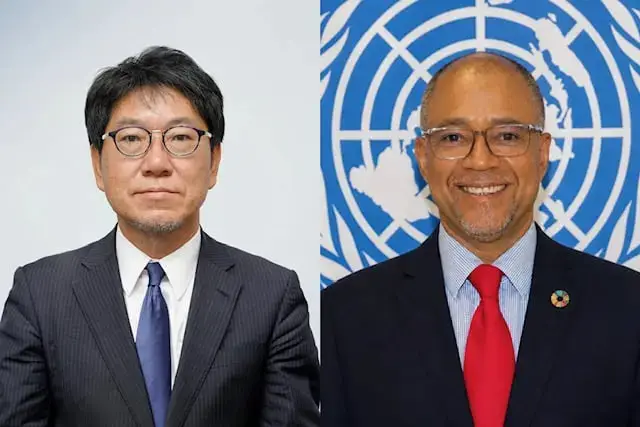
The United Nations Development Program (UNDP) supported national institutions and stakeholders during the 2026 electoral cycle. This support was funded through financial contributions from the Government of Japan and internal resources.