

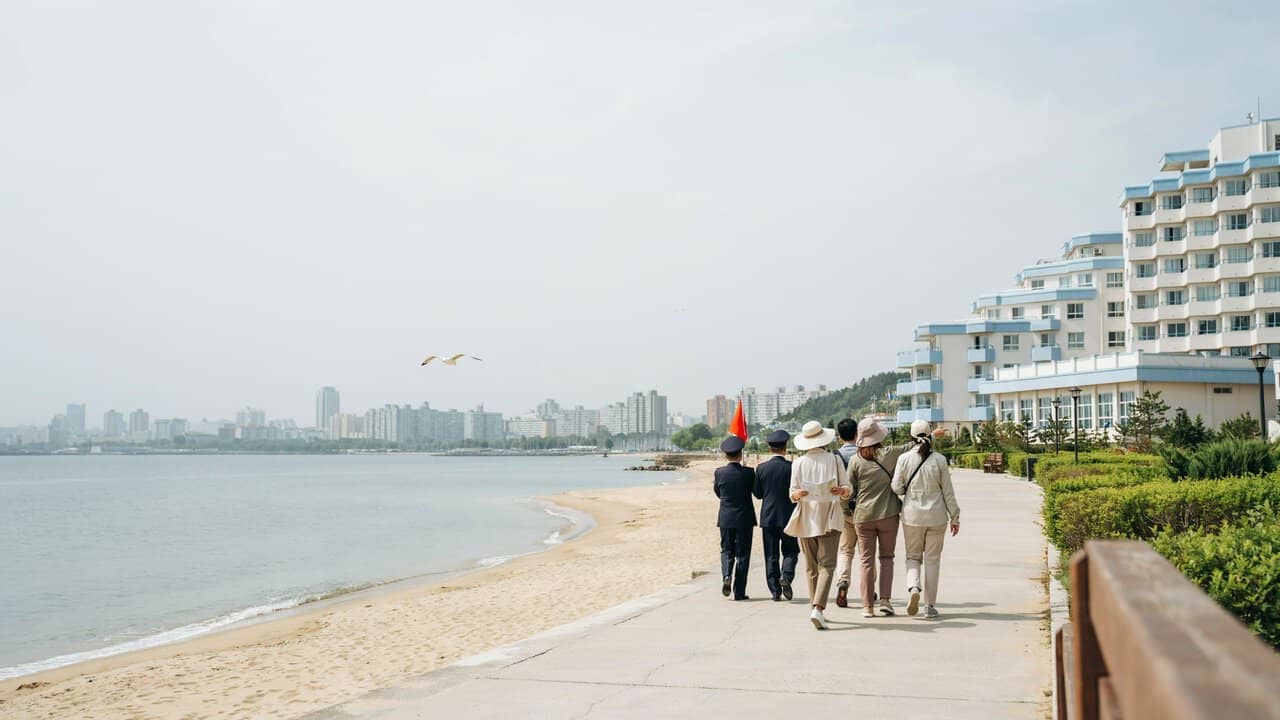

Wonsan Kalma Project Aims to Redefine National Image
North Korea has launched an ambitious tourism strategy focused on the development of new resort facilities and carefully managed experiences for foreign visitors. At the center of this initiative is the Wonsan Kalma Coastal Tourist Zone, a large resort complex located on the country’s east coast. According to reports, the project is designed to showcase North Korea as a modern holiday destination.
The development reflects a broader ambition to expand the nation's tourism sector while presenting specific images of leisure infrastructure and economic development to an international audience. The Wonsan Kalma resort represents a significant component of this effort, intended to highlight upgraded leisure facilities and controlled access to the country’s coastal regions.
Strategic Focus on Managed Experiences
The tourism push involves not only physical infrastructure but also the curation of experiences for tourists. The strategy emphasizes carefully managed interactions, aiming to present a selective view of daily life and development within the Democratic People's Republic of Korea (DPRK). This approach is intended to align with the government’s goal of expanding its international profile through tourism.
However, turning this vision into a viable international tourism industry has proven difficult. The gap between the projected image of modernity and the logistical reality of visiting the country remains wide. While the Wonsan Kalma project seeks to offer a glimpse of development, the broader framework governing foreign travel continues to impose strict limitations.
Geopolitical Tensions and Travel Restrictions Block Growth
Despite the investment in new resorts, North Korea’s tourism drive faces significant challenges in attracting international visitors. The primary obstacles include strict travel controls, limited access to various parts of the country, and a political environment that continues to negatively impact foreign travel.
The broader geopolitical context plays a decisive role in the viability of these tourism projects. International relations and sanctions have created an environment where travel to North Korea is heavily scrutinized and restricted by foreign governments. These factors collectively hinder the growth of the industry, regardless of the amenities provided at sites like Wonsan Kalma.
International Advisories Deter Potential Tourists
Government advisories from major Western nations reflect the severity of concerns regarding travel to North Korea. The United Kingdom currently advises against all but essential travel to the country. This advisory indicates that the UK government does not consider routine tourism to be safe or advisable under current conditions.
Similarly, the United States maintains a Level 4 "Do Not Travel" advisory for North Korea. This is the highest level of travel warning, indicating that the U.S. government considers all travel to the country to involve increased risk. These official positions from major global powers serve as significant deterrents to international tourists who might otherwise consider visiting the Wonsan Kalma resort or other developed zones.
The combination of these high-level warnings and the strict internal controls imposed by the North Korean government creates a barrier that new infrastructure alone cannot overcome. While the Wonsan Kalma Coastal Tourist Zone is designed to present a welcoming facade, the external political reality remains unchanged.
Challenges in Achieving International Appeal
The struggle for international appeal highlights the disconnect between North Korea’s domestic promotional efforts and the global perception of the country. The Wonsan Kalma project aims to demonstrate progress in leisure and infrastructure, yet it operates within a framework that isolates the nation from the mainstream global tourism market.
Access to the country remains highly restricted for foreigners. Visitors are subject to rigorous oversight and limited mobility, which contrasts with the open-access model typical of international holiday destinations. This limitation is inherent to the state’s approach to managing foreign presence and cannot be altered by resort development alone.
Consequently, the tourism push faces a reality check. The ambition to present North Korea as a modern holiday destination clashes with the persistent geopolitical tensions that define its relationship with the rest of the world. Until these broader political issues are resolved, the Wonsan Kalma Coastal Tourist Zone and similar projects will likely remain niche attractions rather than becoming central pillars of a robust international tourism industry.