

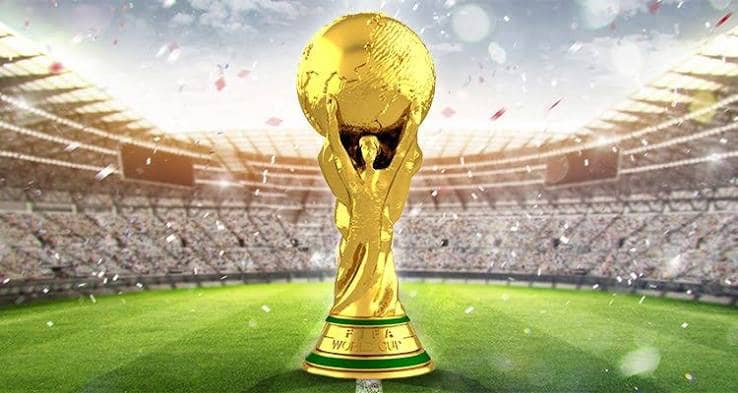

Former Catholic pontiff Pope John Paul II once stated: “Among all unimportant subjects, football is by far the most important”. This profound observation captures the essence of football's unparalleled global appeal, a sport that transcends mere athletic competition to become a cultural phenomenon. Without any doubt, football functions as a global crowd puller, uniting diverse populations in shared passion and excitement. The game’s most amazing spectacle, and indeed its pinnacle, remains the FIFA World Cup.
The competition has continued to grow in leaps and bounds since its inception. Uruguay hosted the first edition of the World Cup in 1930 during the era of revered FIFA President Jules Rimet. That inaugural tournament featured a modest thirteen-team format, a stark contrast to its modern iteration. Since that initial tournament, the event has expanded significantly, reflecting football's burgeoning global footprint and FIFA's strategic vision for the sport's development.
Today, the World Cup commands a global television audience exceeding one billion viewers, a testament to its immense popularity and universal resonance. This massive reach underscores the sport's status as a primary subject of international interest and media consumption across numerous nations, making it one of the most watched events on the planet.
Mounting Concerns Over the 2026 Tournament's Direction
Sadly, however, many experts are of the view that the 2026 edition was not really a good advertisement for the game, despite the sport's inherent global appeal. These individuals argue that several factors contributed to this perception among observers following the conclusion of the event, raising significant questions about the tournament's future trajectory and its adherence to traditional sporting values.
- Over-expanded format structure
- Excessive commercialization efforts
- Logistical confusion reported by participants and officials
- Creeping political influence over administrative decisions
The cumulative effect of these issues has led some experts to suggest that the 2026 World Cup might actually be the worst in history. This assessment reflects deep-seated concerns raised immediately after the tournament concluded, regarding how various aspects of its organization and execution affected the overall viewer and participant experience.
Format Expansion: Ambition Versus Practicality
The most obvious structural change to the 2026 Mundial was its expansion from thirty-two teams to forty-eight—the largest in history according to available records. This significant structural modification represented a substantial departure from previous tournament configurations established over decades of competition, marking a new era for the global showpiece.
FIFA stated that this expansion was designed for development purposes regarding the sport itself. The governing body intended to utilize these additional slots as part of broader strategies aimed at growing participation and competitive opportunities worldwide. The goal was to provide more nations with the chance to compete on football's grandest stage, theoretically fostering greater global engagement and talent development. However, critics questioned whether such an extensive expansion might dilute the quality of play or extend the tournament duration to an unmanageable degree.
Commercial Pressures and Operational Challenges
The tournament faced considerable scrutiny over excessive commercial elements introduced during its planning phases and execution. Critics noted that these measures, which included extensive sponsorship activations and branding initiatives, may have overshadowed traditional sporting values associated with the event's historical identity. Concerns were raised that the pursuit of commercial revenue was beginning to take precedence over the purity of the competition and the fan experience.
Alongside commercialization, persistent reports highlighted logistical confusion affecting various operational areas throughout the competition period. These issues reportedly impacted everything from team travel and accommodation arrangements to spectator movement and venue management. Such challenges emerged despite extensive preparations undertaken by organizing committees leading up to the scheduled matches, indicating the inherent difficulties in managing an event of this unprecedented scale and complexity.
Political Influence and Governance Scrutiny
Another significant area of concern was the political influence described as creeping into administrative processes. Independent observers monitoring governance standards within international sports organizations drew attention to these developments during this timeframe. Such influence can manifest in various forms, including decisions related to host city selection, infrastructure development, and even the formulation of tournament rules. Critics argued that this growing political involvement could compromise the integrity and independence of the sport's governing body, potentially leading to decisions that serve external interests rather than the best interests of football.