


A Platform Beyond the Sport
The upcoming FIFA World Cup 2026 is characterized not merely as a sporting event, but as a complex platform for cultural exchange, political discourse, and global unity. According to reports, the tournament transcends the boundaries of athletics to become a mirror reflecting the unique identities of communities worldwide. While football carries an unbroken lineage of memories, culture, hope, and aspirations for its people, it has largely been ignored in conventional historical narratives.
This year’s tournament offers a distinct opportunity to reflect on and learn about the world through the medium of the game. The event provides a lens through which geopolitical dynamics, colonial struggles, and national histories can be examined. As the ball rolls across pitches in North America, the competition serves as a global bridge, fostering connections between fans across nations and breaking down barriers through shared passion.
Soft Power and Historical Transformation
Host nations utilize the World Cup to reshape international perceptions, leveraging the tournament for significant soft power advantages. Historical examples cited in analyses of previous tournaments highlight this strategic use of football. Qatar’s cultural transformation and South Africa’s post-apartheid rise are noted as key instances where host countries have used the global spotlight to alter their standing on the world stage.
The tournament also highlights tensions between globalization and local identity. While football reflects the unique identity of communities, observers note that globalization and standardized coaching standards are diluting traditional playing styles. Despite this homogenization of technique, the sport remains a vessel for national history and cultural expression, carrying the weight of collective memory even as its methods evolve.
Fan-Driven Unity and Cultural Exchange
Supporters create moments of camaraderie that transcend borders, illustrating the unifying power of the event. These interactions are often defined by specific cultural expressions and cross-cultural friendships. Examples include Scottish bagpipe anthems performed at matches and documented friendships between fans from different nations, such as those between South Korean and Mexican supporters.
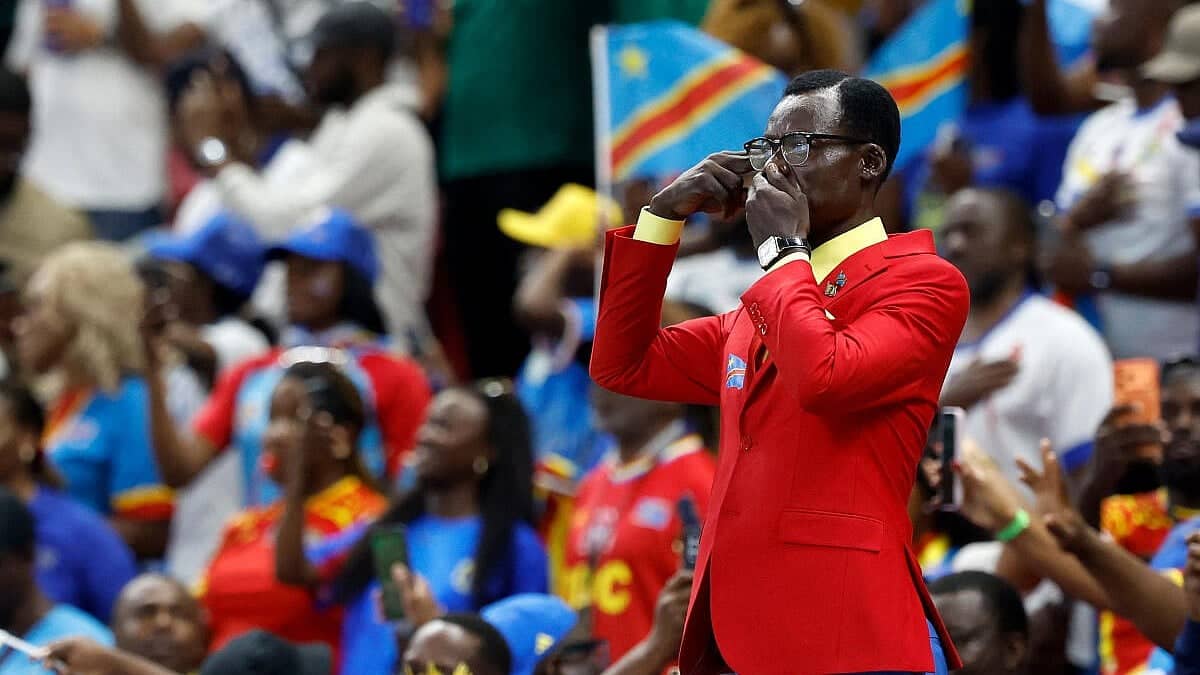
The scale of fan engagement is evident in the digital footprint of attendees. Statistics indicate that a single superfan from Congo amassed 16.5 million Instagram followers, highlighting the massive digital reach of individual supporters during the tournament. The event fosters lasting memories beyond the action on the pitch, with fans creating connections that persist long after the final whistle.
The Intersection of History and Modern Football
Football’s role in political discourse is increasingly visible during major tournaments. The sport serves as a platform for discussing geopolitical issues, allowing nations to project their narratives to a global audience. This dynamic was particularly evident in South Africa’s post-apartheid rise, where the sport helped redefine the nation's identity on the international stage.
Similarly, Qatar’s cultural transformation during its tenure as host demonstrated how a nation can use the World Cup to showcase changes in its social and cultural landscape. These examples underscore the tournament's capacity to influence public perception and facilitate dialogue about national histories and struggles.
Global Unity Amidst Controversy
The FIFA World Cup 2026 is anticipated to foster global unity amid controversies that often accompany such large-scale events. The tournament continues to serve as a space where cultural exchange occurs alongside political discourse. As fans from diverse backgrounds gather, the shared passion for football creates a temporary but powerful sense of global community.
The event reflects the unique identity of communities while simultaneously challenging them to adapt to standardized global norms. This duality defines the modern World Cup experience, balancing the preservation of cultural heritage with the pressures of international competition and visibility.