

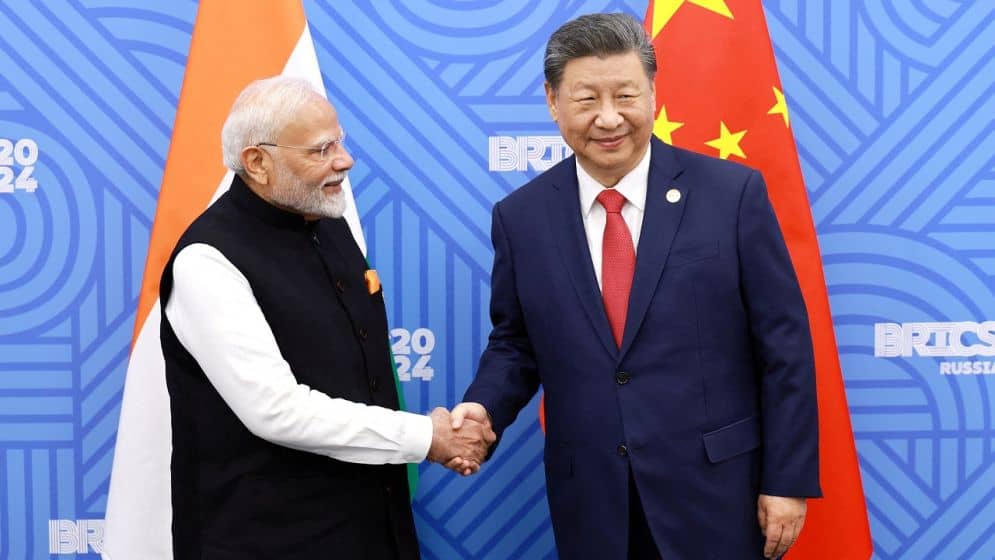

Xi Jinping's Return to India for BRICS
Chinese President Xi Jinping is expected to travel to India next month to attend the BRICS summit, according to three sources cited by the Daily Sun. This upcoming trip would mark the first time the Chinese leader has visited India in seven years, making it a highly anticipated diplomatic event. The visit is scheduled to take place in New Delhi, where the group of major emerging economies will hold its annual gathering.
The attendance of President Xi represents a notable diplomatic milestone, given the extended duration of his absence from Indian soil. His presence at the summit indicates continued engagement between Beijing and New Delhi within the framework of the BRICS alliance. This influential bloc comprises Brazil, Russia, India, China, and South Africa, and has recently expanded to include other new members, underscoring its growing global significance as a platform for South-South cooperation and multilateral dialogue.
A Substantial Chinese Delegation Expected
Reports indicate that President Xi will be accompanied by a large delegation during this visit. The sheer size of the entourage suggests a significant logistical operation and high-level representation from various Chinese government departments. While the specific composition of the delegation has not been detailed in available reports, the characterization as "large" implies broad participation across multiple sectors of state administration, potentially including key ministers, senior economic advisors, security officials, and even representatives from state-owned enterprises.
Such a comprehensive delegation typically signals a desire for wide-ranging discussions and engagements beyond the primary summit agenda. It allows for parallel bilateral meetings on economic cooperation, trade, investment, and other strategic areas, reflecting the multifaceted nature of China's diplomatic approach to major international forums.
Logistical Demands on the Host City
The presence of a large delegation, accompanying a head of state, invariably involves extensive coordination for security, protocol, accommodation, and diplomatic meetings. Host nations often prepare elaborate arrangements to comfortably and securely accommodate heads of state and their accompanying officials during international summits. For New Delhi, this means meticulous planning for transportation routes, dedicated communication channels, and secure lodging for hundreds of delegates. The scale of the Chinese contingent further underscores the importance Beijing places on this particular BRICS gathering, signaling its commitment to the bloc and its host nation.
Sino-Indian Ties Amidst a Diplomatic Hiatus
The anticipated visit breaks a seven-year gap in high-level visits by the Chinese President to India. This extended period has seen various fluctuations in bilateral relations between the two Asian powers, which share a long and often disputed border. The last visit by Xi Jinping to India occurred prior to this seven-year window, making the current schedule particularly significant for observers of Sino-Indian diplomatic ties. The hiatus has been marked by periods of both cooperation and heightened tension, especially concerning border issues and regional influence.
The absence of direct presidential engagement for such a prolonged period has often been a point of discussion among analysts. This upcoming meeting, therefore, offers a crucial opportunity for direct communication at the highest level, potentially helping to de-escalate tensions and foster a more stable working relationship between the two nuclear-armed neighbors.
BRICS as a Forum for Engagement
The BRICS summit serves as a primary platform for dialogue among member nations, offering a structured environment for leaders to convene. By attending the summit in New Delhi, President Xi engages directly with Indian leadership, including Prime Minister Narendra Modi, and other global counterparts from the BRICS member states. This multilateral setting provides a unique opportunity for high-level exchanges that might be more challenging to arrange on a purely bilateral basis. The choice of venue in India highlights the rotating nature of BRICS chairmanship and the strategic importance of host nation duties within the bloc, granting India a central role in shaping the summit's agenda and facilitating these critical interactions.
Regional Implications and Summit Preparations
The visit occurs against the backdrop of ongoing geopolitical interactions and strategic competition in South Asia and the broader Indo-Pacific region. While the primary focus of the visit will be on the multilateral BRICS agenda, bilateral discussions between President Xi and Indian leaders are highly likely to be a significant part of the itinerary. These potential bilateral talks could cover a range of subjects, from economic cooperation to regional security concerns and border management. The seven-year interval since the previous visit strongly suggests that this meeting may serve as a vital mechanism for maintaining and potentially strengthening diplomatic channels between the two neighbors, allowing for direct communication on sensitive issues.
New Delhi's Comprehensive Security Arrangements
New Delhi is expected to implement comprehensive security measures for the summit, reflecting the high-profile nature of the event and the presence of numerous heads of state and their delegations. The arrival of a head of state with a large entourage requires coordinated efforts among various agencies, including local law enforcement, national intelligence agencies, and international security teams. These preparations typically involve establishing secure zones, managing traffic flow, deploying paramilitary forces, and ensuring robust surveillance. Such extensive security and protocol arrangements are standard procedure for high-profile international events hosted in India, ensuring the safety and smooth conduct of the summit proceedings for all participants.